
Introduction
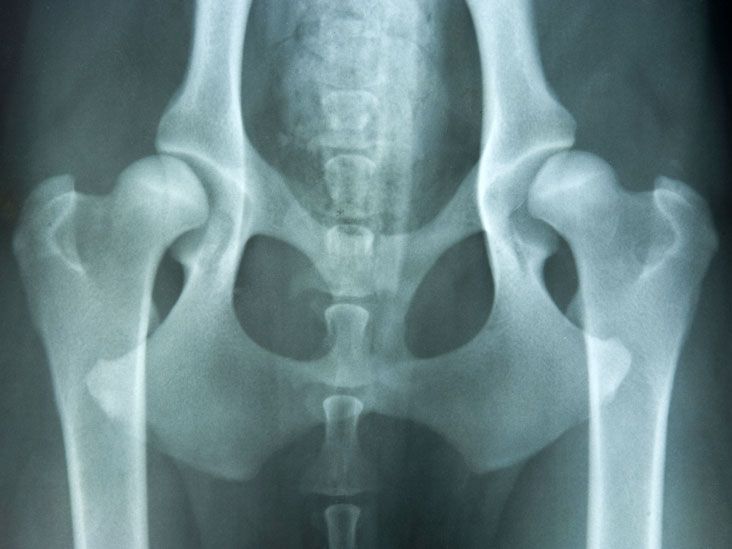
Developmental Dysplasia of the Hip (DDH) is one of the most common pediatric orthopedic conditions. Early diagnosis is crucial, as timely treatment helps prevent long-term complications such as gait abnormalities and early osteoarthritis. A structured approach to assessment and rehabilitation is essential for optimal outcomes.
Definition
The condition is formerly known as congenital dislocation of the hip. It comprises a spectrum of disorders: acetabular dysplasia without displacement, instability, and feratological forms of malarticulation.
Epidemiology
The reported incidence of neonatal hip instability is 5-20 per 1000 live births; most of the hips stabilize spontaneously, and the incidence of re-stabilization is only 1 or 2 per 1000 infants. Girls are much more affected than boys, the ratio being about 7:1. The left hip is often affected than the right; in 1 in 5 cases, the condition is bilateral.
Etiology
- Genetic Factors: Positive family history increases the likelihood of DDH.
- Mechanical Factors: Breech presentation, oligohydramnios, and first-born infants have a higher risk due to intrauterine positioning.
- Hormonal Influence: Maternal relaxin may increase ligamentous laxity in newborns.
- Postnatal Factors: Improper swaddling with hips extended and adducted can contribute to hip instability.
Clinical Features
- Limited Hip Abduction: Frequently noticed during diaper changes.
- Asymmetrical Skin Folds: Uneven thigh or gluteal folds may indicate hip dysplasia.
- Positive Special Tests: Barlow and Ortolani tests may reveal instability in infants.
- Leg Length Discrepancy: Apparent shortening of the affected limb.
- Abnormal Gait: Older children may show limping, toe-walking, or Trendelenburg gait.

Physiotherapy Management
First 6 weeks as ‘suspect’ and to nurse them double napkin or an abduction pillow. At that stage, they are re-examined: those with stable hips are left free but kept under observation for at least 6 months.
Those are persistent instabilities are treated by more formal abduction splintage until the hip is stable and x-ray shows that the acetabular roof is developing satisfactorily (usually 3-6 months).
Splintage is to hold the hips somewhat flexed and abducted: extreme positions are avoided, and movements are allowed in the splint. Von Rosen’s splints are easy to apply with across cross-bar holding the hips in 90 degrees of flexion and 45 degrees of abduction, or 10 degrees more than the angle at which the ‘jerk of entry’is felt.
Persistent dislocation 6-18 months, if the child presents late with missed dislocation the hip must be reduced preferably by closed methods, but if necessary by operation, and held reduced until acetabular development is satisfactory. Even after surgery, physiotherapeutic treatment is needed to recover.
Conclusion
Developmental Dysplasia of the Hip is a treatable condition when identified early. A multidisciplinary approach—combining timely diagnosis, medical intervention, and physiotherapy—ensures optimal hip development and prevents long-term disability. Awareness among parents and healthcare providers is key to early recognition and management.
What is Developmental Dysplasia of the Hip (DDH)?
Answer: DDH is a pediatric condition where the hip joint is improperly developed, ranging from mild acetabular dysplasia to complete hip instability or dislocation.
What are common clinical features of DDH?
Answer: Key features include limited hip abduction, asymmetrical skin folds, positive Barlow/Ortolani tests, leg length discrepancy, and abnormal gait such as limping or toe-walking.
How is DDH managed in physiotherapy?
Answer: Management includes early use of abduction pillows or splints, monitoring hip stability, guiding proper positioning, and rehabilitation after reduction or surgery