
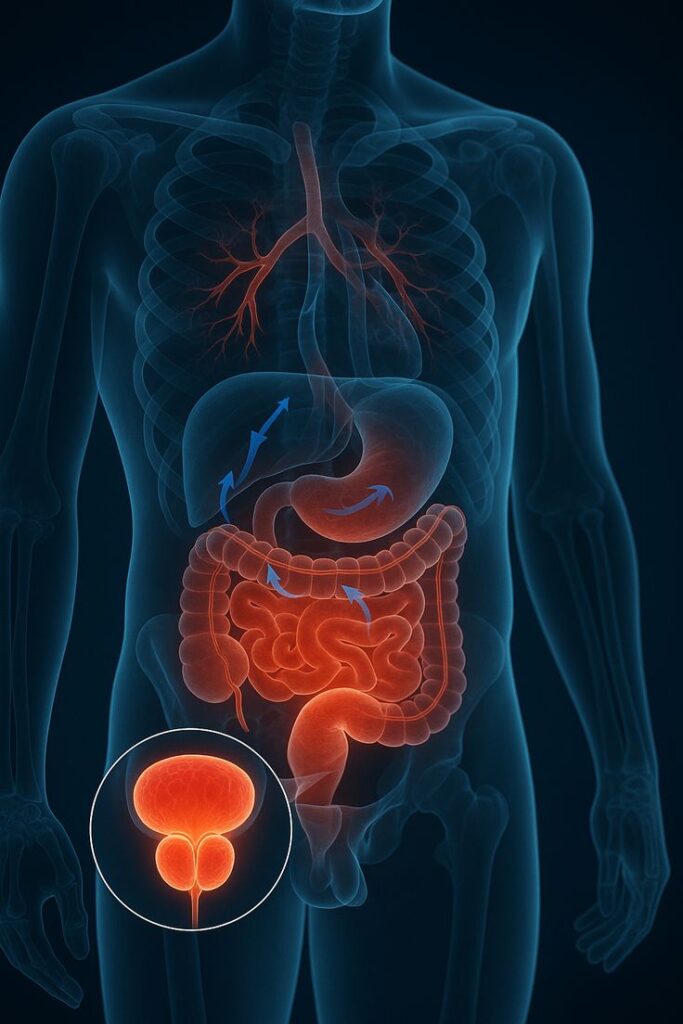
Benign Prostatic Hyperplasia (BPH) is a common, non-cancerous enlargement of the prostate gland that typically affects men as they age. As the prostate grows, it can press against the urethra and obstruct urine flow, leading to symptoms like frequent urination, weak urine stream, and nighttime bathroom trips. Although not dangerous by itself, BPH can significantly impact quality of life, and early management helps prevent complications and improve comfort.
Foods to include in Benign Prostatic Hyperplasia(BPH):
- Salmon or other cold-water fish – These fish are high in omega-3 fatty acids that will help reduce inflammation in the body, and they include other fish like sardines and trout.
- Tomatoes – Tomatoes are high in lycopene, an antioxidant that can help benefit and support prostate cells. It is important to note that when cooked, lycopene is more bioavailable.
- Berries – Strawberries, blueberries, raspberries, and blackberries all have antioxidants that counteract free radicals that can help protect cells.
- Broccoli and cruciferous vegetables – Broccoli, in particular, has a compound called sulforaphane, which targets cancer cells and promotes prostate health. These vegetables include bok choy, cauliflower, Brussels sprouts, cabbage, and so on.
- Shellfish, nuts, and legumes – They’re rich in zinc. Zinc is satisfying in maintaining proper levels of testosterone and DHT in the prostate.
- Citrus – Oranges, lemons, limes, and grapefruit are the best sources of vitamin C, and offer important protection for prostate gland health.
- Onions/Garlic – Emerging studies do suggest that these foods have a positive effect on prostate health.
Moreover, there are a few plant extract therapies that have shown the most promise in shrinking prostate size and improving urinary flow, like saw palmetto, but more research is necessary to confirm their effectiveness.
Food to Limit or Avoid in Benign Prostatic Hyperplasia(BPH):
- Red Meat: Limiting or eliminating red meat intake may also benefit prostate health as consuming red meat daily has been linked to an increased risk of prostate enlargement.
- Dairy Products: In a similar manner to red meat, regular dairy consumption has also been associated with an increased risk of BPH. Reducing your consumption of butter, cheese, and milk may help reduce symptoms associated with BPH.
- Caffeine: Caffeinated products act as diuretics, and increased diuresis will increase your urinary frequency and urgency. Reducing coffee, tea, soda, and chocolate products may be helpful to assist in reducing urinary symptoms associated with BPH.
- Alcohol: Alcohol can stimulate urine production, which can exacerbate BPH symptoms. Reducing alcohol intake, or abstaining completely, may reduce some symptoms.
- Sodium: A high sodium diet can worsen urinary tract symptoms associated with BPH. Limiting sodium intake via added salt or processed food could help some men take on a lower sodium diet.
A prostate-friendly diet that is high in fruits, vegetables, and healthy fats and a reduced intake of harmful foods may be an important aspect in promoting prostate health and, possibly, reducing complications associated with an enlarged prostate.
What is Benign Prostatic Hyperplasia (BPH)?
BPH is a non-cancerous enlargement of the prostate gland that commonly occurs with aging. It can press on the urethra and cause urinary symptoms like frequent urination, weak urine flow, and nighttime bathroom trips.
Which foods support prostate health in BPH?
Foods like salmon, tomatoes, berries, broccoli, shellfish, nuts, legumes, citrus fruits, onions, and garlic help support prostate health by reducing inflammation and providing antioxidants and essential nutrients.
Which foods should be limited or avoided in BPH?
Red meat, dairy products, caffeine, alcohol, and high-sodium foods should be reduced, as they may worsen urinary symptoms or contribute to prostate enlargement.