
Introduction
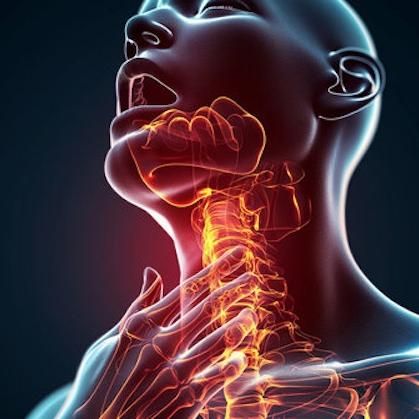
Dysphagia is a common medical condition characterized by difficulty in swallowing. It can occur due to neurological, muscular, or structural abnormalities affecting the swallowing mechanism. Dysphagia may lead to inadequate nutrition, dehydration, and respiratory complications if not managed properly. Early identification and appropriate rehabilitation are essential to upgrade swallowing function and quality of life.
Definition
Dysphagia refers to difficulty or discomfort in swallowing food, liquids, or saliva. It may occur at any stage of the swallowing process—oral, pharyngeal, or esophageal—and can range from mild swallowing difficulty to a complete inability to swallow.
Etiology
The causes of dysphagia are diverse and may include:
- Neurological disorders: Stroke, multiple sclerosis, Parkinson’s disease, and brain tumors.
- Muscular disorders: Myasthenia gravis and muscular dystrophy.
- Structural abnormalities: Tumors, strictures, or inflammation of the esophagus.
- Aging-related changes: Decreased muscle strength and coordination.
- Gastroesophageal reflux disease (GERD) and other digestive disorders.
Clinical Features
Patients with dysphagia may present with the following signs and symptoms:
- Problems swallowing food or liquids
- Coughing or choking during eating
- Drooling or inability to control saliva
- Sensation of food sticking in the throat or chest
- Weight loss and poor nutrition
- Recurrent chest infections
- Hoarseness or voice changes after swallowing
Complications
If left untreated, dysphagia can lead to several complications, including:
- Aspiration pneumonia due to food or liquid entering the airway
- Malnutrition and dehydration
- Choking episodes
- Decreased quality of life
- Social withdrawal and anxiety during meals
Physiotherapy Management
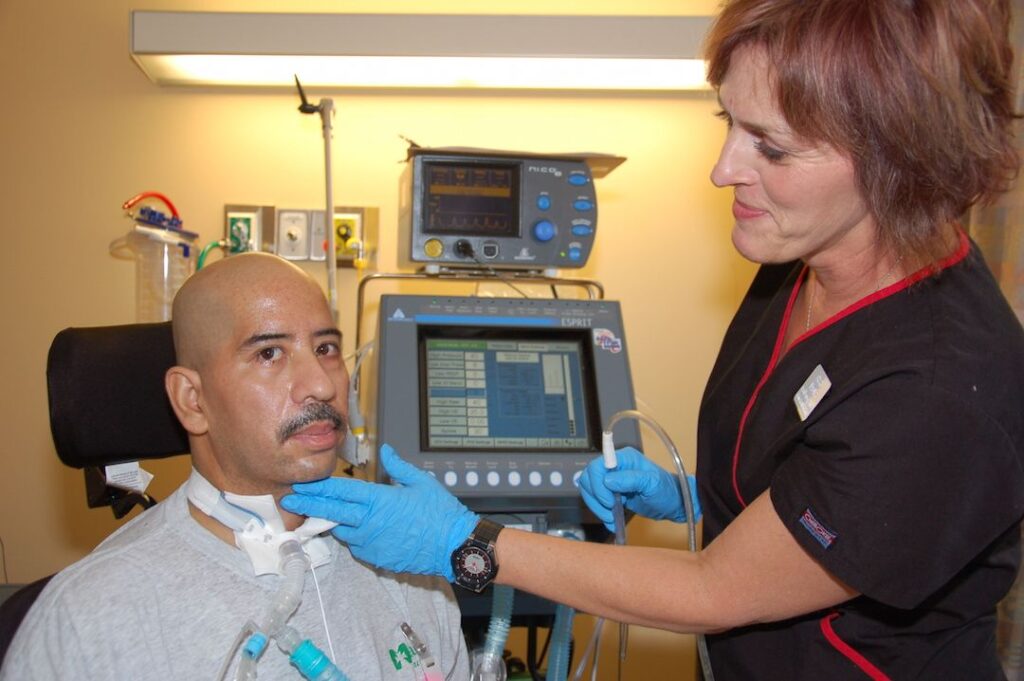
Physiotherapy and rehabilitation play a major role in improving swallowing function. Management strategies may include:
- Swallowing exercises to strengthen oral and pharyngeal muscles
- Postural techniques such as chin tuck or head turn during swallowing
- Coordination exercises and Breathing exercises
- Neuromuscular stimulation techniques, when appropriate
- Diet modification in collaboration with speech therapists and nutritionists
- Patient and caregiver education regarding safe swallowing practices
Conclusion
Dysphagia is a potentially serious condition that can remarkably affect nutrition, respiratory health, and overall well-being. Early diagnosis and a multidisciplinary rehabilitation approach involving physiotherapists, speech therapists, and medical professionals are essential for effective management. Proper therapy and lifestyle modifications can greatly improve swallowing safety and patient quality of life.
What is dysphagia?
Answer: Dysphagia is a medical condition characterized by difficulty or discomfort in swallowing food, liquids, or saliva due to problems in the swallowing mechanism.
What are common symptoms of dysphagia?
Answer: Common symptoms include difficulty swallowing, coughing or choking while eating, drooling, sensation of food sticking in the throat, weight loss, and recurrent chest infections.
How is dysphagia managed in rehabilitation?
Answer: Management includes swallowing exercises, postural techniques (chin tuck or head turn), breathing and coordination exercises, diet modification, and patient education for safe swallowing.