
Introduction
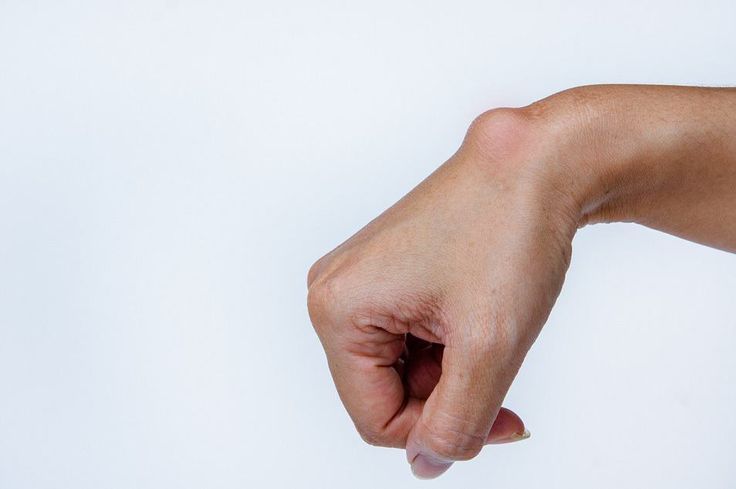
A ganglion Cysts is one of the most common soft-tissue swellings seen around joints and tendons. Though benign, it can cause discomfort, diminish function, and cosmetic concerns. Early identification and Proper management helps reinstate mobility and prevent recurrence.
Definition
A Ganglion Cyst is a non-cancerous, fluid-filled sac that typically arises near joints or tendon sheaths—most commonly on the wrist, hand, foot, or ankle. It contains a thick, jelly-like synovial fluid and may fluctuate in size based on activity level.
Etiology
- Joint or tendon irritation: Repetitive stress can lead to mucoid degeneration of connective tissue.
- Synovial herniation: A small outpouching of the joint capsule forms a cystic structure.
- Degenerative conditions: Osteoarthritis and ligament injuries increase risk.
- Trauma: Direct injury may trigger cyst development or aggravate an existing one.
- Unknown causes: In many cases, the exact origin remains idiopathic.
Signs and Symptoms
- Visible lump: Round, smooth, and soft swelling near a joint.
- Pain or discomfort: Often worsens with joint movement or pressure.
- Reduced range of motion: Especially if the cyst compresses surrounding structures.
- Numbness or tingling: When nerves are irritated or compressed.
- Fluctuating size: The cyst may enlarge with activity and shrink at rest.

Physiotherapy Management
Joint mobility exercises: Gentle ROM exercises for the wrist or affected joint to maintain flexibility.
Education: Guidance on ergonomics, posture, and proper joint mechanics.
Activity modification: Avoid repetitive strain or forceful gripping that aggravates the cyst.
Strengthening exercises: Strengthening of the forearm and hand musculature to upgrade joint stability.
Splinting or bracing: A wrist brace may help decrease movement-related irritation.
Post-aspiration rehabilitation (if treated medically): Gradual strengthening and mobility restoration after medical drainage or surgical removal.
Conclusion
- Ganglion Cysts are benign but can limit function and cause discomfort.
- With proper physiotherapy, symptoms can be managed effectively, improving mobility and reducing recurrence risk.
- Early intervention ensures better functional recovery and enhances quality of life.
What is a ganglion cysts?
A ganglion cysts is a non-cancerous, fluid-filled swelling that commonly appears near joints or tendon sheaths, especially on the wrist, hand, foot, or ankl
What are the common symptoms of a ganglion cysts?
Common symptoms include a visible lump, pain with movement, reduced joint mobility, numbness or tingling, and changes in the size of the swelling.
How is a ganglion cysts managed through physiotherapy?
Physiotherapy includes joint mobility exercises, strengthening, splinting, activity modification, ergonomic education, and rehabilitation after medical drainage if needed.