
Introduction
Pneumatic Compression Devices are widely used in medical and rehabilitation settings to improve blood circulation, reduce swelling, and support recovery from various vascular and musculoskeletal conditions. They play an essential role in physiotherapy by enhancing lymphatic flow and promoting soft-tissue healing.
Definition
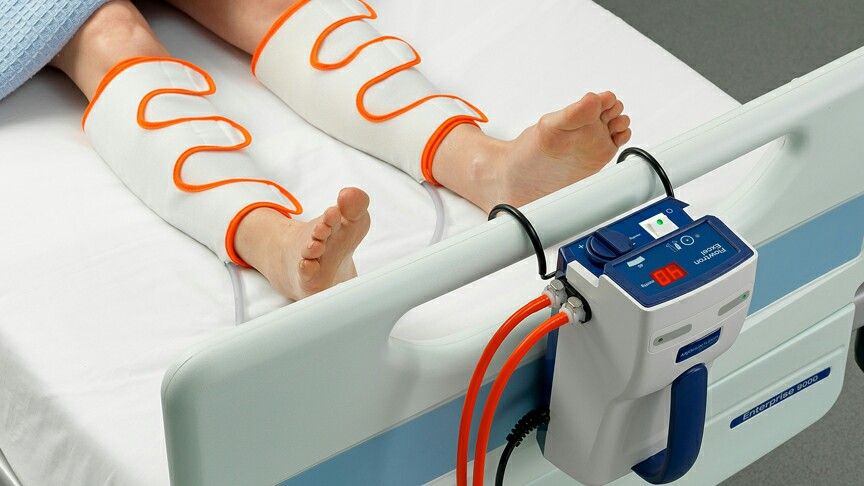
A Pneumatic Compression Device is a mechanical system that uses air-filled sleeves or cuffs to apply controlled, cyclic pressure to limbs. This external compression mimics natural muscle pumping, helping move blood and lymphatic fluid effectively.
Use
Pneumatic Compression Devices are commonly used to manage:
- Lymphedema (primary or secondary)
- Chronic venous insufficiency
- Post-surgical swelling
- Deep vein thrombosis (DVT) prevention
- Sports injuries with oedema formation
- Improvement of lymphatic and venous return
They can be applied to the arms, legs, or specific regions depending on therapeutic needs.
Risk Factors
While generally safe, the use of Pneumatic Compression Devices may not be suitable for individuals with:
- Active Deep vein thrombosis or severe vascular obstruction
- Severe arterial insufficiency (PAD)
- Infections in the affected limb
- Congestive heart failure (uncontrolled)
- Open wounds
- Acute inflammation or severe pain during compression
Benefits
- Reduces Swelling: Enhances lymphatic and venous drainage.
- Improves Circulation: Promotes blood flow to tissues.
- Pain Relief: Reduce pressure and inflammation in the limb.
- Prevents Fluid Accumulation: Useful for chronic conditions like lymphedema.
- Enhances Healing: Supports recovery after surgeries or injuries.
- Non-invasive and Comfortable: Suitable for long-term management.

Role in Physiotherapy
Pneumatic Compression Devices are a valuable component of rehabilitation therapy because they:
- Support Manual Lymphatic Drainage (MLD): Help physiotherapists maintain fluid movement in patients with lymphedema.
- Reduce Limb Heaviness: Improving patient mobility during exercise therapy.
- Prepare Tissues for Treatment: Reduced swelling enhances joint mobility and flexibility.
- Assist Recovery in Athletes: Decrease post-exercise oedema and muscle soreness.
- Improve Function: Regular use increases ease of movement and daily activities.
Conclusion
Pneumatic Compression Devices are highly effective in managing swelling, improving circulation, and enhancing physiotherapy outcomes. When used appropriately and under clinical guidance, they significantly improve comfort, mobility, and overall quality of life.
What is a Pneumatic Compression Device?
Answer: It is a mechanical device that uses air-filled cuffs to apply controlled pressure on limbs, helping improve blood and lymphatic flow.
What conditions can Pneumatic Compression Devices help manage?
Answer: They are used for lymphedema, chronic venous insufficiency, post-surgical swelling, DVT prevention, and sports-related edema.
What are the main benefits of using a Pneumatic Compression Device?
Answer: It reduces swelling, improves circulation, relieves pain, prevents fluid buildup, enhances healing, and supports physiotherapy outcomes.