and

Tendo-Achilles Tendon Peritendinitis: Causes, Symptoms, and Physiotherapy Care
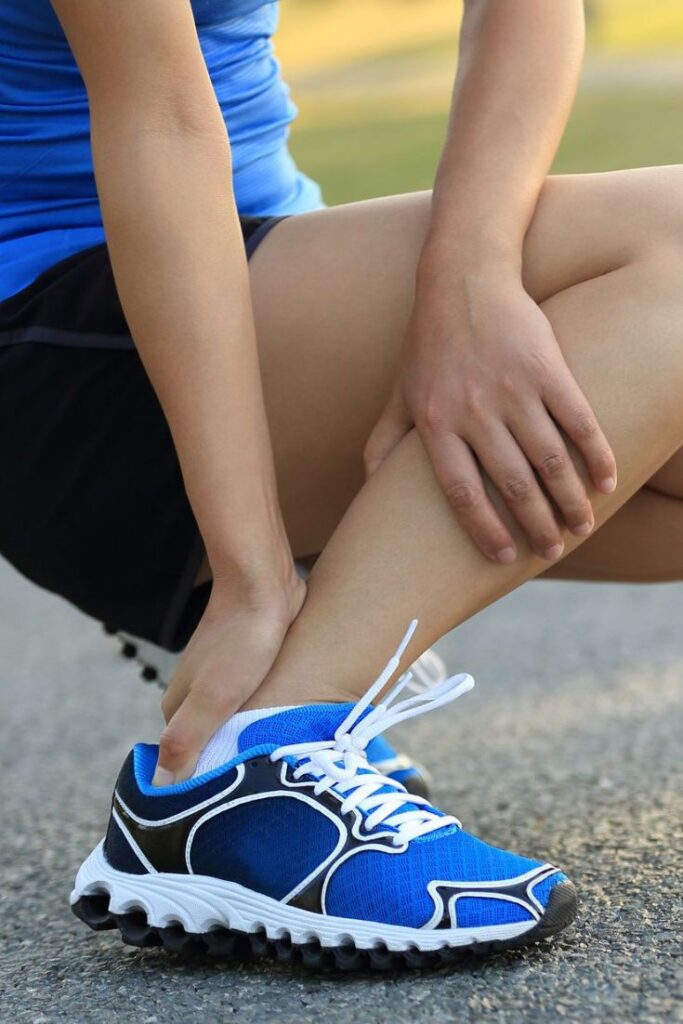
Tendo-Achilles tendon peritendinitis

Introduction Tendo-Achilles Tendon Peritendinitis is an overuse injury affecting the tissues surrounding the Achilles tendon. It is commonly seen in athletes, runners, and individuals involved in repetitive loading activities. Early diagnosis and acquiring physiotherapy management are necessary to prevent chronic pain and functional limitation. Definition Tendo-Achillis tendon peritendinitis refers to inflammation of the peritendon—the connective …

Tendo-Achilles Tendon Peritendinitis: Causes, Symptoms, and Physiotherapy Care Read More »
 Hernia Explained: Clinical Features and Care Approach

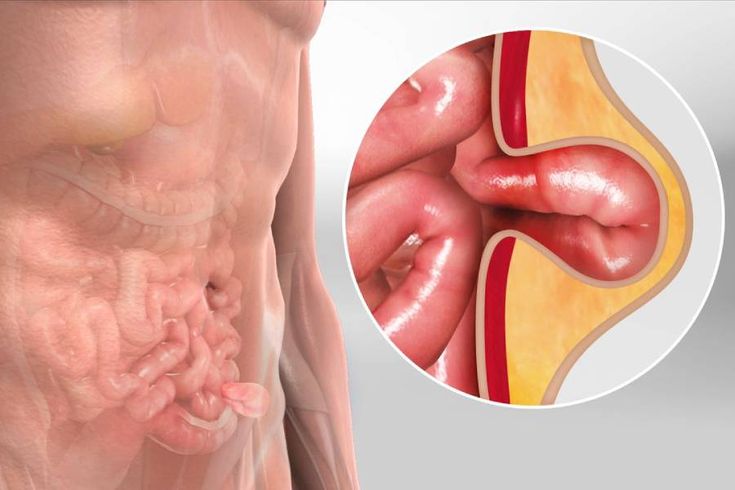
Hernia

Introduction Hernia is a common medical condition in which an internal organ or tissue protrudes through a weakened area of muscle or connective tissue. It most frequently affects the abdominal region and may cause discomfort, functional limitations, and complications if left untreated. Early diagnosis and physiotherapy play a vital role in symptom management and recovery. …

 Hernia Explained: Clinical Features and Care Approach Read More »

Heart Valve Surgery: Indications, Care, and Rehabilitation

e8cbf7c92a23bf71b318e18a43e53036

Introduction Heart valve surgery is a specialized cardiac procedure performed to repair or replace damaged heart valves that disrupt normal blood flow through the heart. Diseased valves can lead to heart failure and other serious complications if not treated on time. Advances in surgical techniques and postoperative rehabilitation have remarkably improved patient outcomes. Indications Heart …

Heart Valve Surgery: Indications, Care, and Rehabilitation Read More »

Multiple System Atrophy: Causes, Symptoms, and Rehabilitation Strategies

Multiple System Atrophy

Introduction Multiple System Atrophy (MSA) is a rare, progressive neurodegenerative disorder that affects movement, balance, and autonomic nervous system functions. It is characterized by a combination of Parkinsonian features, cerebellar dysfunction, and autonomic failure. Early recognition and supportive rehabilitation play a vital role in improving quality of life. Definition Multiple System Atrophy is an adult-onset …

Multiple System Atrophy: Causes, Symptoms, and Rehabilitation Strategies Read More »

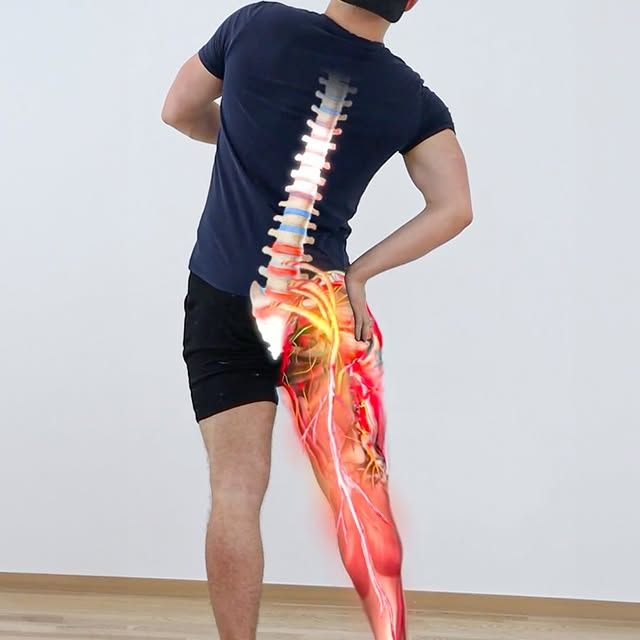
Sciatica: Causes, Symptoms, and Effective Pain Relief

Sciatica

Introduction Sciatica is a common neuromuscular condition characterized by pain radiating along the path of the sciatic nerve. It often affects the lower back, buttocks, and one or both lower limbs. Sciatica can remarkably interfere with daily activities, posture, and mobility if not addressed early. Definition Sciatica refers to a set of symptoms caused by …

Sciatica: Causes, Symptoms, and Effective Pain Relief Read More »

Bell’s Palsy: Facial Paralysis and Functional Recovery

Bell’s Palsy

Introduction Bell’s Palsy is a common neurological disorder characterised by the sudden onset of facial muscle weakness or paralysis. It typically affects one side of the face and can significantly impact facial expression, speech, eye closure, and psychological well-being. Early intervention and physiotherapy play a vital role in recuperation. Definition Bell’s palsy is an acute, …

Bell’s Palsy: Facial Paralysis and Functional Recovery Read More »

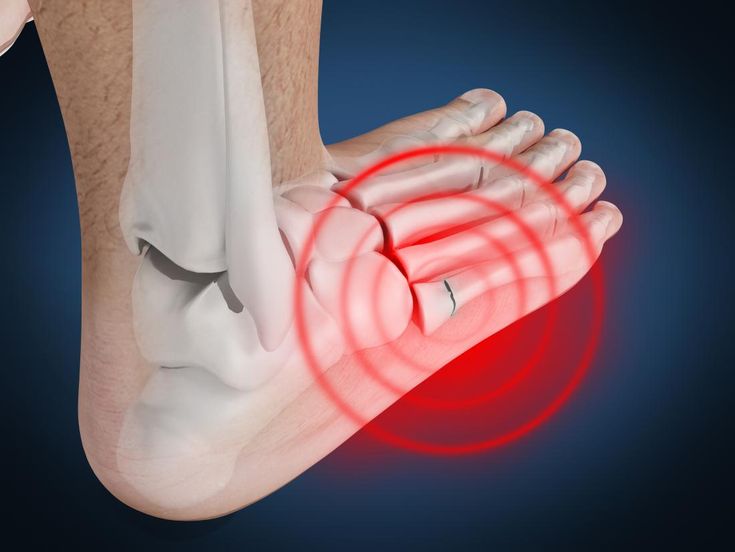
Foot Pain and Metatarsal Fractures: What You Need to Know

6fa226afef342d2e80eeae92be971126

 Introduction Fracture of the Metatarsal refers to a break in one or more of the five long bones of the foot located between the tarsal bones and toes. Metatarsal fractures are common foot injuries seen in athletes, dancers, and individuals exposed to trauma. If untreated, they can significantly impair walking and weight-bearing activities. Etiology Metatarsal …

Foot Pain and Metatarsal Fractures: What You Need to Know Read More »

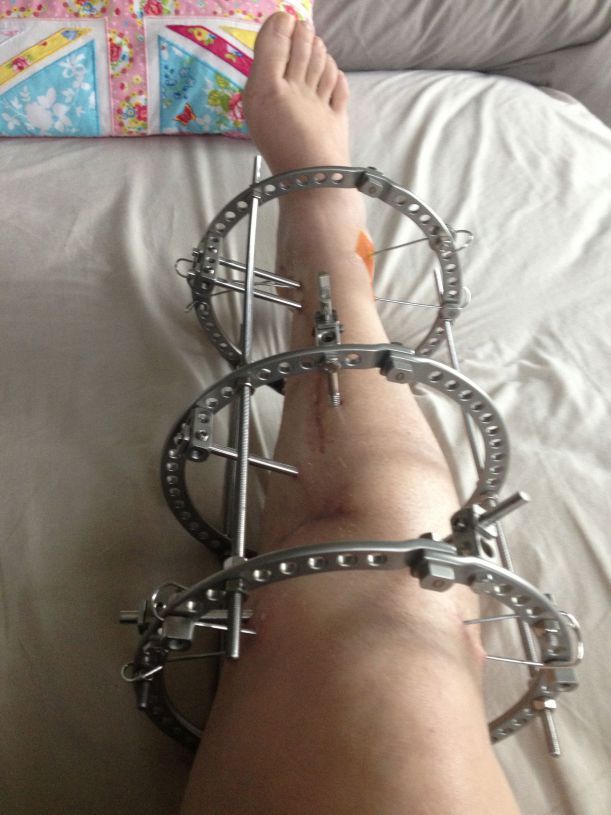
Understanding Tibia and Fibula Fractures and Their Recovery Process

7acc4182a1cc2c6b488a6bae495621cb7acc4182a1cc2c6b488a6bae495621cb

Introduction Fracture of the tibia and fibula refers to a break in one or both long bones of the lower leg. The tibia is the primary weight-bearing bone, while the fibula provides lateral stability and muscle attachment. These fractures are common following trauma and can significantly impair walking, balance, and daily activities. Early diagnosis and …

Understanding Tibia and Fibula Fractures and Their Recovery Process Read More »

Screen Time and Speech Delay: Evidence-Based Insights on Developmental Impact

Speech Delay

Developmental delays in young children – especially in speech and language – have increasingly been linked to excessive use of mobile devices. Multiple studies suggest a significant association between high mobile-screen exposure and Speech Delay, comprehension, and overall language development. One large-scale Danish study of over 31,000 children found that toddlers who spent one hour …

Screen Time and Speech Delay: Evidence-Based Insights on Developmental Impact Read More »

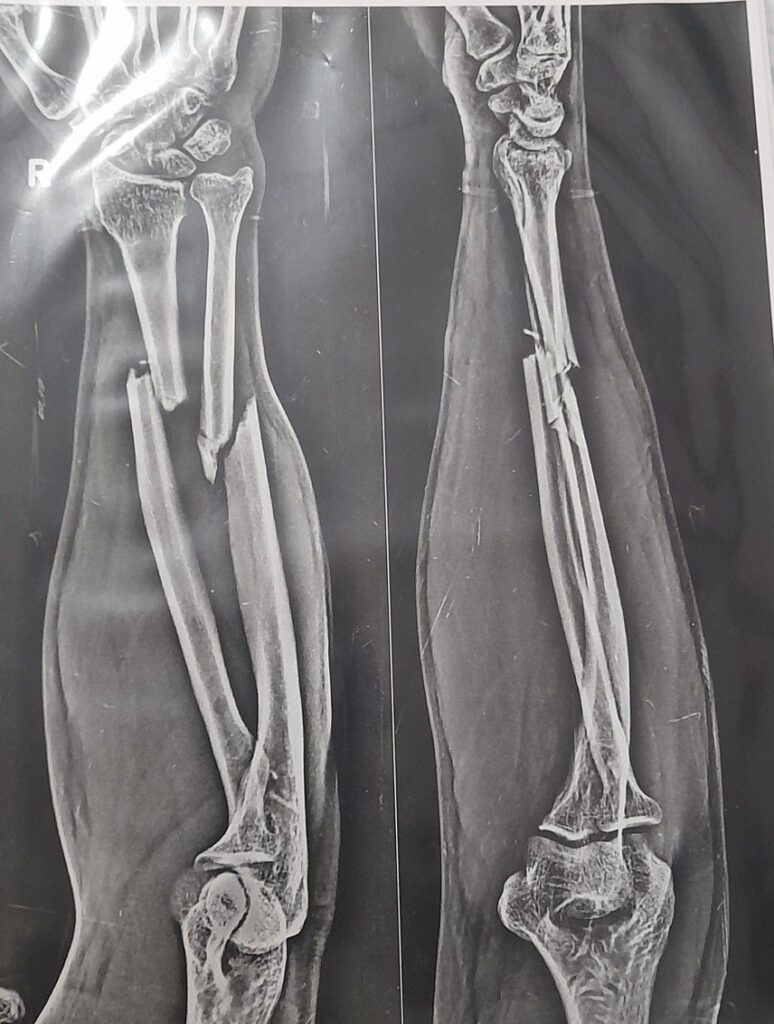
Fracture of the Radius and Ulna

Fracture of the Radius and Ulna

Introduction Fracture of the Radius and Ulna refers to a break involving one or both bones of the forearm. These injuries are common in children and adults and can significantly affect hand, wrist, and elbow function. Early diagnosis and suitable rehabilitation are essential for optimal recovery. Mechanism of Injury Classification Based on Anatomical Location  Based …

Fracture of the Radius and Ulna Read More »

Aphasia: Understanding the Condition and Its Management

Aphasia

Aphasia is a communication disorder that affects a person’s ability to speak, understand language, read, or write. It occurs due to damage to the language centers of the brain, most commonly following a stroke, head injury, brain tumor, or neurological disease. It does not affect intelligence; rather, it impacts how language is processed and expressed. …

Aphasia: Understanding the Condition and Its Management Read More »

Fracture of the Scapula: Mechanism of Injury and Functional Recovery

admin ajax (1)

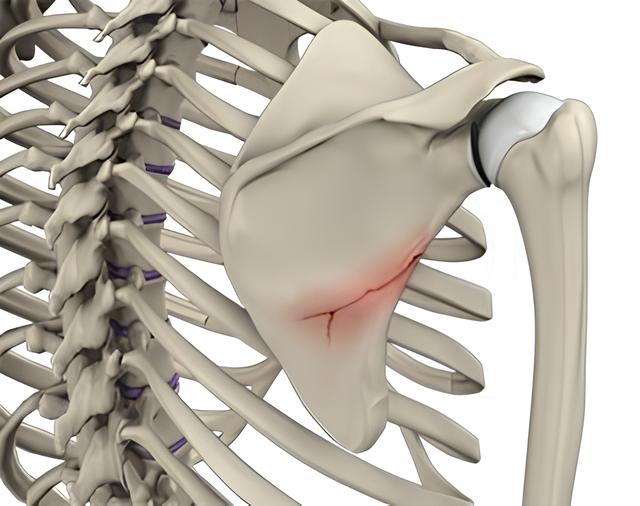
Introduction Fracture of the Scapula is an uncommon injury, accounting for a small percentage of all fractures due to the bone’s protected position within surrounding muscles and the thoracic cage. It usually results from high-energy trauma and is often associated with other serious injuries. Early diagnosis and appropriate rehabilitation are essential for optimal shoulder function. …

Fracture of the Scapula: Mechanism of Injury and Functional Recovery Read More »

Calcaneal Bursitis: Understanding Heel Pain and Its Rehabilitation

Calcaneal Bursitis

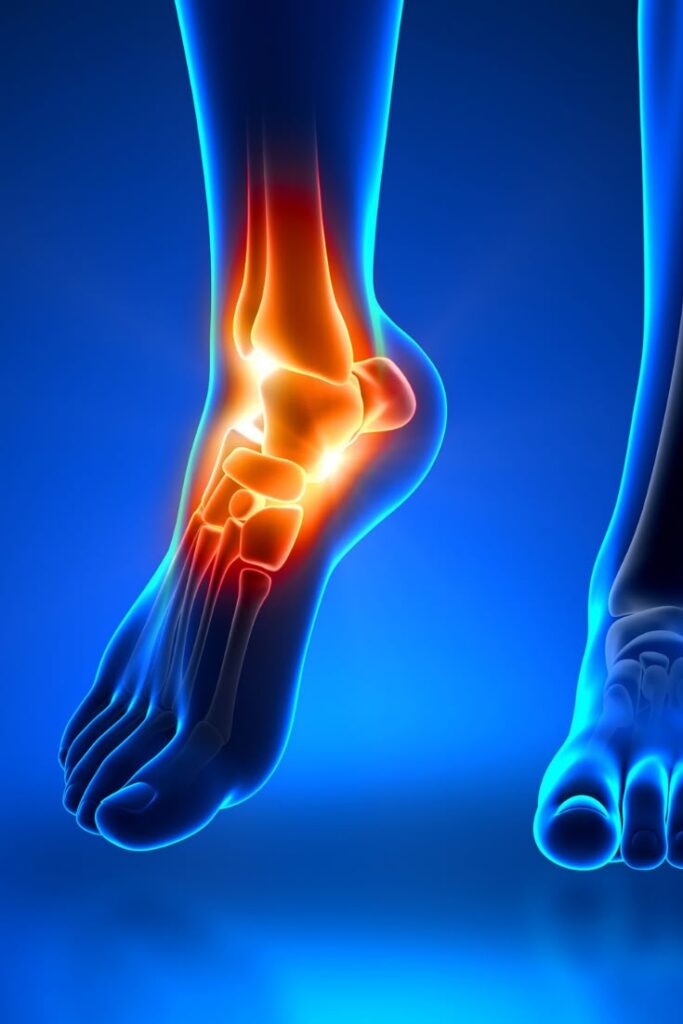
Introduction Calcaneal Bursitis is a painful inflammatory condition affecting the heel, commonly seen in individuals who engage in prolonged standing, walking, or running. It can remarkably interfere with daily activities and mobility. Early identification and appropriate physiotherapy intervention help relieve pain and prevent chronic heel problems. Definition Calcaneal bursitis is the inflammation of the bursae …

Calcaneal Bursitis: Understanding Heel Pain and Its Rehabilitation Read More »

The Paralysed Foot: Clinical Features and Comprehensive Rehabilitation Guide

The Paralysed Foot

Introduction The Paralysed Foot is a disabling condition where weakness or loss of movement affects the foot and ankle. This leads to difficulty walking, impaired balance, and long-term deformities if untreated. Early diagnosis and physiotherapy play a crucial role in restoring function and preventing complications. ​ Definition The paralysed foot refers to the partial or …

The Paralysed Foot: Clinical Features and Comprehensive Rehabilitation Guide Read More »