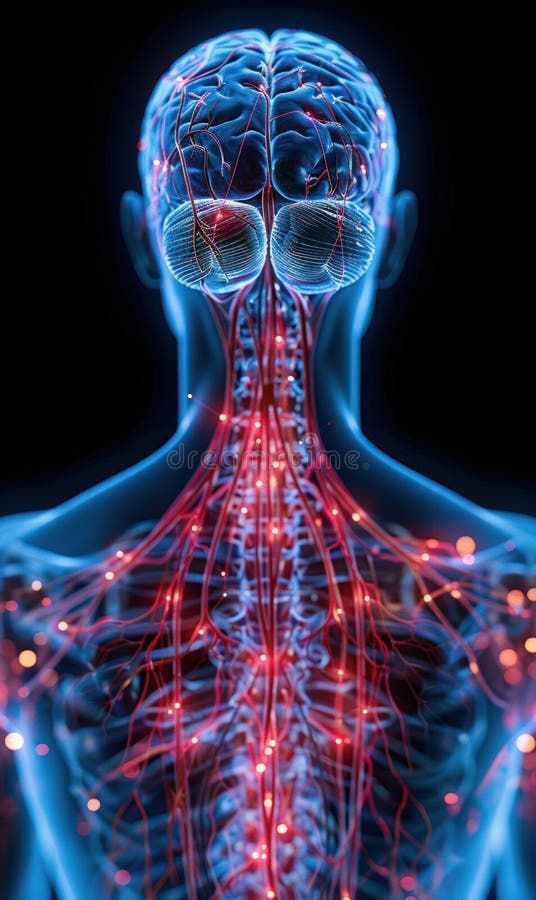
Bladder dysfunction

Neurogenic Bladder: Causes, Symptoms & Physiotherapy Management
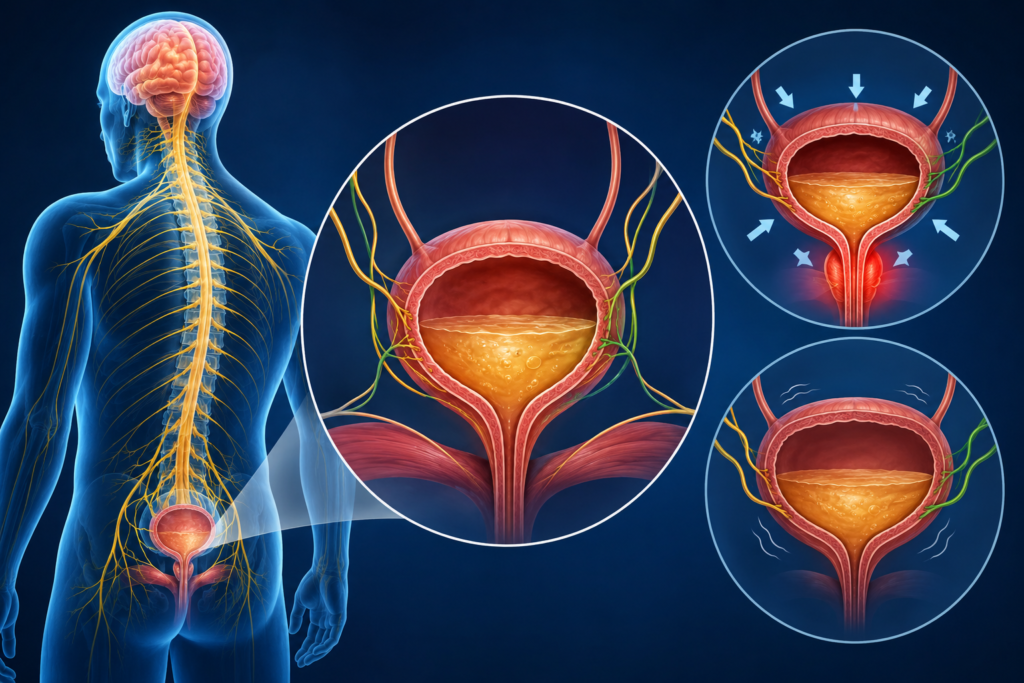
Neurogenic bladder

Introduction Neurogenic bladder is a dysfunction of the urinary bladder caused by damage to the nervous system. It affects the normal storage and emptying of urine, leading to significant physical and social challenges. Early diagnosis and proper management are essential to prevent complications. Definition Neurogenic bladder refers to impaired bladder control due to neurological disorders …

Neurogenic Bladder: Causes, Symptoms & Physiotherapy Management Read More »
 Tabes Dorsalis: A Neurological Perspective and Rehabilitation Approach

Tabes Dorsalis

Introduction Tabes Dorsalis is a late manifestation of untreated syphilis affecting the nervous system. It primarily involves degeneration of the dorsal columns of the spinal cord, leading to sensory deficits and impaired coordination. Though rare today, it remains clinically remarkable in neurological and rehabilitation settings. Definition Tabes Dorsalis is a form of neurosyphilis characterized by …

 Tabes Dorsalis: A Neurological Perspective and Rehabilitation Approach Read More »

Central Cord Syndrome: A Focused Clinical Overview

Central Cord Syndrome

Introduction Central Cord Syndrome (CCS) is the most common form of incomplete spinal cord injury, typically affecting the cervical region. It often results in greater impairment of the upper limbs than the lower limbs, significantly impacting functional independence and quality of life. Definition Central Cord Syndrome is a neurological condition characterized by disproportionately greater motor …

Central Cord Syndrome: A Focused Clinical Overview Read More »