Deformity

Camptocormia: Postural Deformity and Rehabilitation Approach
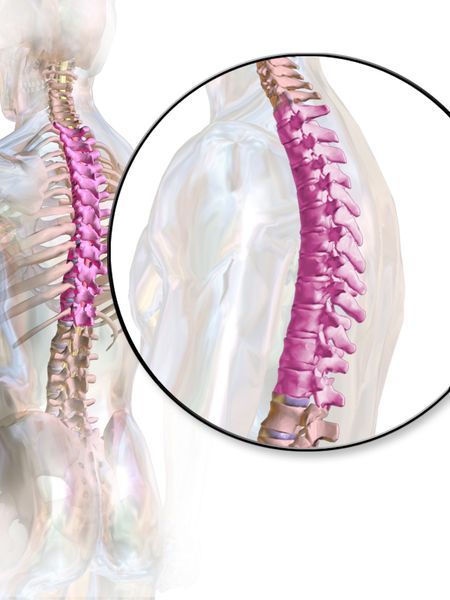
Camptocormia

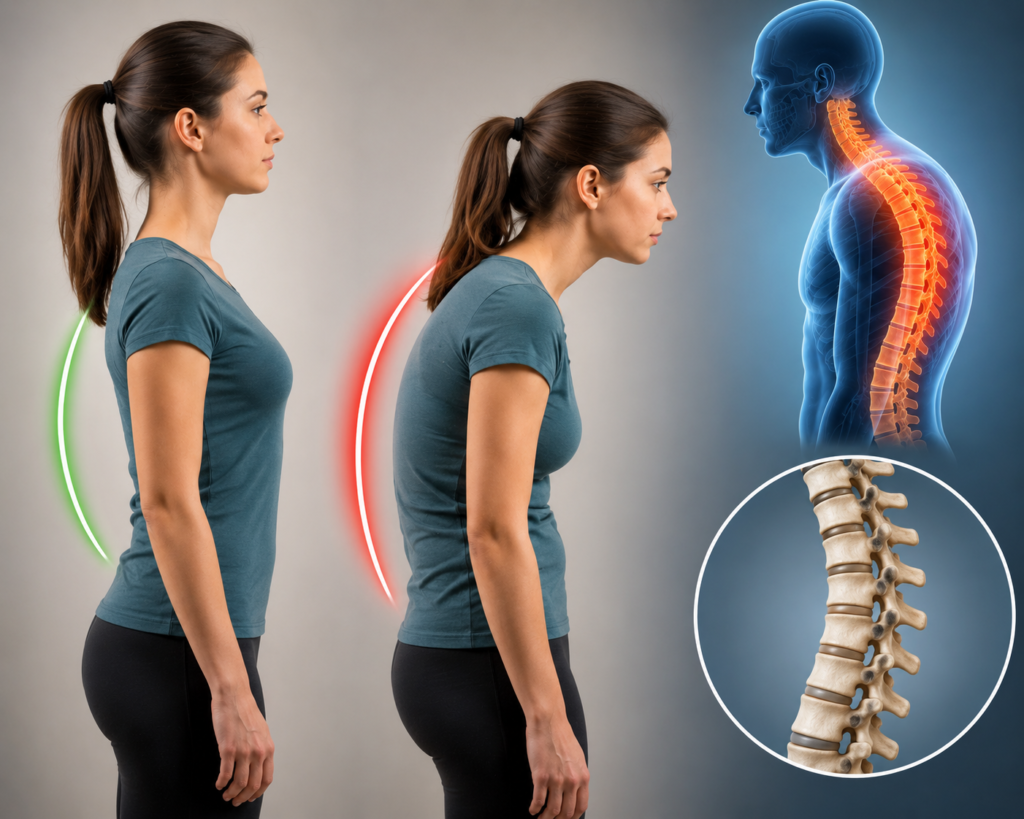
Introduction Camptocormia is a disabling postural abnormality commonly seen in neurological and neuromuscular disorders. It remarkably affects standing and walking ability, leading to decreased freedom and social participation. Early recognition and structured rehabilitation are essential to improve functional outcomes. Definition Camptocormia is characterized by an abnormal, marked forward flexion of the thoracolumbar spine that appears …

Camptocormia: Postural Deformity and Rehabilitation Approach Read More »
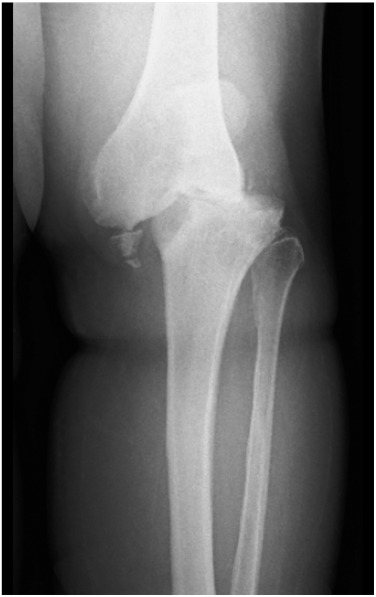
Charcot Knee

CHARCOT KNEE

Introduction:  Charcot Knee  is the chronic, progressive, non-infectious destruction of bone and joints, in patients with peripheral neuropathy, as first described by William Musgrave in 1703 . Charcot neuroarthropathy of the knee (CK) is a rare and under-researched area, resulting in considerable morbidity. However, it is a common foot and ankle related pathology, especially in …

Charcot Knee Read More »

Haglund’s deformity

chatgpt image may 8, 2026, 03 43 54 pm

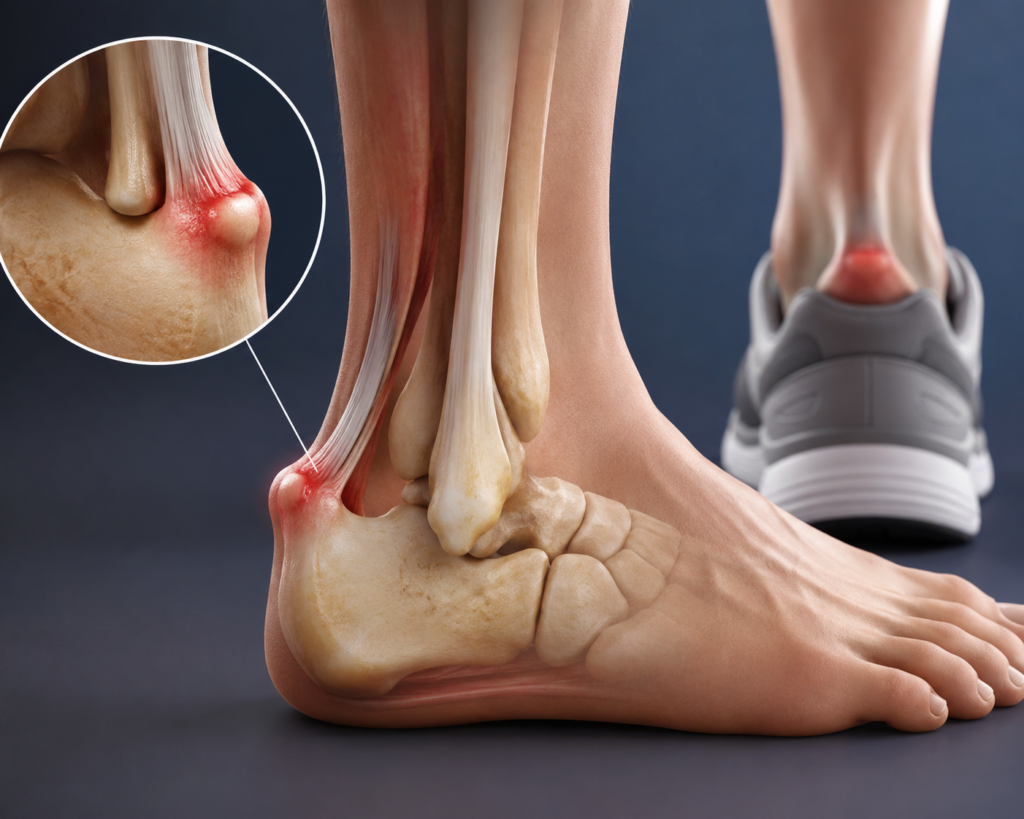
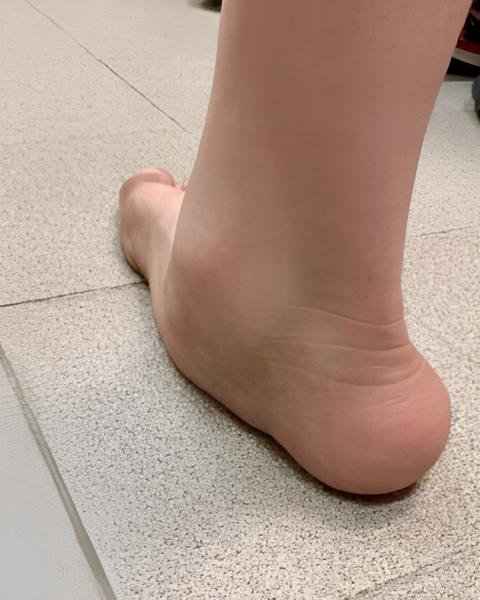
Introduction: Haglund’s Syndrome, often referred to as “pump bump”, is a common condition significant posterior heel pain. It is associated with retrocalcaneal bursitis.It affects individuals across various activity levels, from athletes to those with sedentary lifestyles. Definition: Haglund’s Syndrome is a musculoskeletal condition characterized by a bony enlargement on the posterior heel bones (calcaneus) at the …

Haglund’s deformity Read More »

Pes Planus

chatgpt image may 7, 2026, 06 27 51 pm

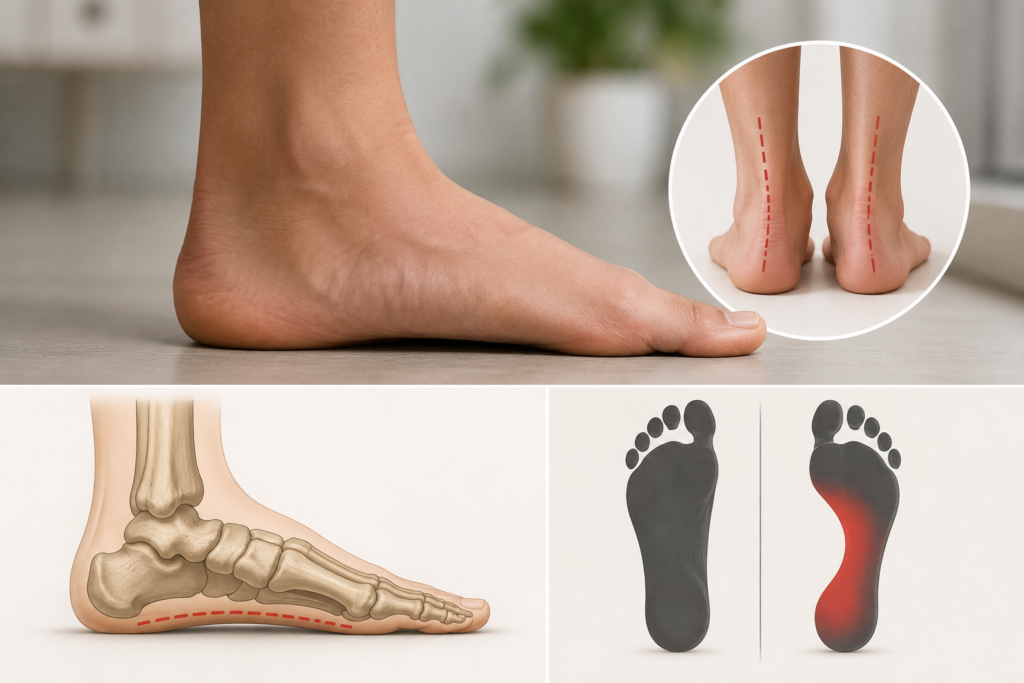
Introduction Pes Planus is a foot deformity opposite to pes cavus. Here, the medial longitudinal arch of the foot is dropped downward; thereby, there is a loss of the spring action causing excessive stress over the whole foot during every step. Definition  Pes planus is the loss of the medial longitudinal arch of the foot, causing …

Pes Planus Read More »

Pes Cavus

chatgpt image may 7, 2026, 06 22 59 pm

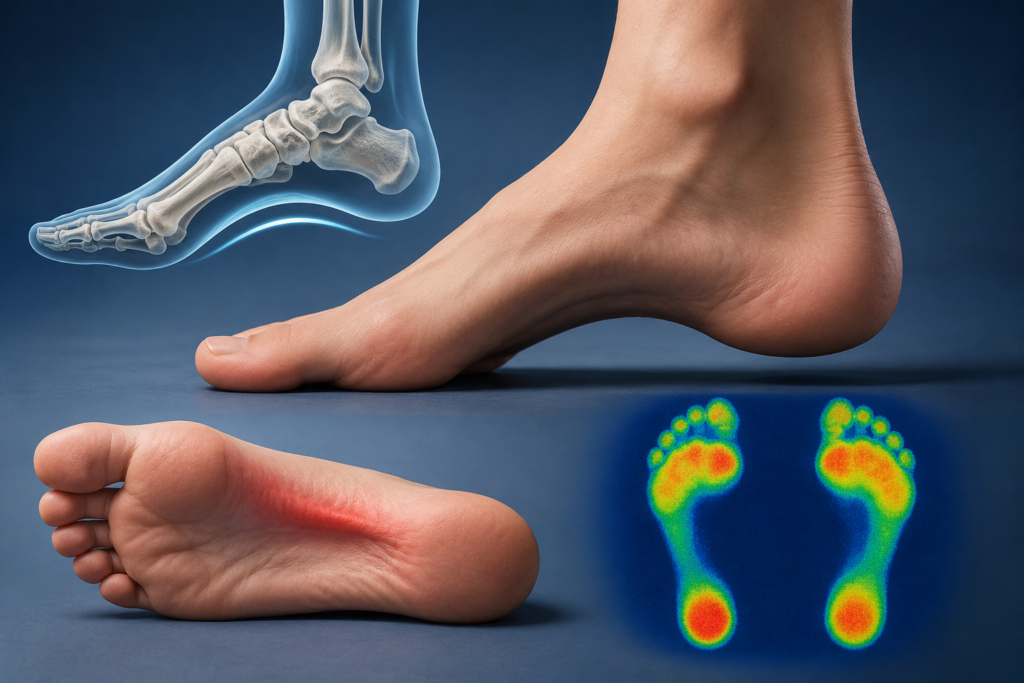
Introduction  Pes cavus, commonly known as high arches. These deformities of the ankle and foot present in various degrees, from mild to severe. Mild deformities are easily stretchable needing rigid immobilization in a corrected position. Severe ones are rigid. Many a times, these deformities are present in combination. In about 50% of the cases, they …

Pes Cavus Read More »

Spring Ligament Injuries

admin ajax (4) (1)

Introduction It extends from the sustentaculum tali of the calcaneus to the plantar surface of the navicular bone. The ligaments are so arranged that they facilitate certain movements while at the same time check excessive and harmful joint movements. Spring ligament complex injuries or calcaneonavicular ligament injuries refer to stretching sprains, tears, or ruptures of …

Spring Ligament Injuries Read More »

Kyphotic Deformity: Clinical Overview and Treatment Approaches

may 6, 2026, 06 20 45 pm

 Introduction Kyphosis, often perceived as solely a spinal issue, significantly impacts overall posture and movement patterns. The compensatory mechanisms adopted by the body to maintain balance in the presence of kyphosis can place abnormal stresses on various joints, particularly the hips, leading to pain, dysfunction, and even injury.  Etiology The primary cause is the altered …

Kyphotic Deformity: Clinical Overview and Treatment Approaches Read More »

Spina Bifida in Children: Early Intervention and Rehabilitation

chatgpt image may 6, 2026, 06 05 52 pm

Introduction Spina Bifida is a birth defect that occurs when the spine and spinal cord don’t form properly. It falls under the umbrella of neural tube defects (NTDs), which are conditions affecting the brain, spinal cord or spine. Definition Spina bifida, a neural tube defect, is the result of the defective fusion of one or …

Spina Bifida in Children: Early Intervention and Rehabilitation Read More »

TUBERCULOSIS OF THE HIP JOINT

chatgpt image may 5, 2026, 05 13 04 pm

Introduction Tuberculosis of the Hip Joint constitutes 15  percent of all osteoarticular tuberculosis. It is always secondary. The initial focus of infection could be either in the: (i) acetabular roof, (ii) epiphysis, (iii) metaphyseal region, (iv) greater trochanter, (v) synovial membrane (rare), and (vi) trochanteric bursae Pathogenesis Etiology TB bacillus is may responsible for TB …

TUBERCULOSIS OF THE HIP JOINT Read More »