explained:

Myelomeningocele Explained: A Guide for Clinicians and Caregivers

Myelomeningocele

Introduction Myelomeningocele is the most severe and common form of spina bifida, a congenital neural tube defect affecting the spine and central nervous system. It remarkably impacts motor, sensory, and functional capability, requiring lifelong multidisciplinary care. Definition Myelomeningocele is a condition in which both the spinal cord and meninges protrude through a defect in the …

Myelomeningocele Explained: A Guide for Clinicians and Caregivers Read More »

Neurotmesis: The Most Severe Form of Nerve Injury Explained

d030ec077bc55ca675a4842cf9bbe5a0

Introduction Neurotmesis represents the most severe form of peripheral nerve injury, often resulting in complete loss of nerve continuity. It typically occurs after major trauma and leads to remarkable motor and sensory deficits, requiring surgical and rehabilitative management. Definition Neurotmesis is defined as a complete disruption of the nerve, including the axon and surrounding connective …

Neurotmesis: The Most Severe Form of Nerve Injury Explained Read More »

Posterior Cord Syndrome: A Rare Spinal Cord Injury Explained

Posterior Cord Syndrome

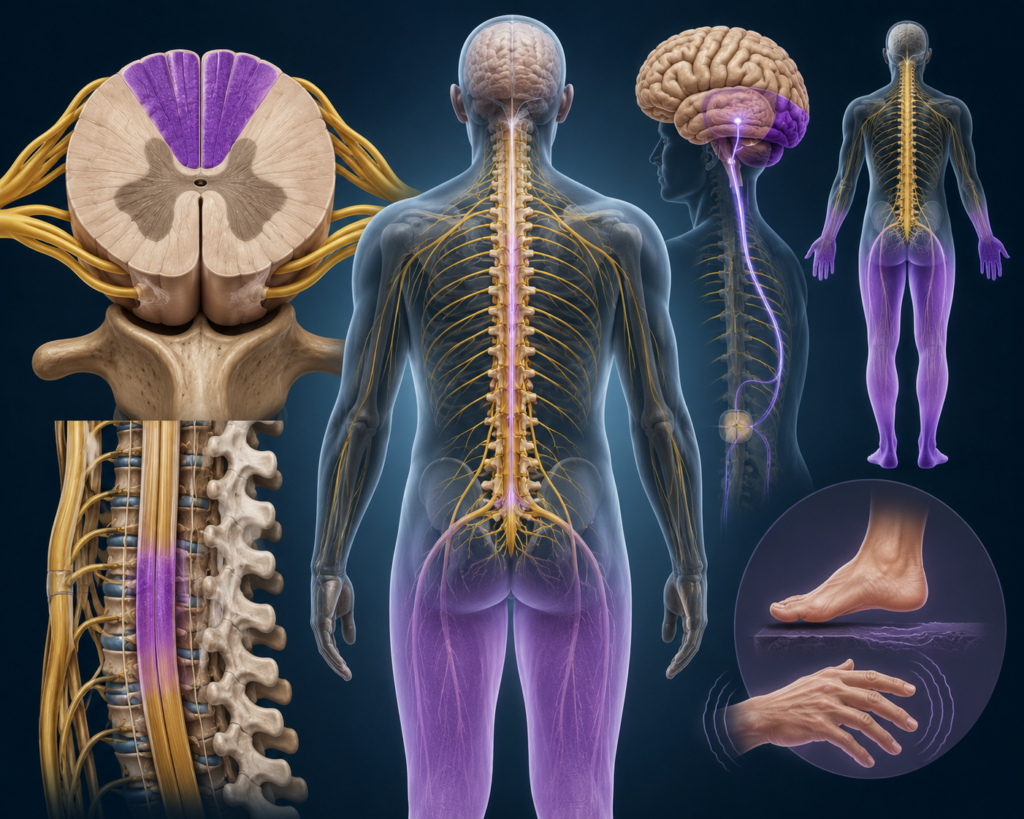
Introduction Posterior Cord Syndrome (PCS) is a rare form of incomplete spinal cord injury that primarily affects the dorsal (posterior) columns of the spinal cord. These columns are responsible for transmitting proprioception, vibration, and fine touch sensations. Although uncommon, PCS can remarkably impair coordination and functional mobility, making early recognition and rehabilitation crucial. Definition Posterior …

Posterior Cord Syndrome: A Rare Spinal Cord Injury Explained Read More »

Understanding Dysarthria: A Motor Speech Disorder Explained

Dysarthria

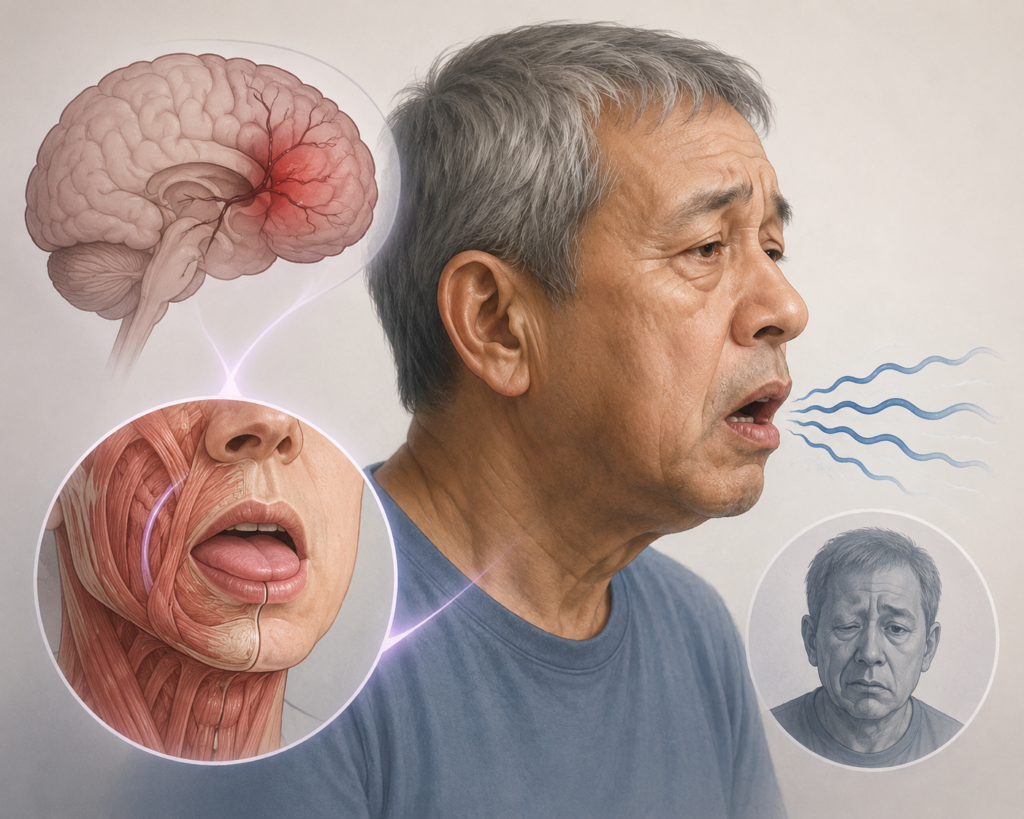
Introduction Dysarthria is a motor speech disorder resulting from neurological impairment that affects the muscles used for speech production. It can significantly impact communication, social interaction, and overall quality of life. Individuals with dysarthria may have difficulty controlling the muscles of the lips, tongue, vocal cords, and diaphragm, leading to unclear or slow speech. Early …

Understanding Dysarthria: A Motor Speech Disorder Explained Read More »

 Hernia Explained: Clinical Features and Care Approach

Hernia

Introduction Hernia is a common medical condition in which an internal organ or tissue protrudes through a weakened area of muscle or connective tissue. It most frequently affects the abdominal region and may cause discomfort, functional limitations, and complications if left untreated. Early diagnosis and physiotherapy play a vital role in symptom management and recovery. …

 Hernia Explained: Clinical Features and Care Approach Read More »

Dementia Explained: From Memory Loss to Functional Decline

Dementia

Introduction Dementia is a progressive neurological condition that affects memory, thinking, behavior, and the ability to perform daily activities. It is more common in older adults but is not a normal part of aging. Early identification and supportive rehabilitation play an significant role in improving quality of life and functional independence. Definition Dementia is a …

Dementia Explained: From Memory Loss to Functional Decline Read More »

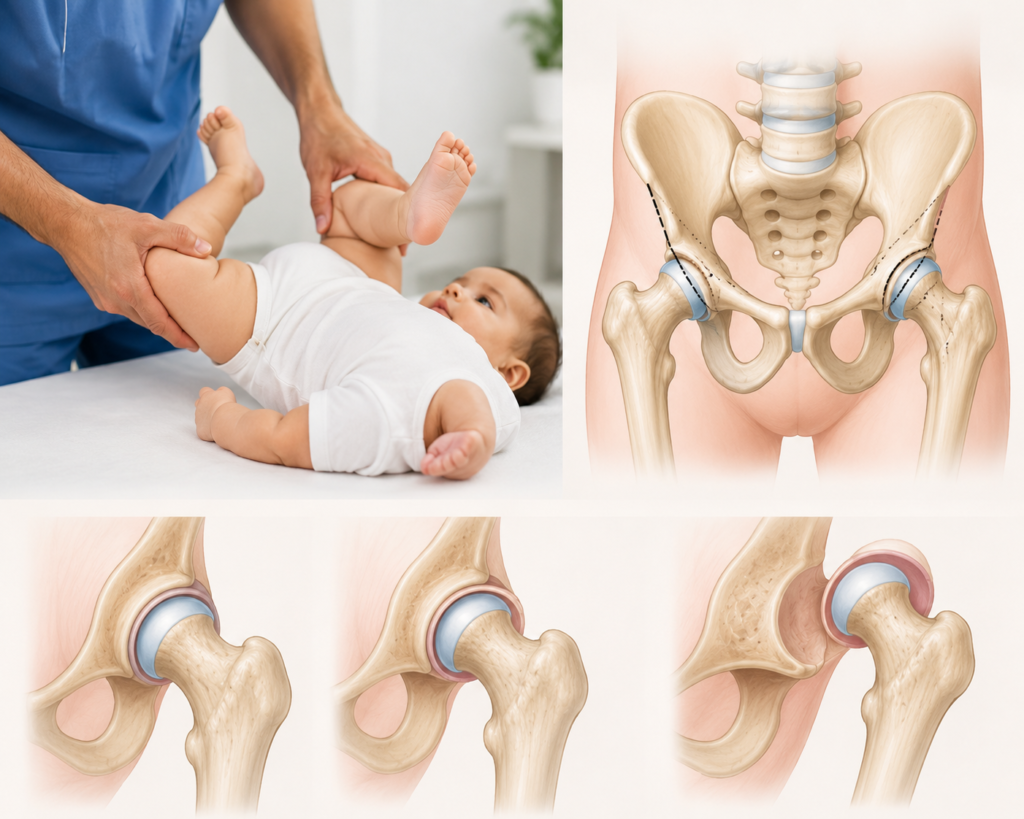
Developmental Dysplasia of the Hip Explained: Diagnosis, Clinical Features, and Rehabilitation Management

Developmental Dysplasia of the Hip

Introduction Developmental Dysplasia of the Hip (DDH) is one of the most common pediatric orthopedic conditions. Early diagnosis is crucial, as timely treatment helps prevent long-term complications such as gait abnormalities and early osteoarthritis. A structured approach to assessment and rehabilitation is essential for optimal outcomes. Definition The condition is formerly known as congenital dislocation …

Developmental Dysplasia of the Hip Explained: Diagnosis, Clinical Features, and Rehabilitation Management Read More »