Seizures

Tuberculous Meningitis: Clinical Features and Rehabilitation Approach
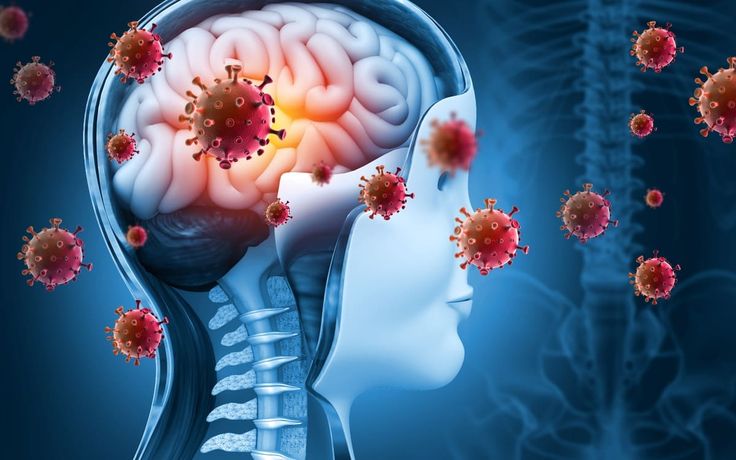
Tuberculous Meningitis

Introduction Tuberculous Meningitis (TBM) is the most severe form of extrapulmonary tuberculosis, caused by Mycobacterium tuberculosis. It primarily affects the meninges of the brain and spinal cord and is associated with high morbidity and mortality if not treated early. Definition Tuberculous Meningitis is a chronic infectious condition characterized by inflammation of the meninges due to …

Tuberculous Meningitis: Clinical Features and Rehabilitation Approach Read More »
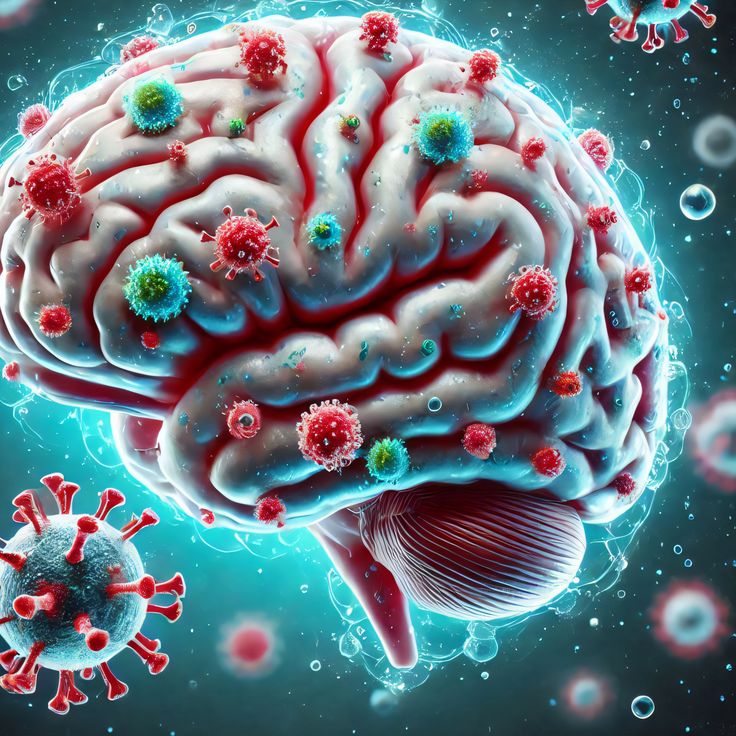
Pyogenic Meningitis: Clinical Features and Rehabilitation Approach

Pyogenic meningitis

Introduction Pyogenic meningitis is a life-threatening infection of the meninges caused by pus-forming (bacterial) organisms. It is a medical emergency that requires prompt diagnosis and treatment to prevent severe neurological damage and mortality. Definition Pyogenic meningitis is defined as an acute bacterial infection of the meninges, leading to inflammation, accumulation of purulent exudate, and increased …

Pyogenic Meningitis: Clinical Features and Rehabilitation Approach Read More »

Cerebral Palsy

Cerebral Palsy

Definition of Cerebral Palsy Cerebral palsy (CP)is a lifelong neurological condition that primarily affects movement, posture, and muscle coordination. It typically appears in early childhood and results from damage or abnormal development of the brain. Though not progressive or hereditary, its effects on movement cannot be fully corrected. Types of Cerebral Palsy CP presents in …

Cerebral Palsy Read More »