Spine

Spina Bifida in Children: Early Intervention and Rehabilitation

Spina Bifida

Introduction Spina Bifida is a birth defect that occurs when the spine and spinal cord don’t form properly. It falls under the umbrella of neural tube defects (NTDs), which are conditions affecting the brain, spinal cord or spine. Definition Spina bifida, a neural tube defect, is the result of the defective fusion of one or …

Spina Bifida in Children: Early Intervention and Rehabilitation Read More »
Understanding Cauda Equina Syndrome: A Neurological Emergency

admin ajax (2) (1)

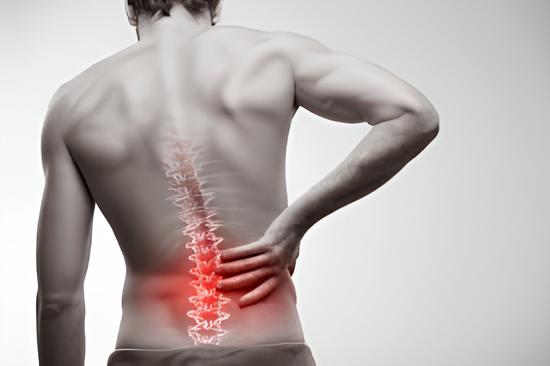
Introduction Cauda Equina Syndrome is seen in injuries below the level of  first lumbar vertebra. It is essentially an injury to the nerve roots below L1. Compression of these nerves can lead to permanent damage if not promptly treated, making CES a true aesculapian emergency.  Etiology  Cauda Equina Syndrome most commonly arises from a massive …

Understanding Cauda Equina Syndrome: A Neurological Emergency Read More »

Compression Fractures: Diagnosis, Complications, and Rehabilitation

admin ajax (4) (1)

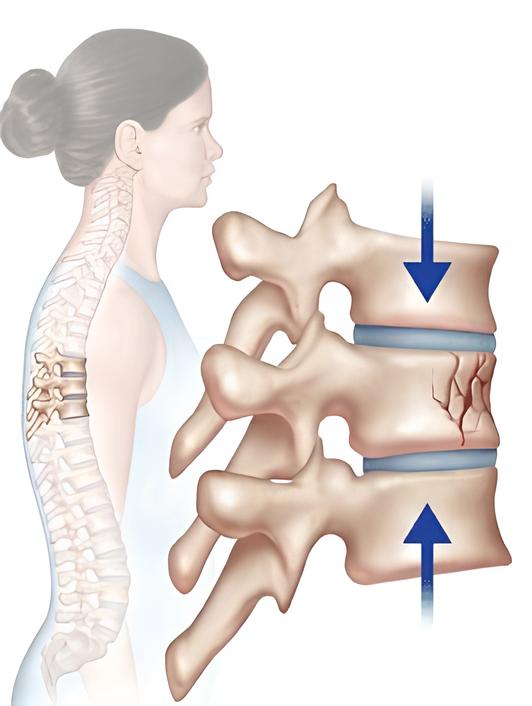
Introduction Compression Fractures is produced as a result of compressive forces on the bone. The bony mass gets compressed within itself. It is ungentlemanly in cancellous bones (e.g., vertebral body). Compression fractures of the spine are a common yet often impairing condition. Clinical Features  Investigation  Physiotherapy Management Physiotherapy plays a crucial role in recovery.  Risk …

Compression Fractures: Diagnosis, Complications, and Rehabilitation Read More »

Vertebro Basilar insufficiency

admin ajax (31) (1)

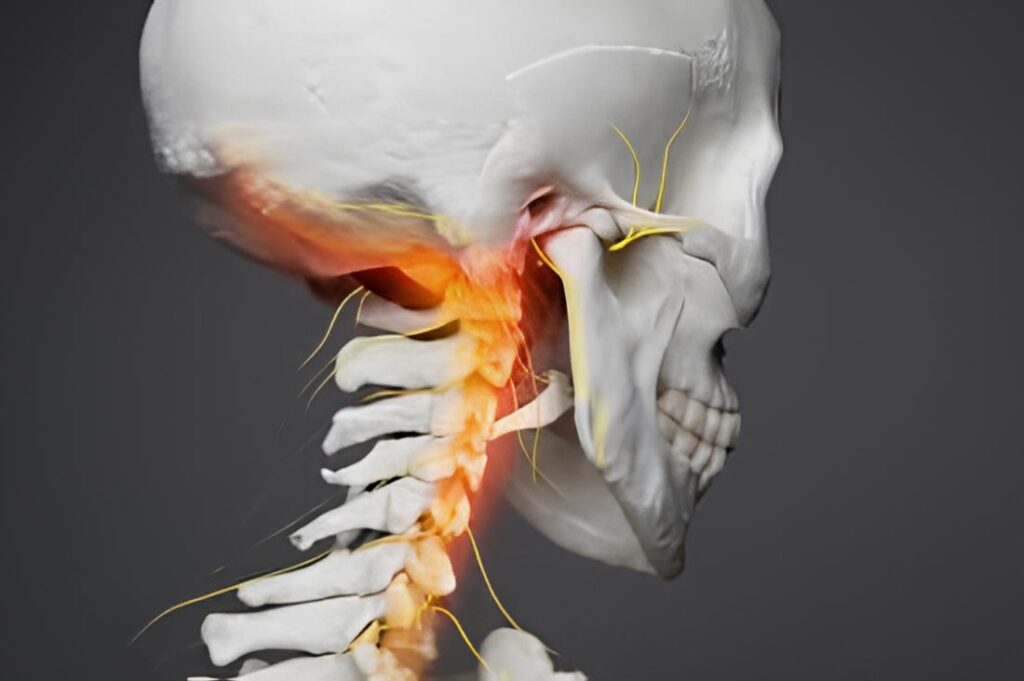
Vertebrobasilar insufficiency (VBI) occurs when blood flow to the back of the brain is reduced or blocked. This region controls essential functions like balance and movement. While many people with VBI experience only mild symptoms, the condition significantly increases the risk of stroke or a transient ischemic attack (TIA or mini-stroke). In severe cases, it …

Vertebro Basilar insufficiency Read More »