Introduction
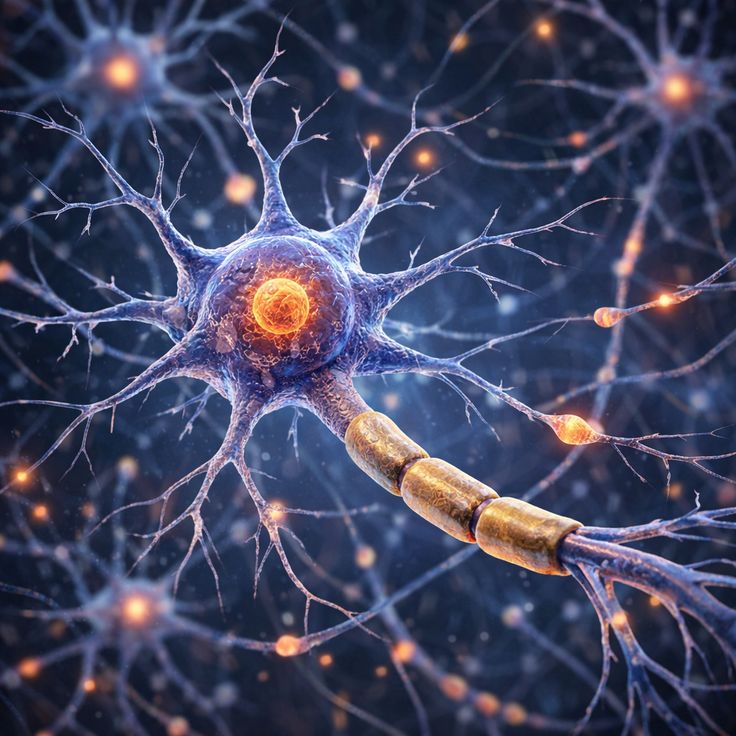
Axonotmesis is a moderate form of peripheral nerve injury that results in disruption of the axon while preserving the surrounding connective tissue. It commonly occurs due to trauma or compression and requires structured rehabilitation for optimal recovery.
Definition
Axonotmesis is defined as a nerve injury in which the axon is damaged, leading to loss of motor and sensory function, while the endoneurium, perineurium, or epineurium may remain partially intact, allowing potential for regeneration.
Etiology
- Severe compression or crush injuries
- Blunt trauma or fractures
- Stretch injuries due to sudden force
- Iatrogenic causes (e.g., surgical trauma)
- Prolonged ischemia (lack of blood supply)
Clinical Features
- Loss of voluntary motor function distal to injury
- Sensory deficits such as numbness or decreased sensation
- Muscle weakness progressing to paralysis
- Gradual recovery over weeks to months due to axonal regeneration
- Possible muscle atrophy in prolonged cases
Signs and Symptoms
- Flaccid paralysis of affected muscles
- Paresthesia (tingling, burning sensation)
- Loss of reflexes
- Decreased muscle tone
- Impaired coordination and functional limitations
Complications
- Muscle atrophy due to denervation
- Delayed or incomplete nerve recovery
- Joint stiffness and contractures
- Chronic pain or neuropathic pain
- Functional disability if untreated
Risk Factors
- High-impact trauma (road accidents, sports injuries)
- Improper limb positioning during surgery
- Occupational hazards involving repetitive strain
- Chronic diseases affecting circulation (e.g., diabetes)
- Delayed medical intervention
Physiotherapy Management
- Protection and Splinting: Prevent further nerve damage and maintain limb alignment
- Range of Motion (ROM) Exercises: Maintain joint flexibility and prevent stiffness
- Electrical Stimulation: Promote muscle activation in denervated muscles
- Pain Management: Modalities such as TENS, heat/cold therapy
- Strengthening Exercises: Gradual progression as reinnervation occurs
- Neuromuscular Re-education: Restore coordination and motor control
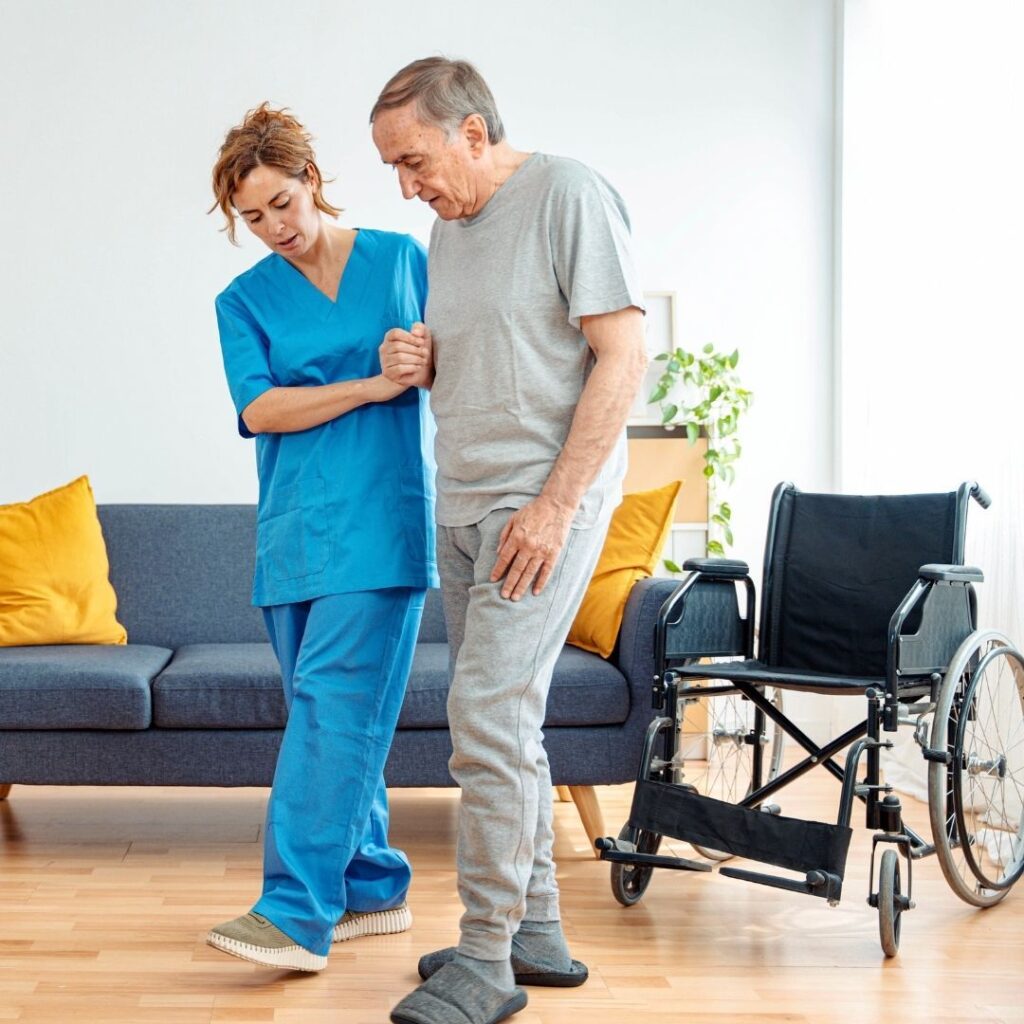
- Functional Training: Improve independence in daily activities
- Patient Education: Emphasize compliance and prevention of complications
Conclusion
Axonotmesis is a remarkable nerve injury with a variable but generally favorable prognosis due to the potential for nerve regeneration. Early diagnosis and a well-planned physiotherapy program are vital in minimizing problems, enhancing recovery, and restoring functional independence. A multidisciplinary approach ensures optimal outcomes.
What is Axonotmesis?
It is a nerve injury where the axon is damaged but connective tissue remains intact, allowing possible regeneration.
What are common symptoms of Axonotmesis?
Muscle weakness or paralysis, numbness, loss of reflexes, paresthesia, and impaired coordination.
What is the role of physiotherapy in Axonotmesis?
It aids recovery through ROM exercises, electrical stimulation, strengthening, neuromuscular re-education, and functional training.
Need Personalized Guidance for Physiotherapy?
Our senior certified therapists at Aaziban Care Center provide customized 1-on-1 evaluation and treatment plans at our care centers.