Introduction
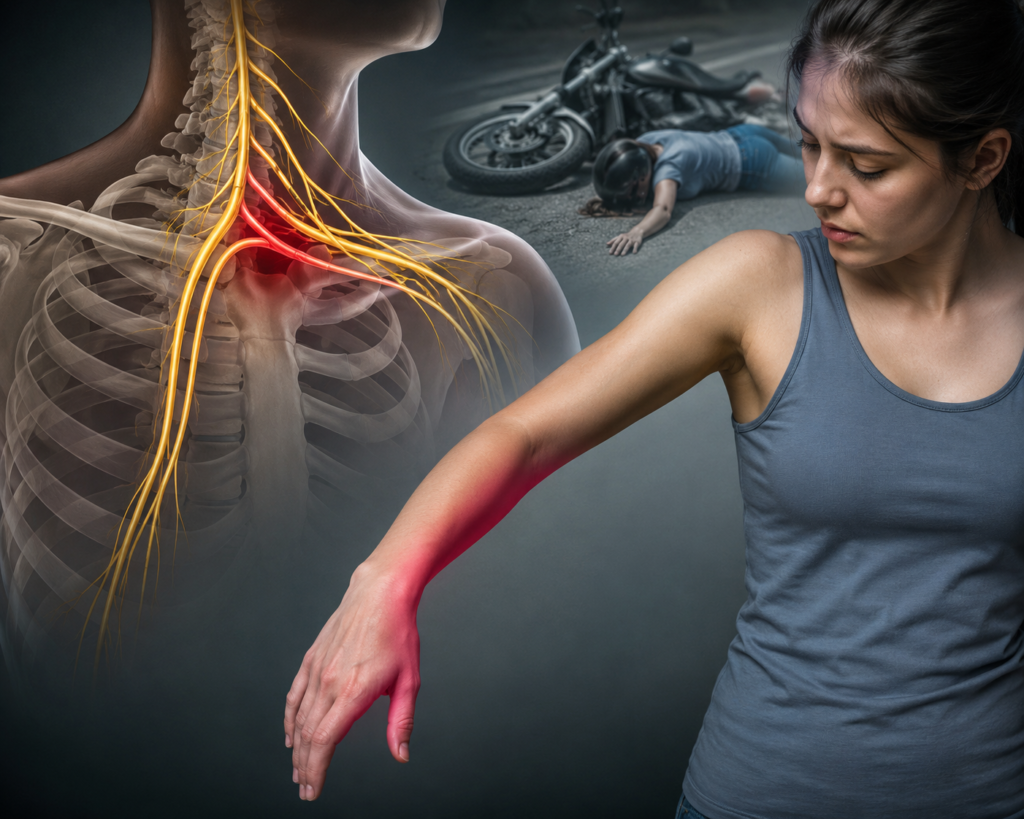
Klumpke’s palsy is a rare neurological condition affecting the lower part of the brachial plexus, primarily impacting hand and wrist function. It is often seen in newborns or after traumatic injuries in adults.
Definition
Klumpke’s palsy refers to paralysis caused by injury to the C8–T1 nerve roots of the brachial plexus, leading to weakness or loss of movement in the forearm and intrinsic hand muscles.
Etiology
- Birth trauma (difficult delivery, excessive traction on the arm)
- Tumors affecting the brachial plexus
- Sudden upward pull of the arm (e.g., grabbing during a fall)
- Road traffic accidents or industrial injuries
- Thoracic outlet compression
Clinical Features
- Weakness in hand grip
- Trouble with finger movements
- Clawing deformity of the hand
- Loss of fine motor skills
- Possible associated Horner’s syndrome (ptosis, miosis)
Signs and Symptoms
- “Claw hand” appearance due to intrinsic muscle paralysis
- Absent or Reduced reflexes in the affected limb
- Sensory loss along the medial arm and forearm
- Muscle wasting in chronic cases
- Tingling or numbness in fingers
Complications
- Permanent hand deformity
- Contractures and Joint Stiffness
- Muscle atrophy
- Psychological impact due to loss of hand function
- Functional disability in daily activities
Risk Factors
- Prolonged or difficult labor during childbirth
- High-impact trauma (falls, accidents)
- Improper handling of newborns
- Repetitive overhead activities
- Presence of tumors in the upper chest region
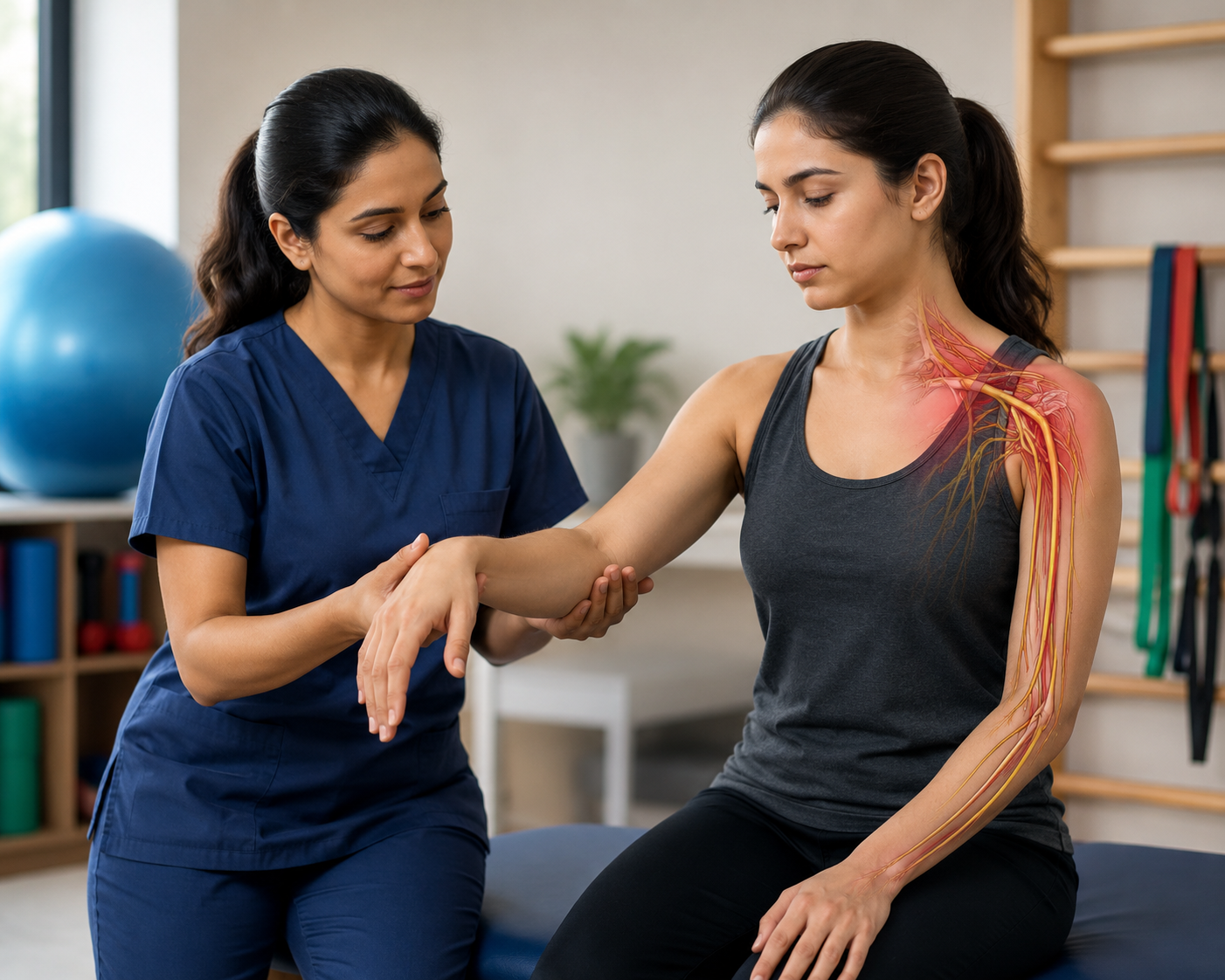
Physiotherapy Management
- Early Intervention: prevent contractures and maintain joint mobility
- Strengthening Exercises: Focus on recovering muscle power
- Passive Range of Motion Exercises: Preserve flexibility
- Splinting: Prevent claw hand deformity and improve positioning
- Neuromuscular Electrical Stimulation (NMES): Promote muscle activation
- Sensory Re-education: Enhance sensory recovery
- Functional Training: Improve hand coordination and daily activities
- Postural Training: Address compensatory patterns
Conclusion
Klumpke’s Palsy importantly affects hand function and quality of life. Early diagnosis and structured physiotherapy management are essential for optimal recovery. A multidisciplinary approach can help restore function and prevent long-term complications.
What is Klumpke’s palsy?
It is paralysis due to injury of C8–T1 nerve roots, affecting hand and forearm function.
What are common signs of Klumpke’s palsy?
Claw hand deformity, weak grip, sensory loss in the medial arm, and muscle wasting.
What is the role of physiotherapy in Klumpke’s palsy?
It helps through ROM exercises, strengthening, splinting, sensory re-education, and functional training.
Need Personalized Guidance for Physiotherapy?
Our senior certified therapists at Aaziban Care Center provide customized 1-on-1 evaluation and treatment plans at our care centers.