

Introduction
Dysarthria is a motor speech disorder resulting from neurological impairment that affects the muscles used for speech production. It can significantly impact communication, social interaction, and overall quality of life. Individuals with dysarthria may have difficulty controlling the muscles of the lips, tongue, vocal cords, and diaphragm, leading to unclear or slow speech. Early recognition and appropriate rehabilitation are essential for improving communication abilities.
Definition
Dysarthria is defined as a speech disorder caused by weakness, paralysis, or incoordination of the muscles involved in speech production. It affects the clarity, speed, strength, and coordination of speech without affecting language comprehension.
Etiology
Dysarthria occurs due to damage to the central or peripheral nervous system. Common causes include:
- Stroke or cerebrovascular accidents
- Parkinson’s disease
- Traumatic brain injury
- Multiple sclerosis
- Cerebral palsy
- Brain tumors
- Motor neuron diseases such as amyotrophic lateral sclerosis (ALS)
- Infections or degenerative neurological conditions
These conditions disrupt the neural pathways responsible for controlling the muscles used in speech.
Clinical Features
Common signs and symptoms of dysarthria include:
- Slurred or slow speech
- Difficulty articulating words
- Decreased voice volume (hypophonia)
- Irregular speech rhythm
- Monotone speech pattern
- Nasal or breathy voice quality
- Difficulty controlling tongue and lip movements
- Decreased speech intelligibility
These symptoms may vary depending on the severity and underlying neurological condition.
Complications
If not properly managed, dysarthria may lead to several complications, including:
- Communication difficulties and social isolation
- Difficulty participating in daily activities
- Reduced confidence and emotional distress
- Swallowing problems (dysphagia) in severe cases
- Reduced quality of life
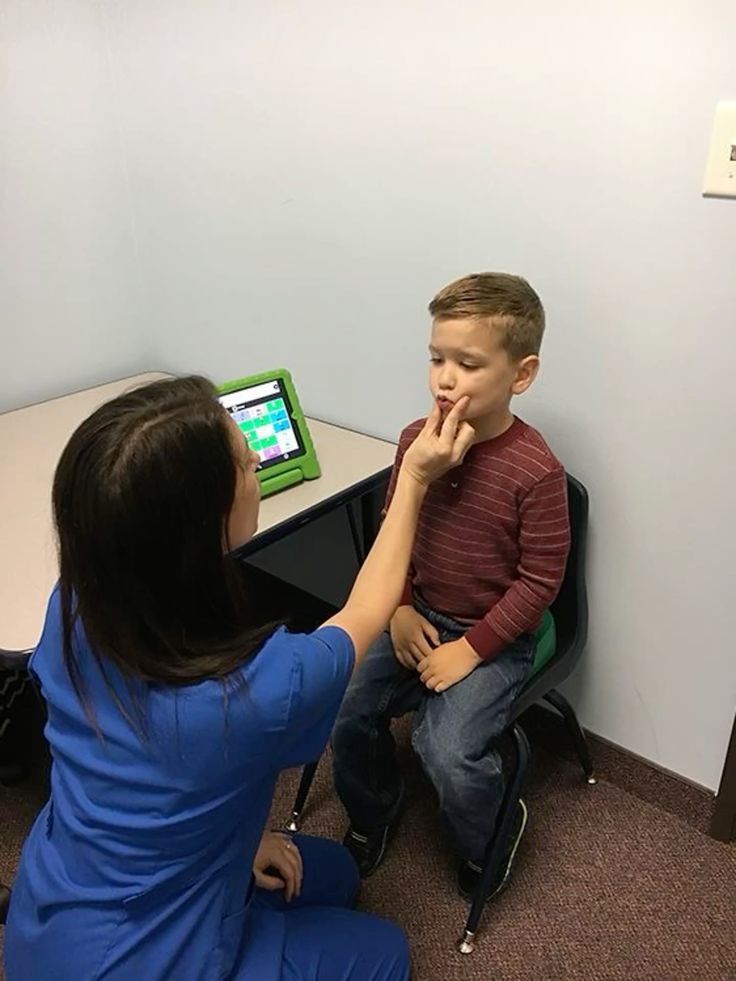
Physiotherapy Management
Physiotherapy and rehabilitation can support individuals with dysarthria by improving respiratory control, posture, and muscle coordination:
- Breathing exercises to improve respiratory support for speech
- Orofacial muscle strengthening exercises
- Coordination exercises for facial and oral muscles
- Postural correction to facilitate better speech control
- Relaxation techniques to decrease muscle tension
- Functional communication training
- Collaboration with speech-language therapists for speech training
A multidisciplinary rehabilitation approach helps enhance communication ability and overall functional independence.
Conclusion
Dysarthria is a challenging motor speech disorder caused by neurological damage affecting speech muscles. Although it can significantly impact communication and daily life, early diagnosis and comprehensive rehabilitation can improve speech clarity and quality of life. Physiotherapy, combined with speech therapy, plays a vital role in enhancing motor control and communication outcomes.
What is dysarthria?
Answer: Dysarthria is a motor speech disorder caused by weakness or poor coordination of the muscles used for speech, leading to unclear or slow speech.
What are common symptoms of dysarthria?
Answer: Symptoms include slurred speech, difficulty articulating words, low voice volume, irregular speech rhythm, and poor control of tongue and lip movements
How is dysarthria managed in rehabilitation?
Answer: Management includes breathing exercises, orofacial muscle strengthening, coordination training, postural correction, and speech therapy to improve communication ability.