
Introduction
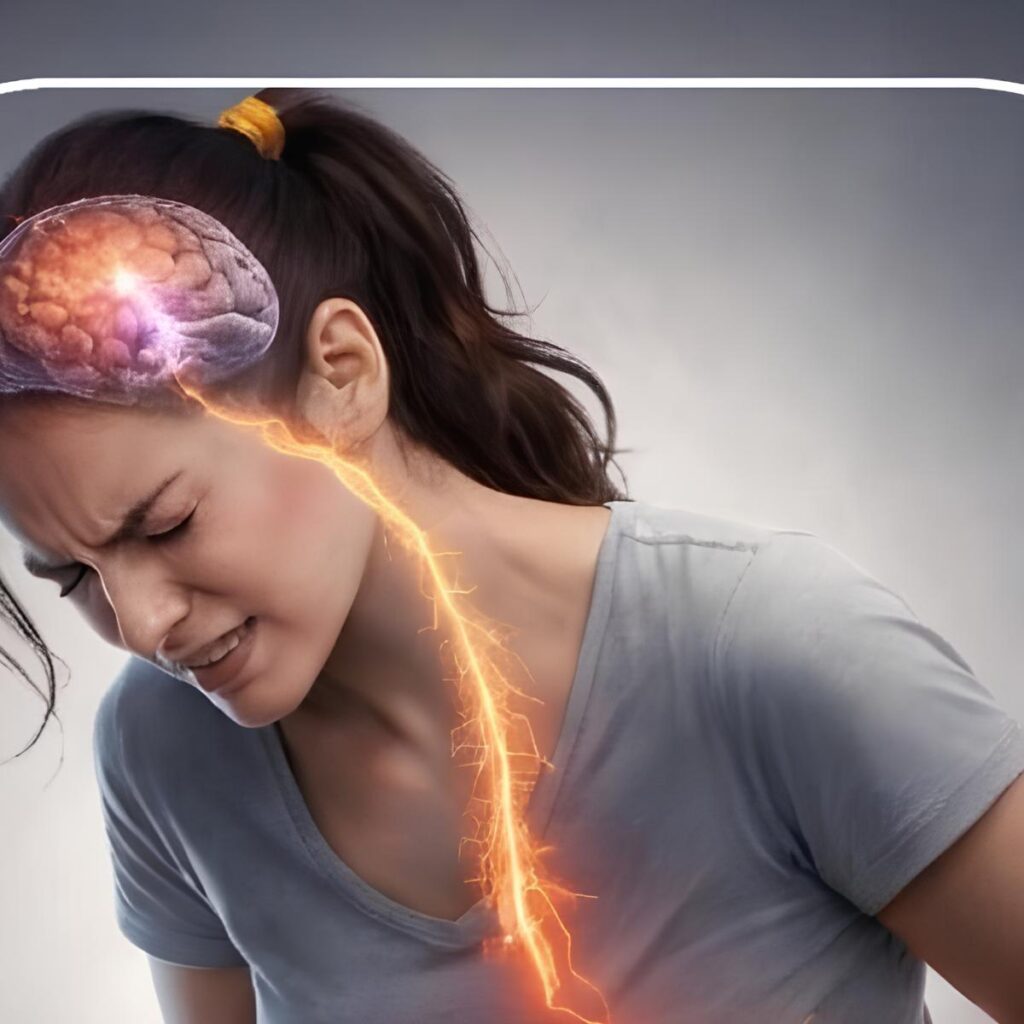
Spinocerebellar Ataxia (SCA) is a group of progressive neurological disorders that primarily affect coordination, balance, and speech. The condition results from degeneration of the cerebellum and its associated pathways, leading to gradual functional decline. Early recognition and supportive rehabilitation are essential to maintain independence and quality of life.
Definition
Spinocerebellar Ataxia is a hereditary neurodegenerative disorder characterized by progressive ataxia due to degeneration of the cerebellum, spinal cord, and sometimes the brainstem.
Etiology
- Genetic mutations, most commonly autosomal dominant inheritance
- Family history of ataxia
- Rarely, recessive genetic forms
Clinical Features
- Progressive gait ataxia
- Poor balance and frequent falls
- Slurred or scanning speech (dysarthria)
- Limb incoordination
- Nystagmus and impaired eye movements
- Tremors and muscle weakness
- Difficulty with fine motor activities
- In advanced stages: swallowing difficulty and fatigue
Classification
Spinocerebellar Ataxia is classified based on genetic type:
- SCA Type 1 – Ataxia with pyramidal signs
- SCA Type 2 – Slow eye movements
- SCA Type 3 – Most common type
- SCA Type 6 – Pure cerebellar ataxia with late onset
- SCA Type 7 – Ataxia with visual impairment
- SCA Type 8 and others – Variable neurological involvement
Physiotherapy Management
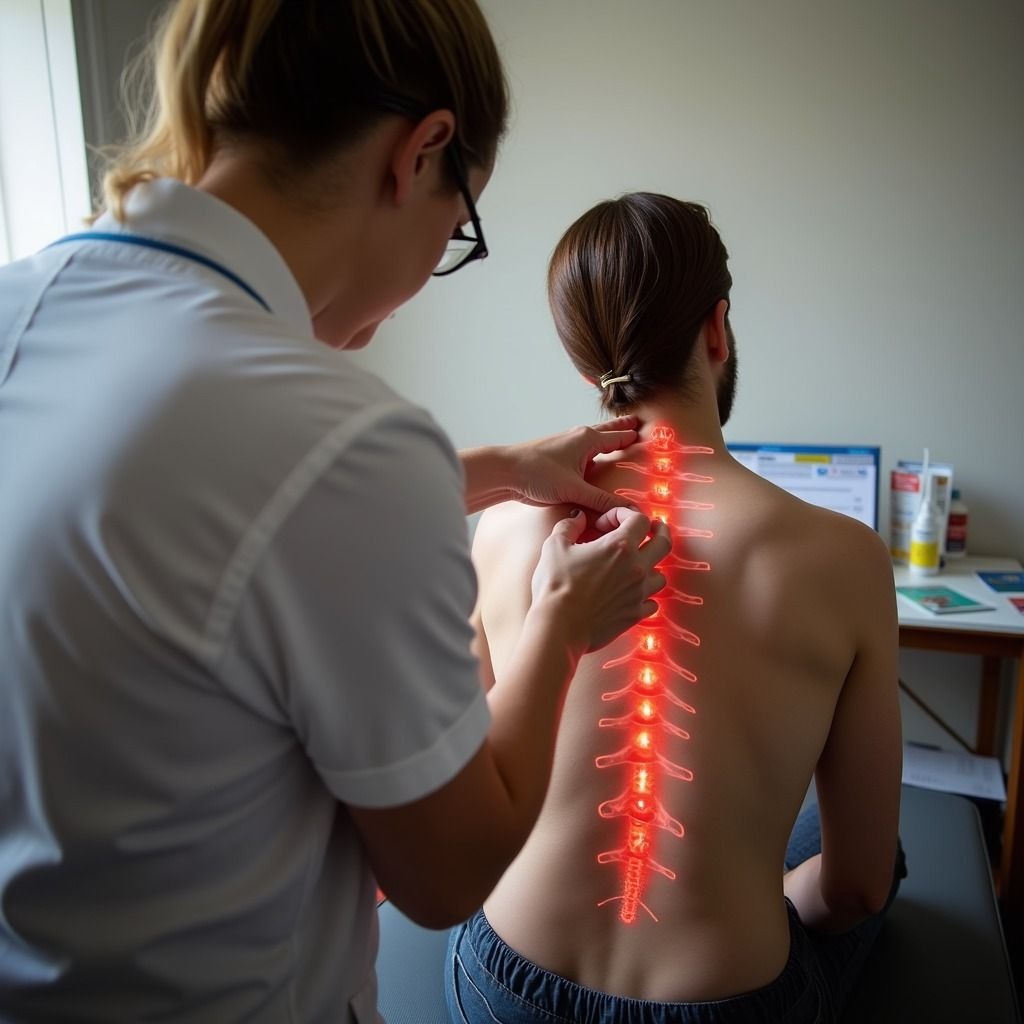
Physiotherapy plays a vital role in slowing functional decline and improving safety:
- Balance and coordination training
- Gait training with or without an assistive device
- Postural control and core stabilization exercises
- Strengthening exercises for trunk and limb muscles
- Frenkel’s exercises for coordination
- Functional task-oriented training
- Fall prevention strategies and home safety education
- Respiratory exercises in advanced cases
risk factors
- Family history of ataxia
- Autosomal dominant genetic inheritance
- Genetic mutations affecting cerebellar function
- Inherited trinucleotide repeat expansions
- Adult-onset genetic susceptibility
complications
- Progressive gait instability and frequent falls
- Severe balance and coordination impairment
- Loss of independent mobility
- Swallowing problems (dysphagia) leading to aspiration risk
- Muscle weakness and fatigue
- Fine motor skill deterioration affecting daily activities
Conclusion
Spinocerebellar Ataxia is a progressive neurological disorder with no definitive cure. However, early diagnosis and consistent physiotherapy can remarkably enhance functional abilities, delay complications, and improve quality of life. A multidisciplinary approach remains the cornerstone of effective management.
Q1. What is Spinocerebellar Ataxia (SCA)?
A. Spinocerebellar Ataxia is a hereditary, progressive neurological disorder causing loss of balance, coordination, and speech due to cerebellar degeneration.
Q2. What are the common clinical features of Spinocerebellar Ataxia?
A. Common features include gait ataxia, poor balance, limb incoordination, slurred speech, tremors, and frequent falls.
Q3. How does physiotherapy help in managing Spinocerebellar Ataxia?
A. Physiotherapy improves balance, strength, coordination, and safety, helping slow functional decline and enhance quality of life.