Introduction
Hypophonia is a common speech disorder often observed in neurological conditions. It is characterized by a decreased voice volume that makes speech difficult to hear and understand. This condition remarkably affects communication, social interaction, and quality of life. Early recognition and proper rehabilitation strategies are important for improving speech clarity and functional communication.
Definition
Hypophonia refers to an abnormally soft or weak voice caused by decreased vocal intensity. It commonly occurs due to impaired coordination of the respiratory, laryngeal, and articulatory muscles involved in speech production. The condition is frequently associated with neurological disorders, particularly Parkinson’s disease.
Etiology
Hypophonia may result from several underlying causes, including:
- Parkinson’s disease and other movement disorders
- Weakness of the respiratory and laryngeal muscles
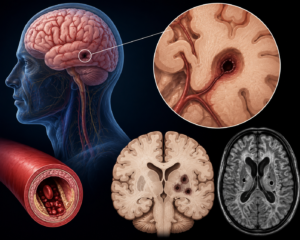
- Neurological conditions affecting the basal ganglia
- Decreased motor control of speech-related muscles
- Aging-related changes in voice production
- Brain injury or neurodegenerative diseases
Dopamine deficiency and impaired neural control of the speech muscles often contribute to decreased vocal intensity.
Clinical Features
Common signs and symptoms of hypophonia include:
- Soft or weak voice during conversation
- Monotonous speech pattern
- Difficulty projecting the voice
- Deceased speech clarity
- Short phrases due to decreased breath support
- Reduced facial expression and speech modulation
- Difficulty being heard in noisy environments
These symptoms may interfere with effective communication and social participation.
Complications
If left untreated, hypophonia may lead to several complications:
- Communication difficulties in daily life
- Emotional distress or reduced confidence
- Social withdrawal and decreased interaction
- Misinterpretation of speech by listeners
- Decreased quality of life

Physiotherapy Management
Physiotherapy and speech therapy interventions play a cricial role in managing hypophonia:
- Breathing exercises: Improve respiratory support for speech
- Postural correction exercises: Enhance breathing efficiency
- Voice amplification training: Increase vocal loudness and clarity
- Speech practice exercises: Improve articulation and vocal control
- LSVT LOUD therapy: A specialized voice therapy for Parkinson’s disease
- Facial muscle exercises: Improve expression and articulation
- Patient education: Encourage effective communication strategies
A multidisciplinary approach involving physiotherapists, speech therapists, and neurologists provides the best outcomes.
Conclusion
Hypophonia is a disabling speech disorder commonly associated with neurological conditions such as Parkinson’s disease. Although it can outstandingly affect communication and social participation, early diagnosis and structured rehabilitation programs can greatly improve voice intensity, speech clarity, and overall quality of life.
What is hypophonia?
Answer: Hypophonia is a speech disorder characterized by an abnormally soft or weak voice caused by reduced vocal intensity and poor coordination of speech muscles.
What are common symptoms of hypophonia?
Answer: Symptoms include a soft voice, monotonous speech, reduced speech clarity, difficulty projecting the voice, and short phrases due to decreased breath support.
How is hypophonia managed?
Answer: It is managed through breathing exercises, voice amplification training, speech therapy (such as LSVT LOUD), facial muscle exercises, and postural correction to improve vocal intensity and communication.
Need Personalized Guidance for Physiotherapy?
Our senior certified therapists at Aaziban Care Center provide customized 1-on-1 evaluation and treatment plans at our care centers.