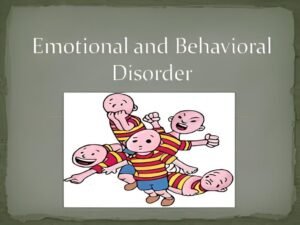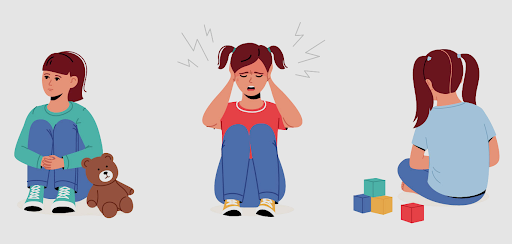
Autism Spectrum Disorder (ASD) is a neurodevelopment condition that affects how a child communicates, understands language, interacts with others and responds to their environment. It is referred to as a “spectrum” because the presentation and severity of symptoms vary widely among individuals. Autism typically emerges in early childhood and can influence a child’s overall developmental across multiple domains, including language, cognition, and adaptive functioning. Autism is not a disease; it is a lifelong developmental condition and early identification and goal-based intervention are strongly associated with improved developmental outcomes.
Early sings:
Early signs are the first noticeable differences in a child’s development compared to typical developmental milestones. These signs usually appear during infancy or toddlerhood, often between 12–24 months of age. Recognizing early signs helps parents and professionals seek timely assessment and early intervention support.
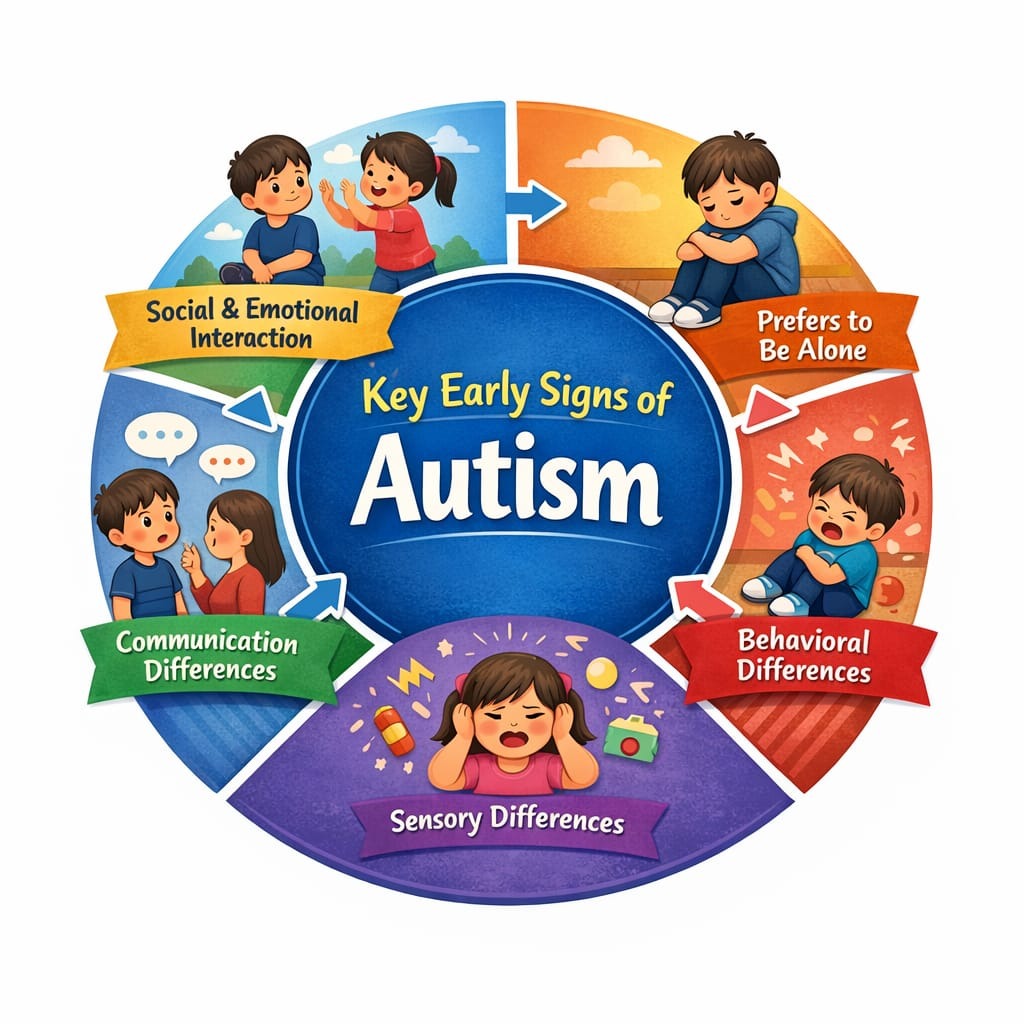
Key Early Signs of Autism (Infancy to 2 Years)
Social & Emotional Interaction:
- Poor or limited eye contact
- Does not respond consistently to their name
- Limited or no social smile
- Does not point to show interest or request something
- Does not use gestures like waving, clapping, or nodding
- Limited joint attention (doesn’t show or share objects of interest with others)
- Prefers to play alone most of the time
Communication Differences:
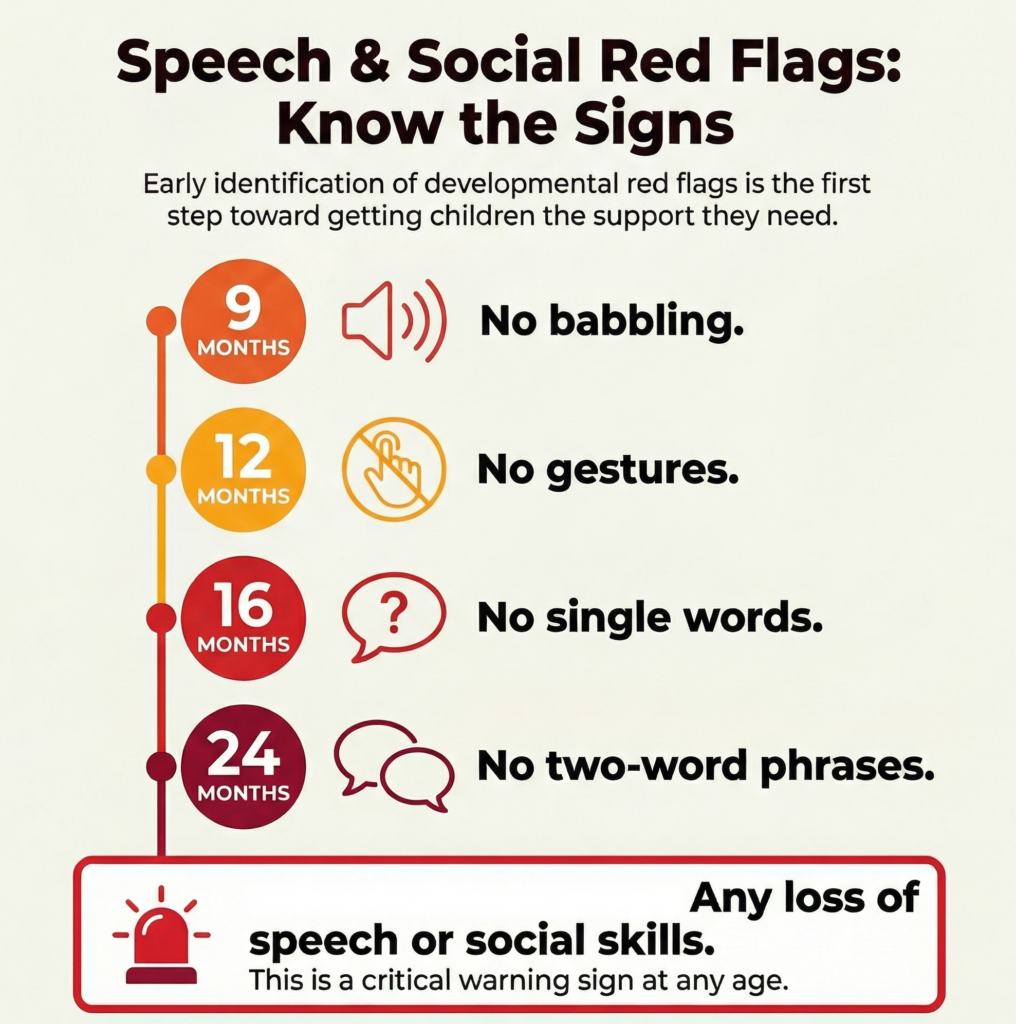
- No meaningful words by 12–15 months
- No two-word phrases by 24 months
- Loss of previously acquired words(Regression in developmental milestones & skills)
- Repeats words or phrases (echolalia)
- Limited use of communication to express needs
Behavioral Differences
- Repetitive movements (hand flapping, rocking, spinning)
- Lines up toys or focuses on parts of objects (e.g., wheels)
- Limited or absent pretend play
- Strong preference for routines; upset with small changes
- Unusual attachment to specific objects
Sensory Differences
- Overreacts or under reacts to sounds, lights, touch, or textures
- Covers ears to normal sounds
- Very selective eating (texture preference)
- Seeks sensory input (spinning, jumping excessively)
Physical Differences:
- Walking on toes or stiff/unusual body language.
When Should I Seek Help?
After learning or knowing about the early signs of Autism Spectrum Disorder (ASD), it is important to understand when professional evaluation becomes necessary.
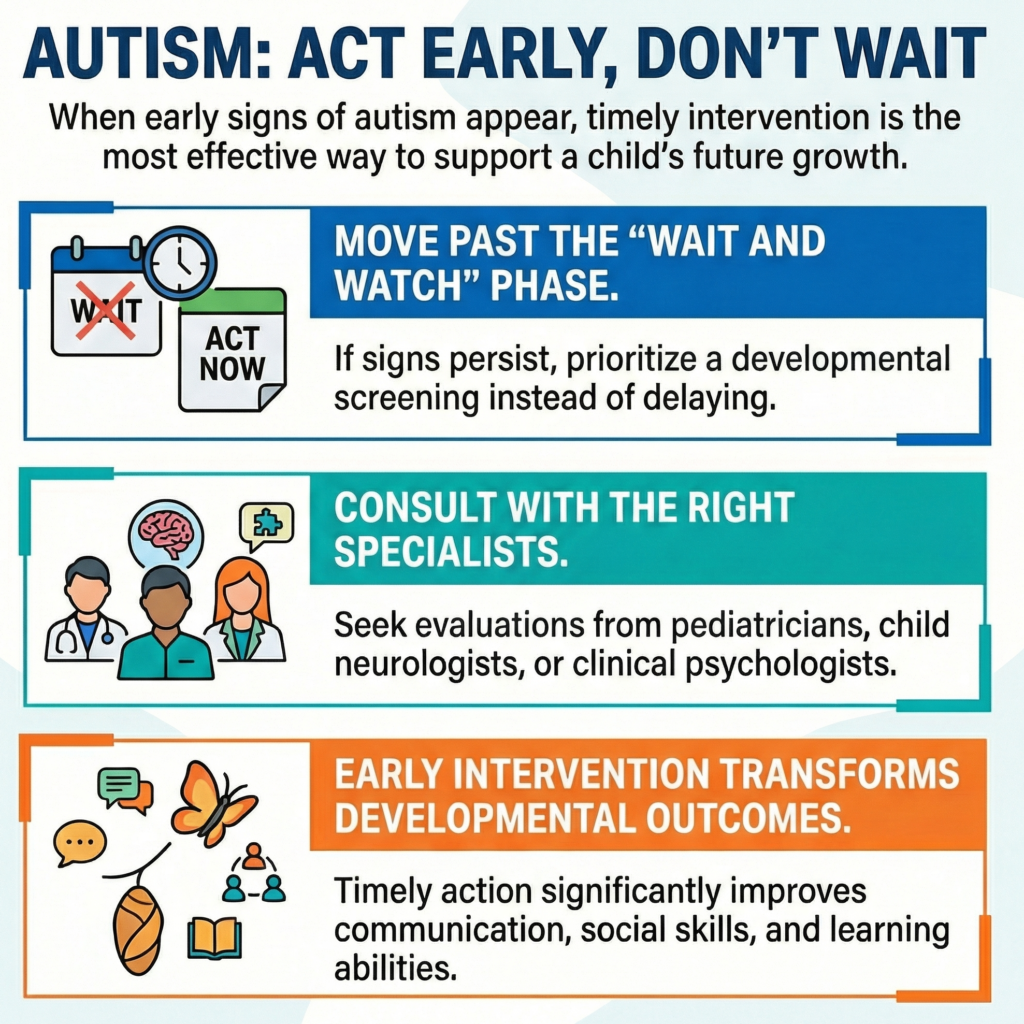
If multiple signs are present and continue over time, it is important not to depend only on a “wait and watch” approach. Instead of delaying, seeking a timely developmental screening can help clarify concerns and guide the next steps. Consultation with a pediatrician, developmental specialist, clinical psychologist, or child neurologist can provide a comprehensive evaluation.
Early identification and intervention play a crucial role in improving a child’s communication, social interaction, learning abilities, and overall functional development.
Final Takeaway:
Early signs of Autism Spectrum Disorder (ASD) often appear during infancy and toddlerhood and may involve differences in social interaction, communication, behavior, and sensory responses. Recognizing these signs early is essential because timely screening and professional evaluation can lead to early intervention, which significantly improves a child’s communication, learning, and overall development. If parents or caregivers notice multiple early signs, seeking guidance from qualified professionals is highly recommended. For specialized assessment and therapy support, you can visit Aaziban Care Center. Early awareness and intervention can make a meaningful difference in a child’s developmental journey.
1. What are the earliest signs of Autism Spectrum Disorder (ASD)?
Early signs of Autism Spectrum Disorder (ASD) usually appear between 12–24 months of age. Common signs include limited eye contact, not responding to their name, delayed speech, repetitive behaviors such as hand flapping, and reduced social interaction like not pointing or sharing interest with others.
2. At what age can autism symptoms start to appear?
Autism symptoms can begin to appear during infancy or toddlerhood, often before the age of 2 years. Some children may show delays in speech, lack of gestures, or differences in social communication during this early developmental stage.
3. When should parents seek professional help for autism signs?
Parents should seek professional help if they notice multiple early signs that persist over time, such as delayed speech, lack of social interaction, repetitive behaviors, or unusual sensory responses. Early developmental screening and consultation with specialists can help determine the next steps.
4. Why is early intervention important for children with autism?
Early intervention is important because it can significantly improve a child’s communication skills, social interaction, learning abilities, and overall development. Identifying autism early allows children to receive targeted support and therapies that help them reach their full potential.
Need Personalized Guidance for Special Education?
Our senior certified therapists at Aaziban Care Center provide customized 1-on-1 evaluation and treatment plans at our care centers.