Introduction
Heart valve surgery is a specialized cardiac procedure performed to repair or replace damaged heart valves that disrupt normal blood flow through the heart. Diseased valves can lead to heart failure and other serious complications if not treated on time. Advances in surgical techniques and postoperative rehabilitation have remarkably improved patient outcomes.
Indications
Heart valve surgery is recommended when valve dysfunction becomes severe or symptomatic. Common indications include:
- Severe valve stenosis or regurgitation
- Rheumatic heart disease
- Congenital valve abnormalities
- Degenerative valve disease
- Infective endocarditis with structural damage
- Heart failure due to valve dysfunction
- Decreased cardiac output affects daily activities
Contraindications
Surgery may be delayed or avoided in certain situations, such as:
- Severe uncontrolled infection
- Advanced multi-organ failure
- End-stage heart disease is not amenable to surgery
- Poor surgical fitness due to severe comorbidities
- High operative risk outweighs potential benefits
Signs and Symptoms
Patients requiring heart valve surgery may present with:
- Shortness of breath, especially on exertion
- Chest pain or palpitations
- Fatigue and decreased exercise tolerance
- Swelling of ankles or feet
- Dizziness or fainting episodes
- Irregular heartbeat
- Cyanosis in advanced cases
Physiotherapy Management
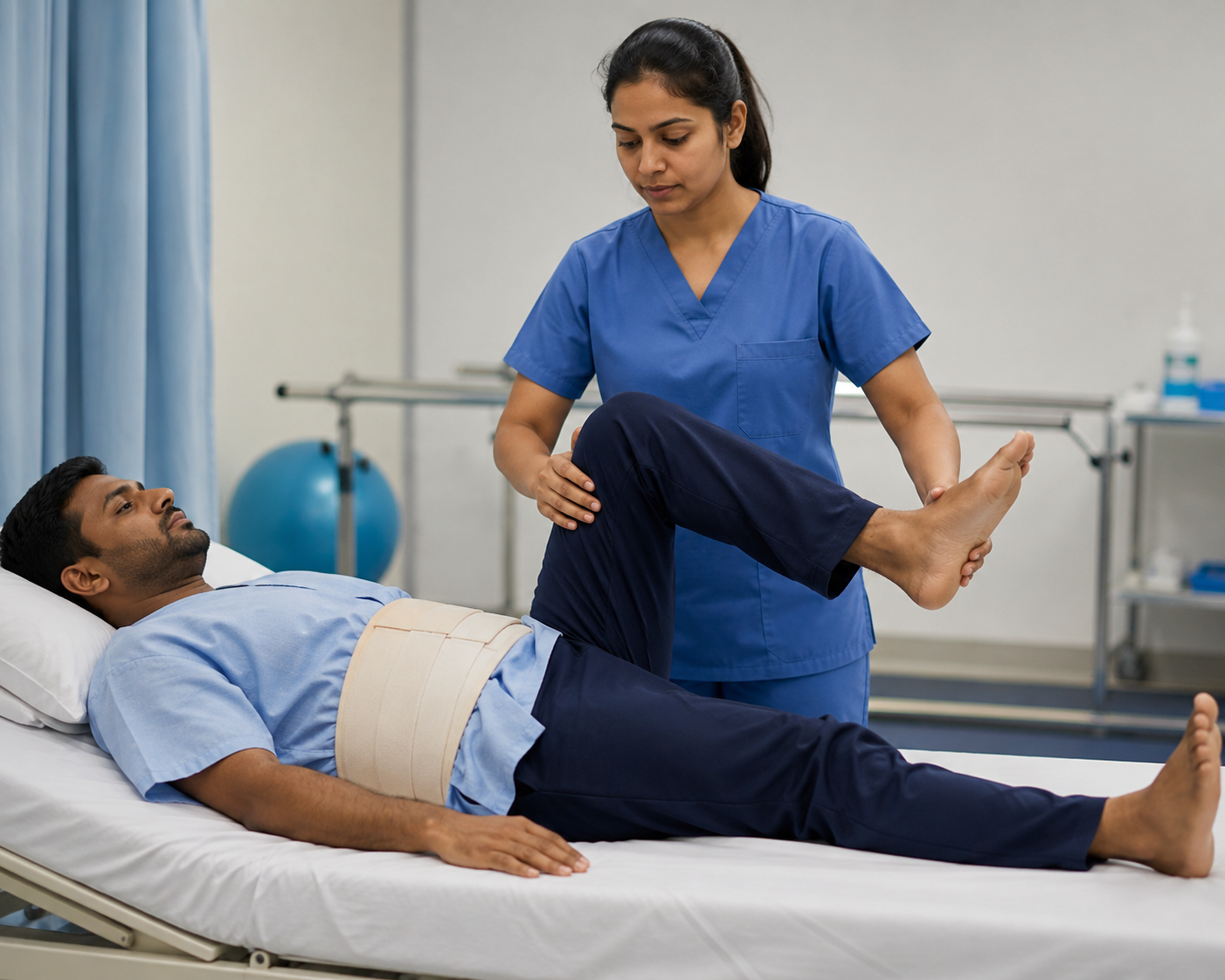
Physiotherapy plays a crucial role in pre- and post-operative recovery. Key components include:
- Preoperative breathing exercises and patient education
- Postoperative chest physiotherapy to prevent pulmonary complications
- Early mobilization to improve circulation and decrease hospital stay
- Breathing and coughing techniques to enhance lung expansion
- Gradual aerobic conditioning to improve endurance
- Postural correction and upper limb mobility exercises
- Monitoring vital signs and exercise tolerance
- Education on lifestyle modification and activity pacing
A structured cardiac rehabilitation program ensures safe recovery and improved quality of life.
Complications
Possible complications following heart valve surgery include:
- Infection
- Bleeding or thromboembolism
- Valve dysfunction or failure
- Arrhythmias
- Stroke
- Respiratory complications
- Reduced exercise tolerance
Conclusion
Heart valve surgery is a life-saving intervention for patients with severe valvular heart disease. Early diagnosis, appropriate surgical management, and comprehensive physiotherapy rehabilitation are essential for optimal recovery. A multidisciplinary approach remarkably enhances functional capacity and long-term outcomes.
Q1. What is heart valve surgery?
Heart valve surgery is a cardiac procedure to repair or replace damaged heart valves to restore normal blood flow.
Q2. When is heart valve srgery indicated?
It is indicated in severe valve stenosis or regurgitation, rheumatic disease, congenital defects, or heart failure due to valve dysfunction.
Q3. What is the role of physiotherapy after heart valve surgery?
Physiotherapy improves lung function, promotes early mobility, enhances endurance, and supports safe cardiac rehabilitation.
Need Personalized Guidance for Physiotherapy?
Our senior certified therapists at Aaziban Care Center provide customized 1-on-1 evaluation and treatment plans at our care centers.