Introduction
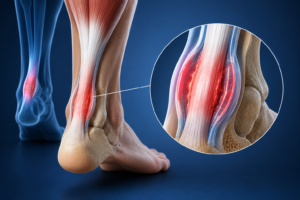
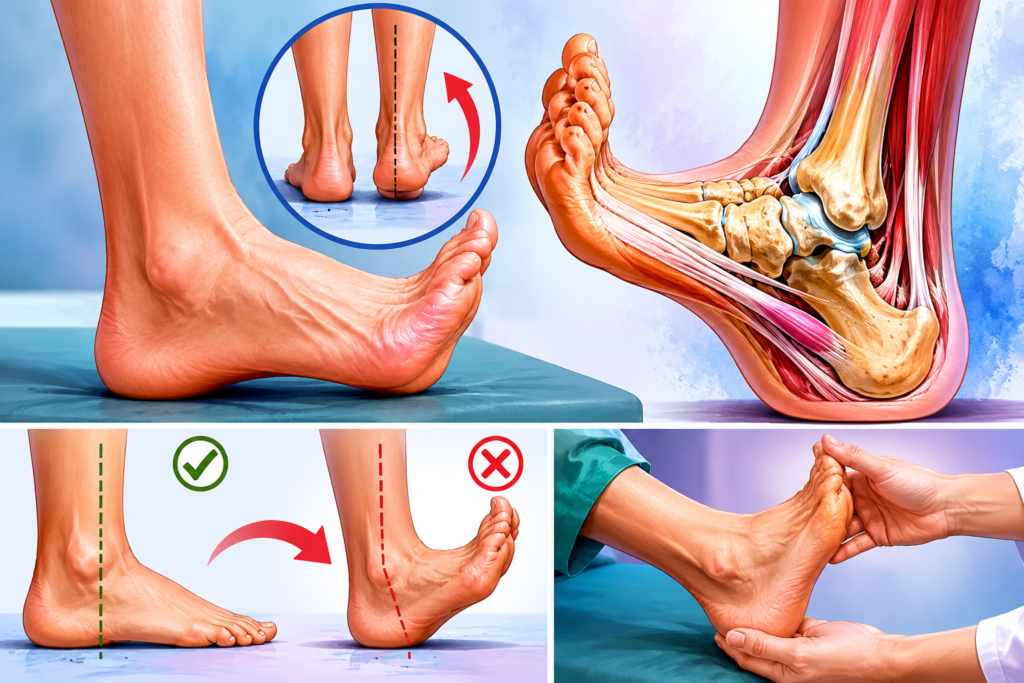
Dorsiflexion deformity is a condition in which the foot remains excessively bent upward toward the shin. This abnormal positioning can affect standing, walking, balance, and overall lower-limb function. The deformity may be congenital or acquired and often requires early intervention to prevent long-term disability. Physiotherapy plays a vital role in restoring mobility and improving functional outcomes.
Definition
Dorsiflexion deformity refers to an abnormal posture of the foot and ankle in which the ankle remains fixed or excessively positioned in dorsiflexion. The condition may result from muscular imbalance, trauma, neurological disorders or congenital abnormalities.
Etiology
Common causes of dorsiflexion deformity include:
- Congenital foot deformities.
- Muscle weakness or paralysis of the calf muscles.
- Neurological disorders such as cerebral palsy.
- Peripheral nerve injuries.
- Traumatic injuries to the ankle or lower limb.
- Muscular dystrophies and other neuromuscular conditions.
- Prolonged immobilization in an improper position.
Clinical Features
Characteristic clinical features include:
- Excessive upward positioning of the foot.
- Altered foot alignment.
- Limited plantarflexion movement.
- Difficulty maintaining normal posture during standing.
- Changes in gait mechanics.
- Decreased push-off during walking.
Signs and Symptoms
Patients may experience:
- Difficulty walking or running.
- Foot instability during weight-bearing activities.
- Frequent tripping or loss of balance.
- Abnormal gait pattern.
- Decreased ankle range of motion.
- Muscle weakness around the ankle joint.
- Fatigue during prolonged walking.

Physiotherapy Management
Physiotherapy is essential for improving mobility and function.
- Stretching exercises to maintain ankle flexibility.
- Range-of-motion exercises to improve joint mobility.
- Strengthening exercises for plantarflexor muscles.
- Balance and proprioceptive training.
- Gait training to promote normal walking patterns.
- Use of orthotic devices when indicated.
- Functional exercises to improve daily activities.
- Regular assessment and monitoring of progress.
- Parent and caregiver education in pediatric cases.
Complications
If untreated, dorsiflexion deformity may lead to:
- Persistent gait abnormalities.
- Joint stiffness.
- Muscle weakness and imbalance.
- Decreased mobility and independence.
- Increased risk of falls.
- Difficulty participating in physical activities.
- Secondary musculoskeletal problems.
Risk Factors
Factors that increase the risk include:
- Neurological disorders.
- Peripheral nerve injuries.
- Congenital musculoskeletal abnormalities.
- Previous trauma to the ankle or foot.
- Prolonged immobilization.
- Neuromuscular diseases.
- Inadequate rehabilitation following injury.
Conclusion
Dorsiflexion deformity can noticeably affect mobility, balance, and quality of life. Early diagnosis and appropriate physiotherapy intervention are vital for correcting abnormal foot positioning, improving gait, and preventing complications. With timely treatment and rehabilitation, many individuals can achieve better functional outcomes and maintain independence in daily activities.
What is dorsiflexion deformity?
Answer: Dorsiflexion deformity is a condition where the foot remains excessively bent upward toward the shin, affecting walking, balance, and mobility.
What are the common causes of dorsiflexion deformity?
Answer: Common causes include congenital foot deformities, neurological disorders, muscle weakness, peripheral nerve injuries, trauma, and prolonged immobilization.
How is dorsiflexion deformity managed with physiotherapy?
Answer: Physiotherapy includes stretching, strengthening, range-of-motion exercises, balance training, gait training, and the use of orthotic devices to improve function and mobility.
Need Personalized Guidance for Physiotherapy?
Our senior certified therapists at Aaziban Care Center provide customized 1-on-1 evaluation and treatment plans at our care centers.