Introduction
Gerstmann’s syndrome is a rare neurological disorder characterized by a cluster of cognitive and perceptual deficits. It typically arises due to damage in specific regions of the brain, particularly the dominant parietal lobe. The syndrome considerably affects daily functional abilities and academic skills.
Definition
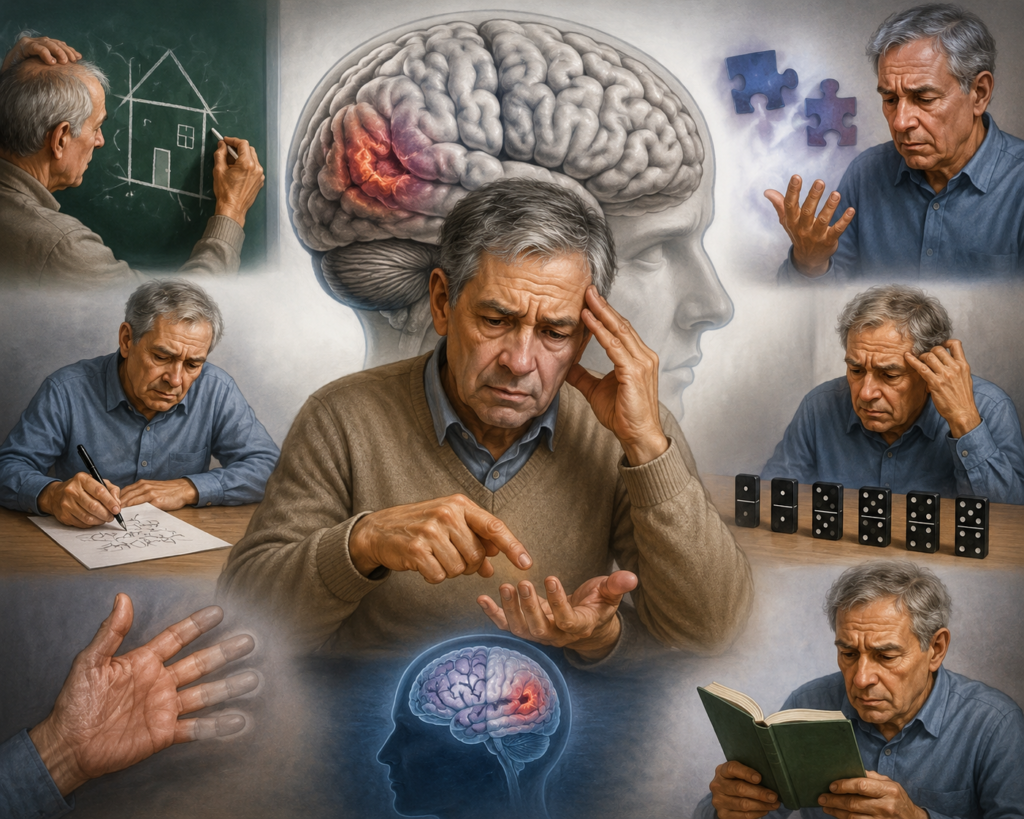
Gerstmann’s syndrome is defined as a neuropsychological condition marked by four primary deficits: agraphia (writing difficulty), acalculia (difficulty in calculations), finger agnosia (inability to recognize fingers), and left-right disorientation.
Etiology
Common causes include:
- Stroke affecting the dominant parietal lobe (most common)
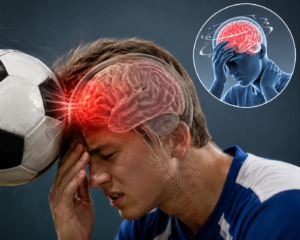
- Traumatic brain injury
- Neurodegenerative diseases
- Brain tumors
- Infections affecting the central nervous system
Clinical Features
The hallmark features of Gerstmann’s syndrome include:
- Agraphia (impaired writing ability)
- Acalculia (difficulty performing arithmetic tasks)
- Finger agnosia (inability to identify or differentiate fingers)
- Left-right disorientation
Signs and Symptoms
Patients may present with:
- Difficulty writing or copying text
- Inability to identify their own or others’ fingers
- Confusion between left and right directions
- Problems with basic calculations
- Decreased coordination in fine motor tasks
- Impaired functional independence

Physiotherapy Management
Physiotherapy plays a crucial role in rehabilitation:
- Cognitive-motor training to improve coordination
- Task-specific training for daily activities
- Hand function exercises to enhance fine motor skills
- Visual and spatial orientation training
- Balance and coordination exercises
- Multidisciplinary rehabilitation with occupational therapy and speech therapy
Complications
If untreated, it may lead to:
- Persistent cognitive deficits
- Difficulty in academic and occupational tasks
- Reduced independence in daily life
- Emotional distress and reduced quality of life
Risk Factors
Key risk factors include:
- Stroke or vascular disease
- Brain injury
- Neurological disorders
- Aging
- Poor management of underlying conditions
Conclusion
Gerstmann’s syndrome is a distinctive neuropsychological condition that affects cognitive and functional abilities. Early diagnosis and a comprehensive rehabilitation approach, including physiotherapy, can help improve independence and quality of life.
What is Gerstmann’s syndrome?
Gerstmann’s syndrome is a rare neurological disorder causing problems with writing, calculations, finger recognition, and left-right orientation.
What are the common symptoms of Gerstmann’s syndrome?
Common symptoms include difficulty writing, trouble with basic math, confusion between left and right, and inability to identify fingers.
How is Gerstmann’s syndrome managed?
Management includes physiotherapy, cognitive-motor training, hand exercises, and rehabilitation therapies to improve daily functioning and independence.
Need Personalized Guidance for Physiotherapy?
Our senior certified therapists at Aaziban Care Center provide customized 1-on-1 evaluation and treatment plans at our care centers.