
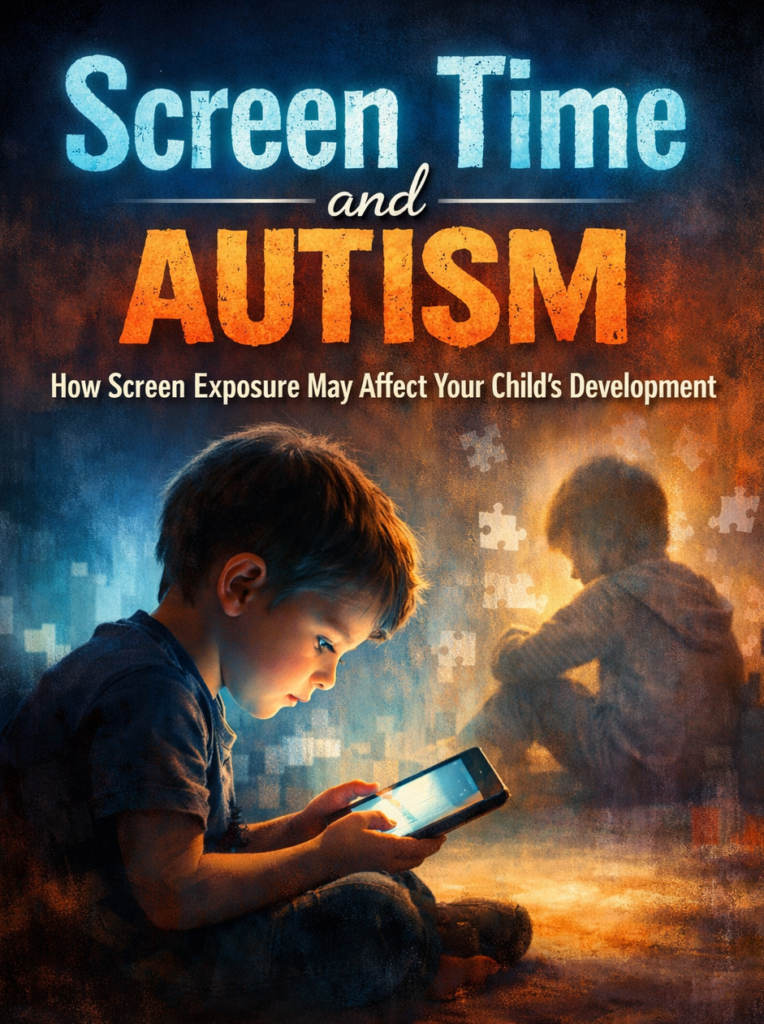
Screen Time and Autism are increasingly important topics for parents in today’s digital world. Screens are everywhere, and your child may regularly use smartphones, tablets, televisions, and other digital devices at home. While technology can provide educational content and entertainment, excessive screen time during early childhood may affect your child’s development, making it essential to understand the relationship between screen use and developmental growth.
As a parent or caregiver, you might sometimes notice that your child is not speaking much, avoiding eye contact, or interacting less with others. These behaviors can raise concerns about the relationship between screen time and autism. Although excessive screen exposure may contribute to developmental delays, it is important to understand that these signs do not necessarily mean a child has Autism Spectrum Disorder (ASD).
Understanding the connection between screen time and autism, and how the effects of digital exposure differ from ASD, can help you take the right steps to support your child’s healthy growth and development.
Why Early Interaction Is Important for Your Child
During the first few years of life, your child’s brain develops very quickly. At this stage, children learn best through real-life interaction with parents and caregivers.
When you:
- Talk to your child
- Smile and respond to their sounds
- Play together
- React to their gestures
you help build important brain connections that support language, communication, and social skills.
However, when screens replace these interactions, your child may miss valuable learning opportunities. Over time, excessive screen time can contribute to developmental delays.
How Screen Time Can Affect Your Child’s Development
1. Language Development
Your child learns to speak through interaction with you. When your child babbles or points and you respond, it builds language and communication skills. Too much screen time can reduce these important interactions.
2. Social Communication
Your child develops social skills through shared activities like playing, reading, and pointing to objects together. Excessive screen use may reduce these experiences and affect social communication.
3. Attention and Thinking
Early childhood is when your child develops focus, problem-solving, and emotional control. Fast-paced digital content can overstimulate the brain and make it harder for your child to concentrate on normal activities.
4. Sleep and Behavior
Screen use, especially before bedtime, can disturb your child’s sleep cycle. Poor sleep may lead to irritability, difficulty focusing, and behavioral problems. Good sleep is important for healthy brain development.
What Is “Virtual Autism”?
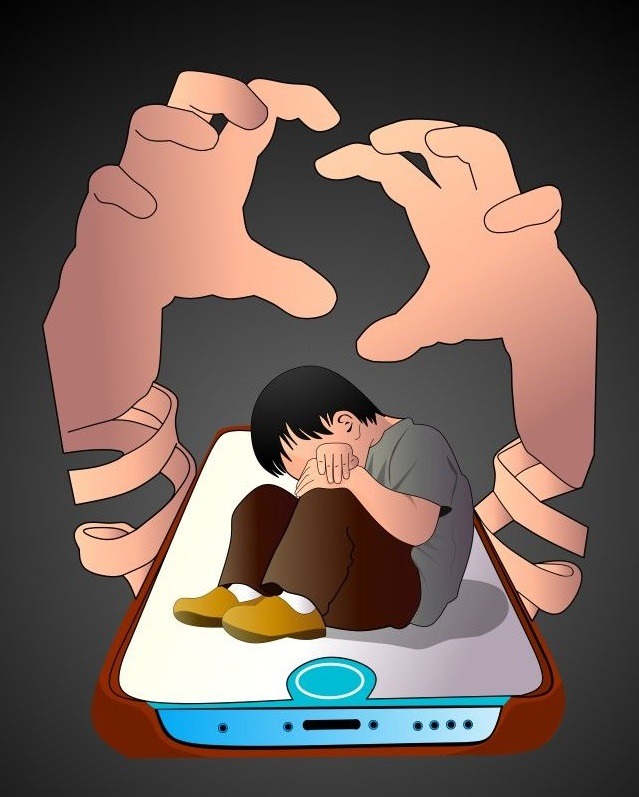
You may hear professionals mention the term “virtual autism.”This term describes developmental delays linked to excessive screen exposure during early childhood.
Children with virtual autism may show signs such as:Delayed speech,Reduced eye contact,Limited social interaction,Preference for screens over people.
These symptoms can sometimes look similar to autism, but they may be caused by environmental factors such as too much screen time and limited social interaction.
How Much Screen Time Is Too Much?
Child development experts recommend little to no screen time for infants and toddlers, except for supervised video calls with family. As your child grows, screen use should remain limited and balanced with healthy activities like outdoor play, reading, social interaction, and creative hands-on learning. Your child develops best through real-world experiences rather than excessive digital exposure.
Warning Signs of Excessive Screen Exposure
You may want to seek professional advice if your child shows signs such as:
- Delayed speech or limited vocabulary
- Reduced eye contact
- Not responding to their name
- Preferring screens over playing with others
- Short attention span
- Difficulty engaging in play or communication
These signs may indicate developmental delays that need professional guidance.
Autism vs. Screen-Related Developmental Delay
It is important to understand that Autism Spectrum Disorder (ASD) and screen-related developmental delays are not the same.
Autism
- A neurodevelopmental condition
- Often involves reduced social interest
- Requires long-term therapeutic support
Screen-Related Delays
- Influenced by environmental factors like excessive screen time
- Children usually want social interaction but lack communication practice
- Improvement often occurs when screen time is reduced and interaction increases
Recognizing the difference helps professionals choose the best support for your child.
Why Early Intervention Matters
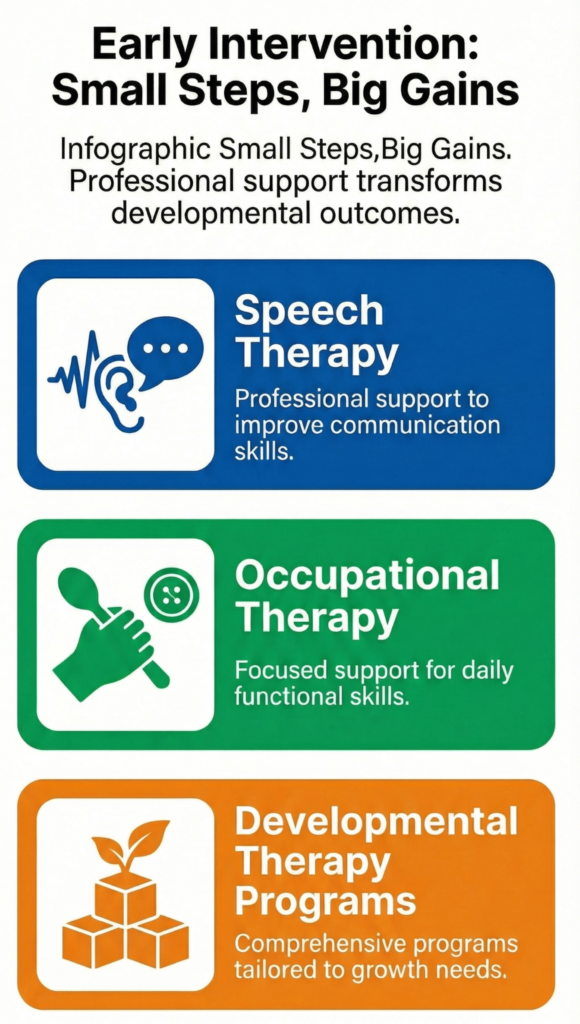
If you notice developmental delays in your child, early intervention can make a big difference.
Professional support may include:
- Speech therapy
- Occupational therapy
- Developmental therapy programs
These services can help improve your child’s communication, social skills, and cognitive development.
Reducing screen time and increasing real-life engagement with your child can greatly support their progress.
Closure:
Technology is a part of modern life, but too much screen time during early childhood can affect your child’s language, social, and cognitive development.Your child learns best through talking, playing, exploring, and interacting with people around them.While heavy screen use may sometimes lead to delays that look similar to autism, Autism Spectrum Disorder is a complex neurodevelopmental condition influenced by multiple factors.
If you are concerned about your child’s development, seeking professional guidance early can ensure your child receives the right support.
At Aaziban Care Center, we provide specialized services for early intervention, developmental assessment, and therapy for children with autism and developmental delays.
1. Can too much screen time cause autism in children?
No, excessive screen time does not cause Autism Spectrum Disorder (ASD). However, too much screen exposure during early childhood may contribute to developmental delays such as reduced speech, poor eye contact, and limited social interaction, which can sometimes resemble autism-related behaviors.
2. What are the warning signs of screen-related developmental delays?
Some common signs include delayed speech, reduced eye contact, short attention span, limited social interaction, difficulty responding to their name, and a strong preference for screens over playing or communicating with others.
3. How can parents reduce the negative effects of screen time?
Parents can limit screen exposure by encouraging more face-to-face interaction, outdoor play, storytelling, reading, creative activities, and family communication. Creating screen-free routines, especially before bedtime, also supports healthy development.
4. When should parents seek professional help for their child?
If your child shows persistent developmental concerns such as speech delay, limited communication, poor social engagement, or behavioral difficulties, it is important to consult a healthcare professional or developmental specialist early for proper assessment and support.
Need Personalized Guidance for Speech Therapy?
Our senior certified therapists at Aaziban Care Center provide customized 1-on-1 evaluation and treatment plans at our care centers.