and

Pancreas Under Pressure: Everyday Habits That Impact Insulin Control and Digestion
Pancreas

The pancreas plays a vital dual role in the body—regulating blood sugar through insulin and supporting digestion by releasing enzymes. Despite its importance, this hardworking organ is often overlooked. Certain everyday habits can silently overburden the pancreas, increasing the risk of insulin resistance, digestive issues, and metabolic disorders. Understanding these habits is the first step …

Pancreas Under Pressure: Everyday Habits That Impact Insulin Control and Digestion Read More »
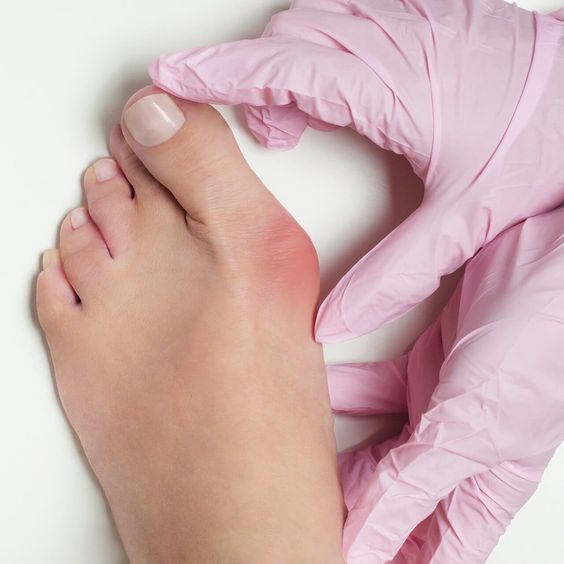
Hallux Valgus: Clinical Features and Physiotherapy Solutions

Hallux Valgus

Introduction Hallux valgus, commonly known as a bunion, is a progressive foot deformity affecting the big toe joint. It often leads to pain, difficulty walking, and reduced quality of life. Understanding the condition and its management is crucial for preventing long-term complications. ​Definition Hallux valgus is the commonest of the foot deformities and probably of …

Hallux Valgus: Clinical Features and Physiotherapy Solutions Read More »

Guide to Speech Milestones (0-5 Years) and When to Intervene

speech

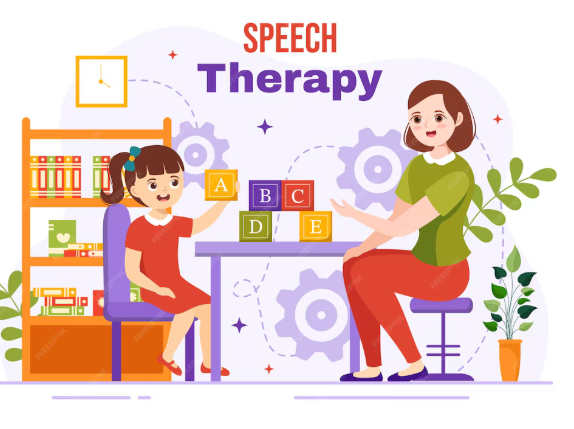
Speech and language development in early childhood generally follows a predictable path, but every child moves at their own pace. Understanding these speech milestones from birth to five years helps parents track progress, identify red flags early, and seek timely support. Research consistently shows that early identification and therapy lead to significantly better communication outcomes, …

Guide to Speech Milestones (0-5 Years) and When to Intervene Read More »

Why Children Develop Bow Legs and How It Can Be Treated

Bow Legs

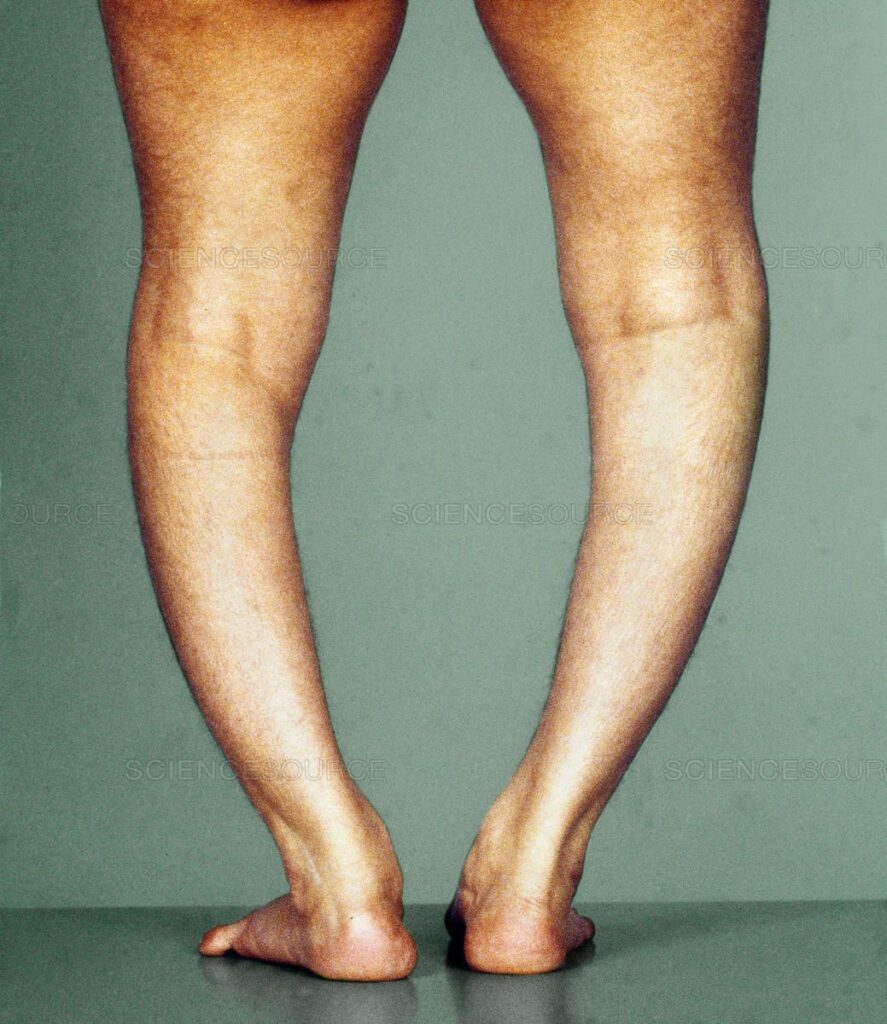
Introduction Bow legs in children, medically known as genu varum, are a common condition often seen in early childhood. While it is typically a normal part of growth, persistent or severe bowing may indicate an underlying pathology that requires timely evaluation. Early identification and proper physiotherapy intervention help ensure healthy leg alignment and prevent future …

Why Children Develop Bow Legs and How It Can Be Treated Read More »

Developmental Dysplasia of the Hip Explained: Diagnosis, Clinical Features, and Rehabilitation Management

Developmental Dysplasia of the Hip

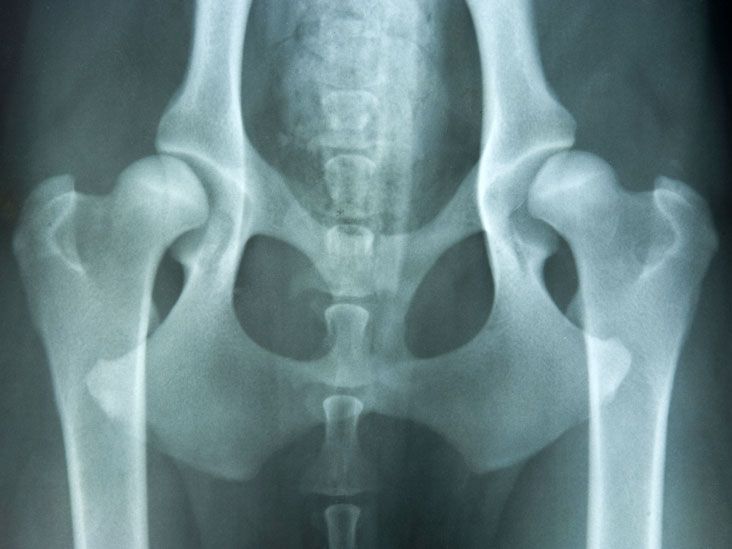
Introduction Developmental Dysplasia of the Hip (DDH) is one of the most common pediatric orthopedic conditions. Early diagnosis is crucial, as timely treatment helps prevent long-term complications such as gait abnormalities and early osteoarthritis. A structured approach to assessment and rehabilitation is essential for optimal outcomes. Definition The condition is formerly known as congenital dislocation …

Developmental Dysplasia of the Hip Explained: Diagnosis, Clinical Features, and Rehabilitation Management Read More »

De Quervain’s Disease: Causes, Symptoms, and Physiotherapy Management

admin ajax (7) (1)

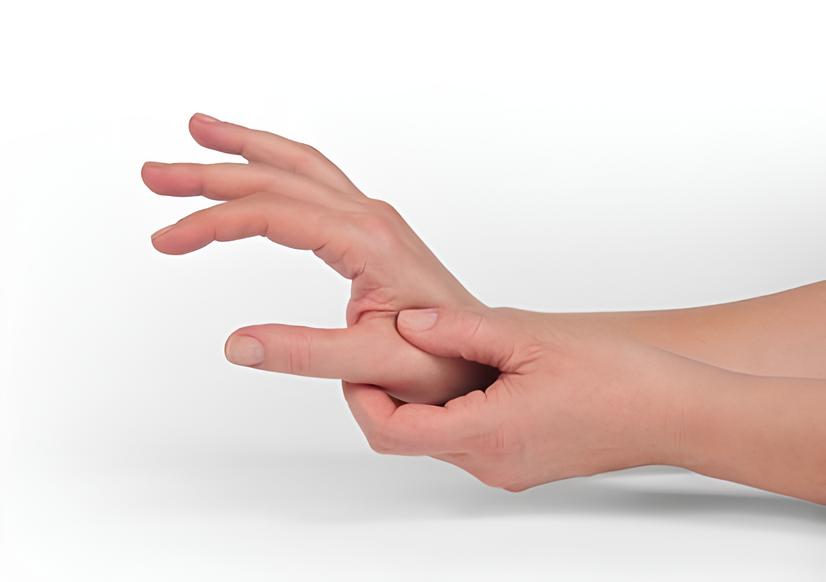
Introduction De Quervain’s Disease, also known as De Quervain’s Tenosynovitis, is a painful condition affecting the thumb side of the wrist. It commonly occurs in individuals who perform repetitive hand or wrist movements, making primary recognition and management crucial for practical recovery. Definition De Quervain’s Disease is an inflammatory condition involving the abductor pollicis longus …

De Quervain’s Disease: Causes, Symptoms, and Physiotherapy Management Read More »

Kienbock’s Disease: What It Is and How It Affects Wrist Function

Kienbock’s Disease

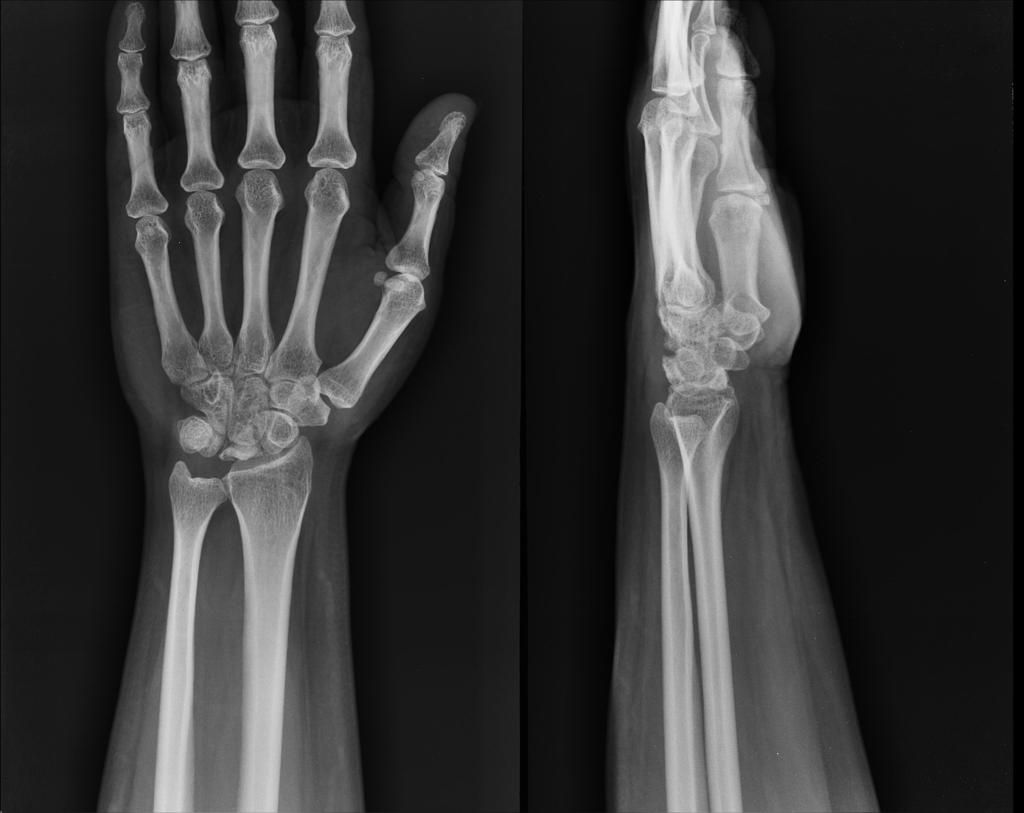
Introduction Kienbock’s Disease, also known as avascular necrosis of the lunate bone, is a progressive wrist condition that can significantly affect hand function. ROBERT KIENBOCK, in 1910, described what he called “TRAUMATIC SOFTENING” of the lunate bone. This is a form of ischemic necrosis that usually follows chronic stress or injury. Definition Kienbock’s Disease is …

Kienbock’s Disease: What It Is and How It Affects Wrist Function Read More »

Delayed Speech: Clinical Overview and Neurodevelopmental Associations

speech

Delayed speech—defined as a significant lag in expressive language acquisition beyond 18–24 months—warrants early evaluation to optimize neurodevelopmental outcomes and identify comorbid conditions such as autism spectrum disorder (ASD) and attention-deficit/hyperactivity disorder (ADHD). Definition and Prevalence Delayed speech is characterized by the absence of first words by 15 months or fewer than 50 words by …

Delayed Speech: Clinical Overview and Neurodevelopmental Associations Read More »

Tulsi Benefits: The Sacred Herb for Health and Wellness

what is tulsi uses, benefits, recipes with tulsi

Tulsi, also known as Holy Basil (Ocimum sanctum), is often called the “Queen of Herbs” in Ayurveda. Revered for centuries in Indian households, Tulsi is not only a sacred plant but also a powerhouse of healing properties that support physical, mental, and spiritual well-being. 1. Strengthens Immunity Tulsi is rich in antioxidants and micronutrients that …

Tulsi Benefits: The Sacred Herb for Health and Wellness Read More »

Kyphotic Deformity: Clinical Overview and Treatment Approaches

Kyphosis

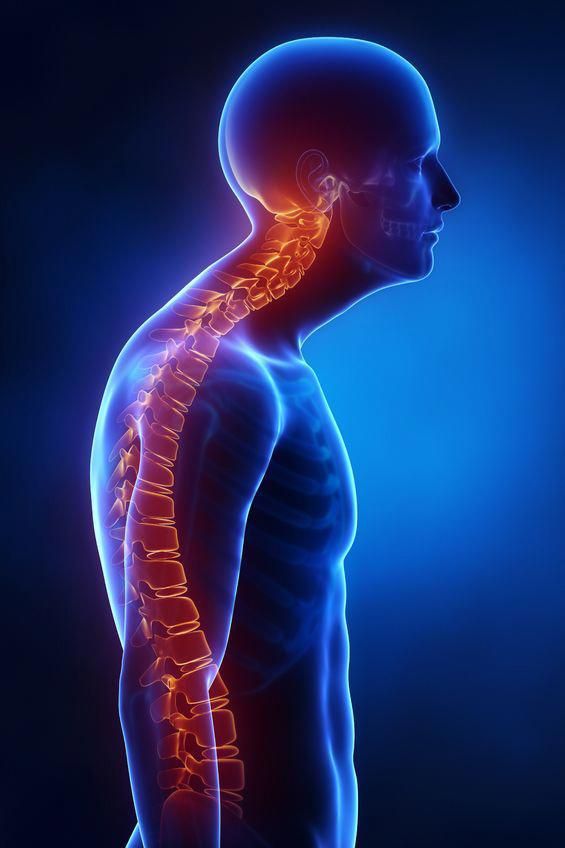
 Introduction Kyphosis, often perceived as solely a spinal issue, significantly impacts overall posture and movement patterns. The compensatory mechanisms adopted by the body to maintain balance in the presence of kyphosis can place abnormal stresses on various joints, particularly the hips, leading to pain, dysfunction, and even injury.  Etiology The primary cause is the altered …

Kyphotic Deformity: Clinical Overview and Treatment Approaches Read More »

Osteogenesis Imperfecta: Challenges in Treatment and Physiotherapy

admin ajax (3) (1)

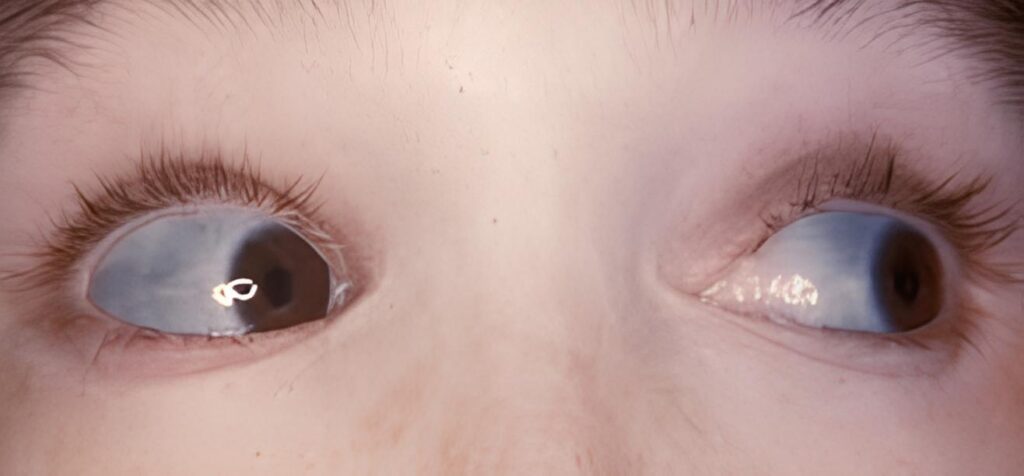
Introduction Osteogenesis Imperfecta is a congenital connective tissue disorder. There is defective collagen production, primarily Type I collagen   .This protein is crucial for bone structure, making bones abnormally fragile and prone to fractures with minimal or no trauma. Definition Osteogenesis Imperfecta is a  orthopedic abnormality characterized by Decreased osteoid formation and defective type I-collagen …

Osteogenesis Imperfecta: Challenges in Treatment and Physiotherapy Read More »

Spina Bifida in Children: Early Intervention and Rehabilitation

Spina Bifida

Introduction Spina Bifida is a birth defect that occurs when the spine and spinal cord don’t form properly. It falls under the umbrella of neural tube defects (NTDs), which are conditions affecting the brain, spinal cord or spine. Definition Spina bifida, a neural tube defect, is the result of the defective fusion of one or …

Spina Bifida in Children: Early Intervention and Rehabilitation Read More »

Compression Fractures: Diagnosis, Complications, and Rehabilitation

admin ajax (4) (1)

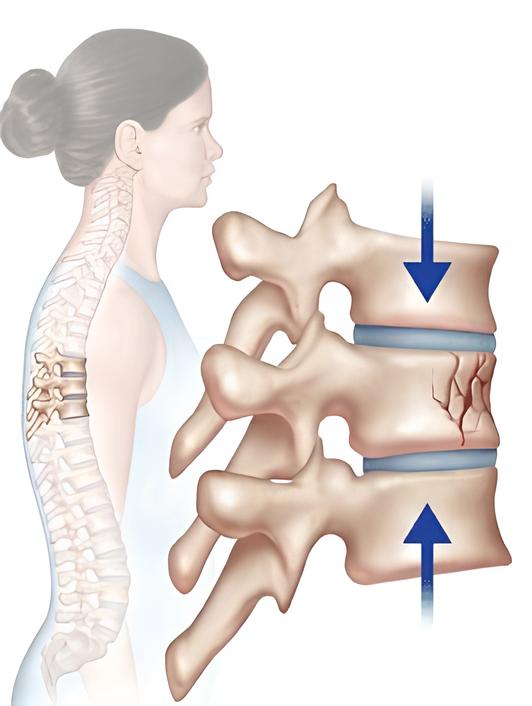
Introduction Compression Fractures is produced as a result of compressive forces on the bone. The bony mass gets compressed within itself. It is ungentlemanly in cancellous bones (e.g., vertebral body). Compression fractures of the spine are a common yet often impairing condition. Clinical Features  Investigation  Physiotherapy Management Physiotherapy plays a crucial role in recovery.  Risk …

Compression Fractures: Diagnosis, Complications, and Rehabilitation Read More »

Charcot Knee Joint: Pathophysiology and Treatment Approaches

ec92c27573de94a88fd67f8e9eca9ad2

Introduction Charcot knee joint is a progressive, degenerative neuropathy affecting one or more joints, most commonly the knee, due to underlying neurological deficits that impair sensation and proprioception. The knee, hip, shoulder or ankle joints are commonly affected. However, in rare instances, other smaller joints may also be affected.  Definition Charcot knee joint is a …

Charcot Knee Joint: Pathophysiology and Treatment Approaches Read More »

Living with Rheumatoid Arthritis: Challenges and Treatment Options

admin ajax (1)

Introduction Rheumatoid arthritis (RA) is a systemic disease which results in chronic inflammation and destruction of synovial joints. It is an autoimmune disease that involves systems/organs other than the bones and joints alone. Etiology The etiology is unclear; however, various factors like climate, race, diet, psychosomatic disorders, trauma, endocrine dysfunction, biochemical disorders, hereditary influences, disturbances …

Living with Rheumatoid Arthritis: Challenges and Treatment Options Read More »