Chronic infection

Tuberculous Meningitis: Clinical Features and Rehabilitation Approach
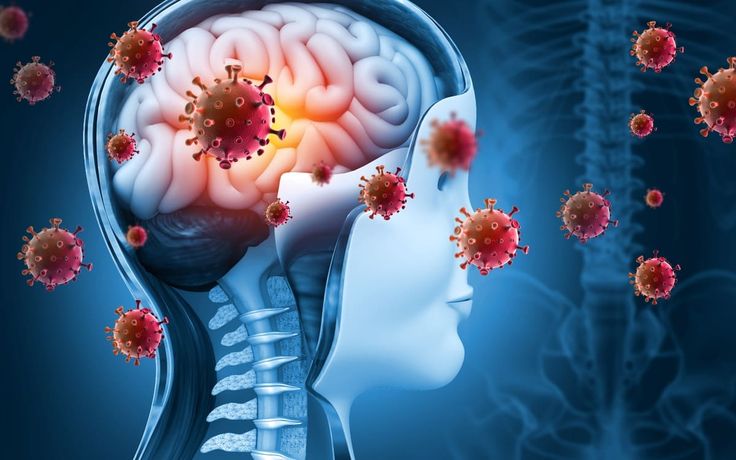
Tuberculous Meningitis

Introduction Tuberculous Meningitis (TBM) is the most severe form of extrapulmonary tuberculosis, caused by Mycobacterium tuberculosis. It primarily affects the meninges of the brain and spinal cord and is associated with high morbidity and mortality if not treated early. Definition Tuberculous Meningitis is a chronic infectious condition characterized by inflammation of the meninges due to …

Tuberculous Meningitis: Clinical Features and Rehabilitation Approach Read More »

Acute Haematogenous Osteomyelitis

Acute Haematogenous Osteomyelitis

Introduction: Acute Haematogenous Osteomyelitis is a rapid-onset bone infection that primarily affects children, though it can occur in adults with weakened immunity. It typically arises when bacteria spread through the bloodstream and settle in the metaphysis of long bones, leading to inflammation, pain, and systemic symptoms. Defination: Acute Haematogenous Osteomyelitis is a sudden, severe bone …

Acute Haematogenous Osteomyelitis Read More »