Clinical

Crutch Palsy: Causes, Clinical Features, and Rehabilitation Approach
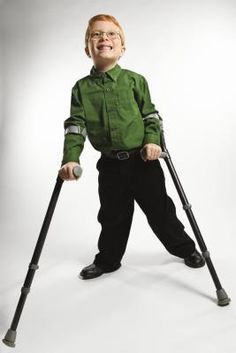
Crutch Palsy

Introduction Crutch Palsy is a neurological condition that occurs due to prolonged or improper use of crutches. It commonly affects individuals who rely on axillary crutches for mobility after injuries or surgeries. Excessive pressure in the armpit region can compress important nerves, particularly the radial nerve, leading to weakness and sensory disturbances in the upper …

Crutch Palsy: Causes, Clinical Features, and Rehabilitation Approach Read More »

Nystagmus: Clinical Features and Physiotherapy Management

Nystagmus

Introduction Nystagmus is a neurological and vestibular condition characterized by involuntary, rhythmic eye movements. These movements can interfere with stable vision and balance, often affecting daily activities such as reading, walking, and focusing on objects. Nystagmus may occur due to disorders of the inner ear, brainstem, or cerebellum. Early recognition and appropriate management are important …

Nystagmus: Clinical Features and Physiotherapy Management Read More »

Hypophonia: Causes, Clinical Features, and Rehabilitation Approach

0a9ebc3b8d0a05a08c0bd2ff205fd191

Introduction Hypophonia is a common speech disorder often observed in neurological conditions. It is characterized by a decreased voice volume that makes speech difficult to hear and understand. This condition remarkably affects communication, social interaction, and quality of life. Early recognition and proper rehabilitation strategies are important for improving speech clarity and functional communication. Definition …

Hypophonia: Causes, Clinical Features, and Rehabilitation Approach Read More »

Akinesia: Clinical Insights and Rehabilitation Approach

4065990bee3a64b02c473289a9800629

Introduction Akinesia is a significant motor symptom commonly associated with movement disorders. It severely affects voluntary movement, leading to decreased independence and impaired quality of life. Early recognition and structured rehabilitation are essential to optimize functional outcomes. Definition Akinesia refers to the absence or marked difficulty in initiating voluntary movements. It is often observed in …

Akinesia: Clinical Insights and Rehabilitation Approach Read More »

Rigidity: Clinical Overview and Physiotherapy Management

Rigidity

Introduction Rigidity is a common neurological sign characterized by increased muscle tone that interferes with smooth and voluntary movement. It is frequently observed in disorders affecting the central nervous system, particularly movement disorders. Rigidity can remarkably limit mobility, functional self-determination, and quality of life if not managed perfectly. Definition It is defined as a uniform …

Rigidity: Clinical Overview and Physiotherapy Management Read More »

Clinical Insights into Polyneuropathies and Functional Recovery

Polyneuropathies

Introduction Polyneuropathies are common neurological disorders affecting multiple peripheral nerves simultaneously. They can remarkably impair sensation, movement, and autonomic function, leading to decreased mobility and quality of life. Early diagnosis and comprehensive rehabilitation are essential to prevent disability and enhance functional independence. Definition Polyneuropathy refers to a diffuse and usually symmetrical dysfunction of peripheral nerves. …

Clinical Insights into Polyneuropathies and Functional Recovery Read More »

Cesarean Surgery: Clinical Overview and Physiotherapy Management

Cesarean section

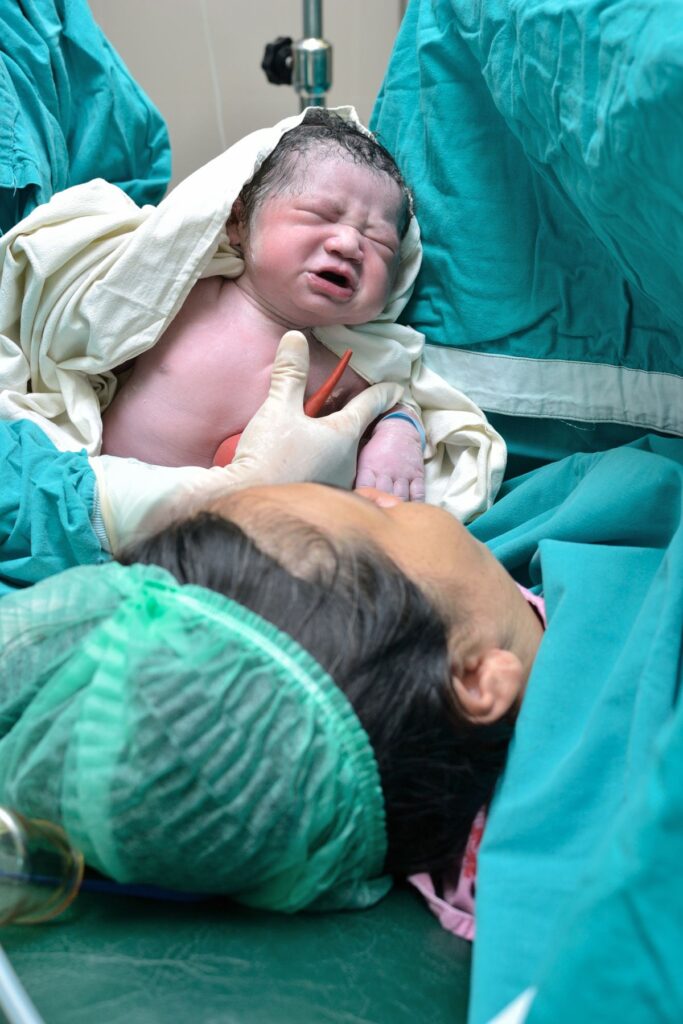
Introduction Cesarean surgery is a commonly performed obstetric procedure worldwide. It is undertaken when vaginal delivery poses a risk to the mother or baby. Advances in surgical techniques and postoperative care have remarkably improved maternal and neonatal outcomes. Early rehabilitation and physiotherapy play a crucial role in enhancing recovery and functional independence after surgery. Definition …

Cesarean Surgery: Clinical Overview and Physiotherapy Management Read More »

Cholecystectomy: Clinical Overview and Physiotherapy Considerations

Cholecystectomy

Introduction Cholecystectomy is one of the most commonly performed abdominal surgical procedures worldwide. It is primarily done to relieve symptoms and prevent complications arising from gallbladder diseases, especially gallstones. Proper postoperative care and physiotherapy play a vital role in promoting early recovery and functional independence. Definition Cholecystectomy is a surgical procedure involving the removal of …

Cholecystectomy: Clinical Overview and Physiotherapy Considerations Read More »

Vestibular Neuritis: Clinical Features and Physiotherapy Management

Vestibular Neuritis

Introduction Vestibular Neuritis is a common cause of sudden-onset vertigo resulting from dysfunction of the vestibular nerve. It remarkably affects balance and spatial orientation, often leading to severe dizziness and difficulty in daily activities. Early diagnosis and physiotherapy-based rehabilitation are essential for optimal recovery. Definition Vestibular neuritis is an acute peripheral vestibular disorder characterized by …

Vestibular Neuritis: Clinical Features and Physiotherapy Management Read More »

Anoxic Brain Injury: Causes, Clinical Features, and Rehabilitation

Anoxic Brain Injury

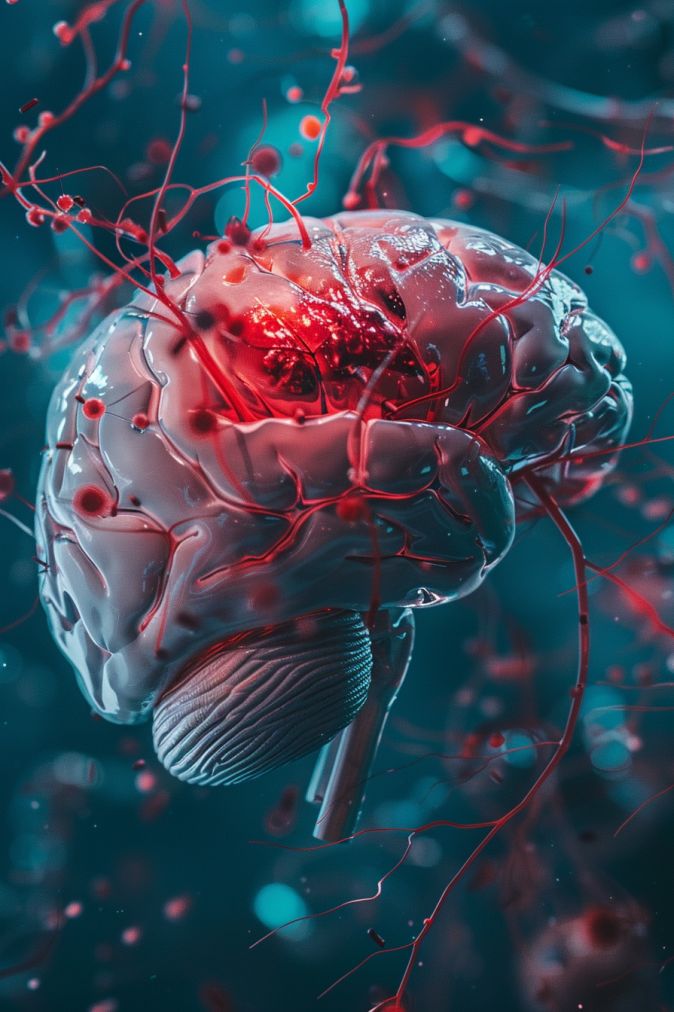
Introduction Anoxic Brain Injury (ABI) occurs when the brain is completely deprived of oxygen for a significant period. Since brain cells are highly sensitive to oxygen deprivation, even a few minutes without oxygen can lead to permanent neurological damage. Early medical intervention and structured rehabilitation are important for recovery and functional improvement. Definition Anoxic Brain …

Anoxic Brain Injury: Causes, Clinical Features, and Rehabilitation Read More »

Progressive Supranuclear Palsy: Clinical Features and Rehabilitation Approach

Progressive Supranuclear Palsy

Introduction Progressive Supranuclear Palsy (PSP) is a rare, progressive neurodegenerative disorder that primarily affects movement, balance, vision, and cognition. It commonly presents in late adulthood and often mimics Parkinson’s disease in early stages, leading to delayed diagnosis. Early rehabilitation plays a crucial role in maintaining function and safety. Definition Progressive Supranuclear Palsy is a chronic …

Progressive Supranuclear Palsy: Clinical Features and Rehabilitation Approach Read More »
Brain Tumors: Causes, Clinical Features, and Rehabilitation Approach

Brain Tumors

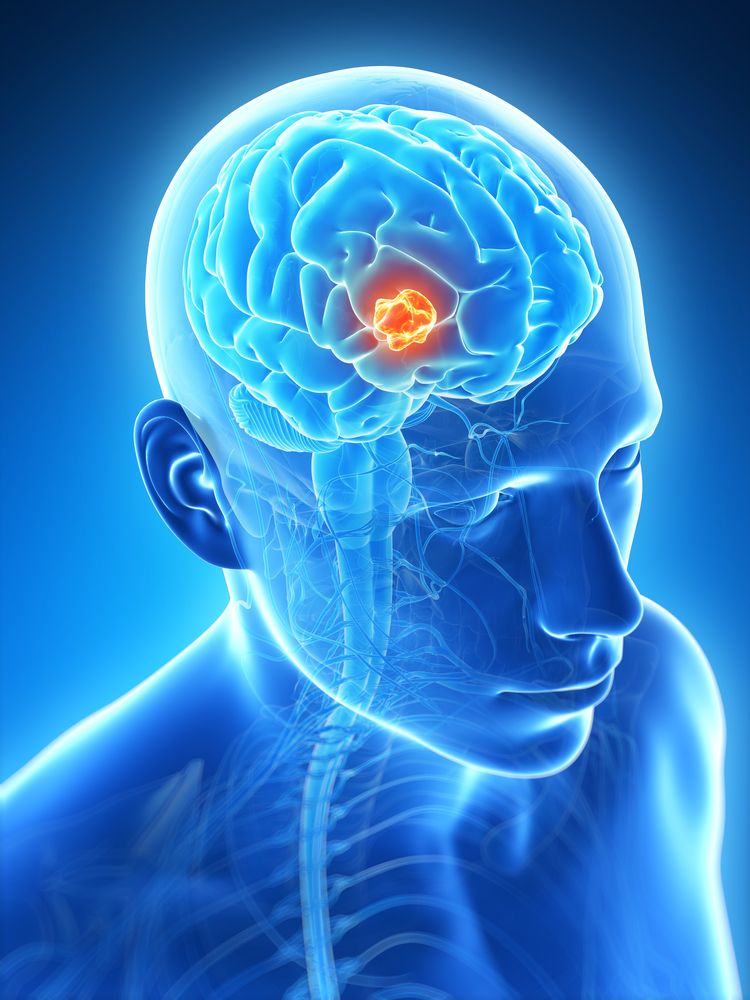
Introduction Brain Tumors are abnormal growths of cells within the brain or surrounding structures. They can remarkably affect neurological function, physical abilities, cognition, and quality of life. Early diagnosis, medical management, and rehabilitation—especially physiotherapy—play a crucial role in improving functional outcomes and independence. Definition A brain tumor is a mass or growth of abnormal cells …

Brain Tumors: Causes, Clinical Features, and Rehabilitation Approach Read More »

 Hernia Explained: Clinical Features and Care Approach

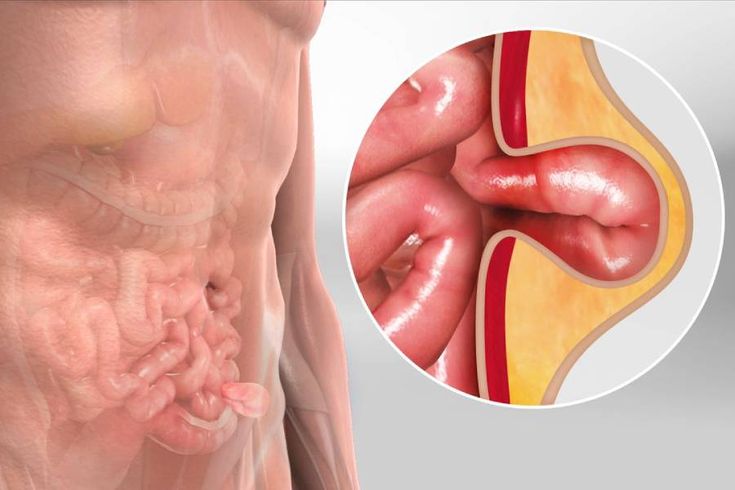
Hernia

Introduction Hernia is a common medical condition in which an internal organ or tissue protrudes through a weakened area of muscle or connective tissue. It most frequently affects the abdominal region and may cause discomfort, functional limitations, and complications if left untreated. Early diagnosis and physiotherapy play a vital role in symptom management and recovery. …

 Hernia Explained: Clinical Features and Care Approach Read More »

The Paralysed Foot: Clinical Features and Comprehensive Rehabilitation Guide

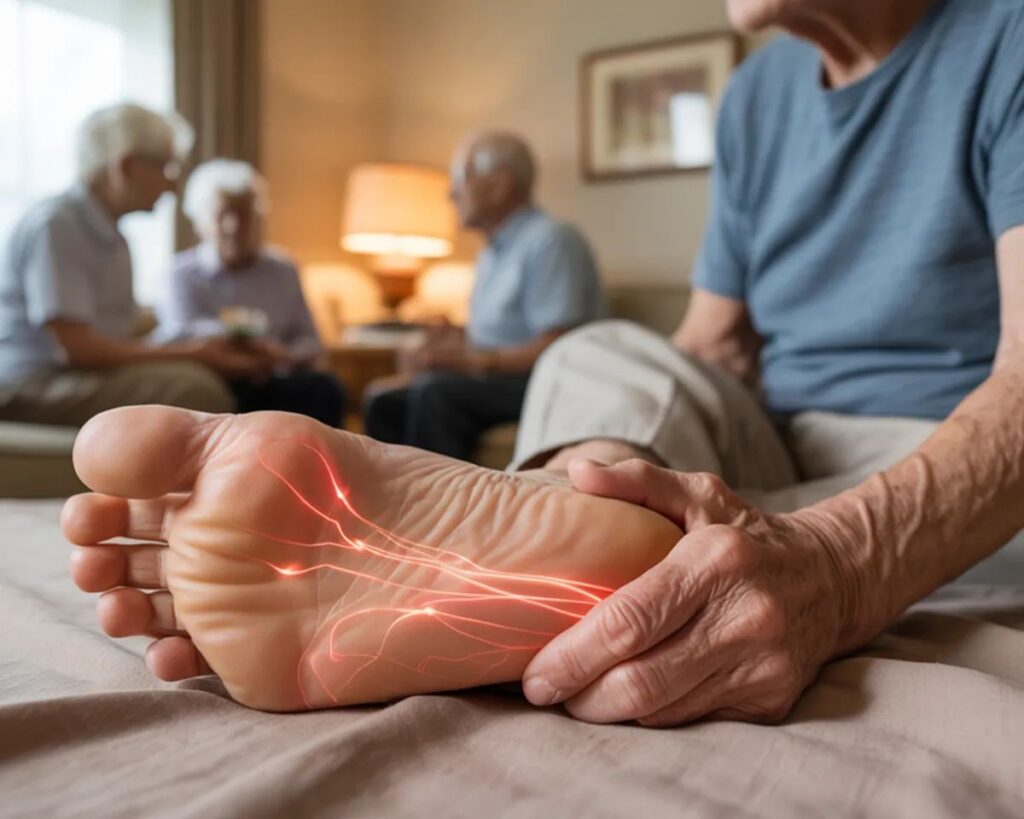
The Paralysed Foot

Introduction The Paralysed Foot is a disabling condition where weakness or loss of movement affects the foot and ankle. This leads to difficulty walking, impaired balance, and long-term deformities if untreated. Early diagnosis and physiotherapy play a crucial role in restoring function and preventing complications. ​ Definition The paralysed foot refers to the partial or …

The Paralysed Foot: Clinical Features and Comprehensive Rehabilitation Guide Read More »

Hallux Valgus: Clinical Features and Physiotherapy Solutions

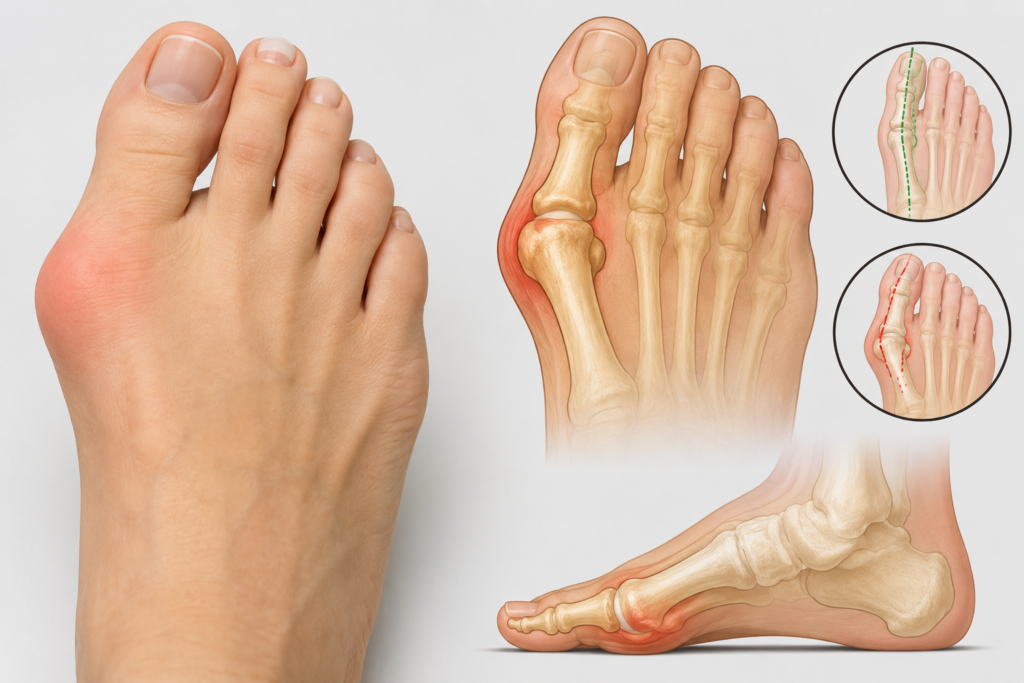
Hallux Valgus

Introduction Hallux valgus, commonly known as a bunion, is a progressive foot deformity affecting the big toe joint. It often leads to pain, difficulty walking, and reduced quality of life. Understanding the condition and its management is crucial for preventing long-term complications. ​Definition Hallux valgus is the commonest of the foot deformities and probably of …

Hallux Valgus: Clinical Features and Physiotherapy Solutions Read More »