Clinical

Souques’ Phenomenon: Clinical Sign of Motor Recovery After Stroke
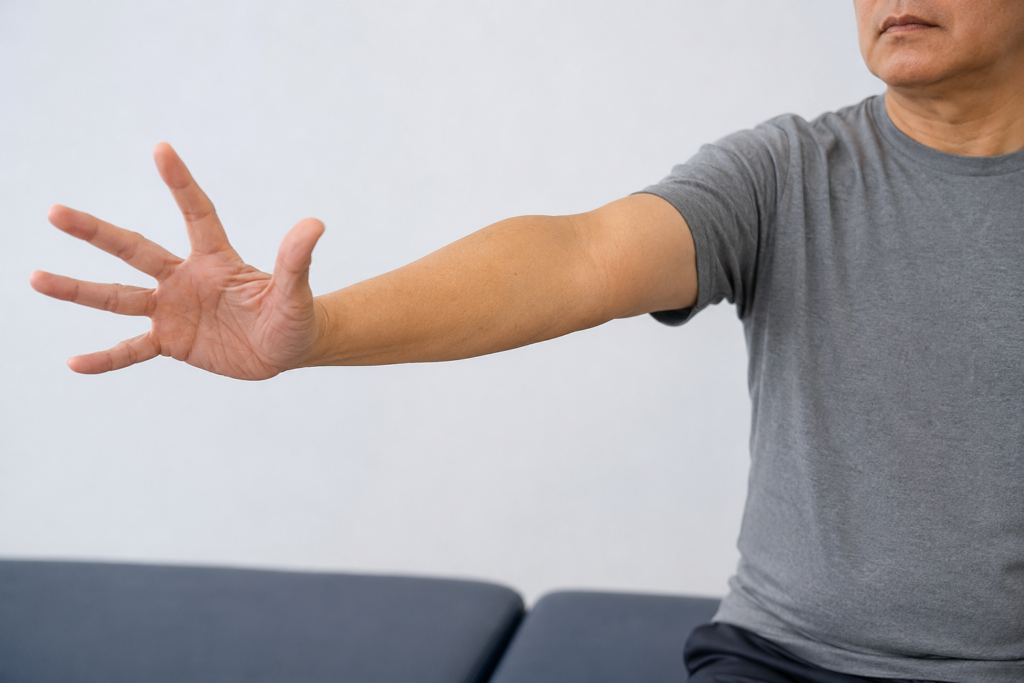
Souques' phenomenon

Introduction Souques’ phenomenon is a neurological sign commonly observed in patients with upper motor neuron lesions, especially after stroke. It reflects abnormal motor control and is often used clinically to assess recovery stages in hemiplegia. Definition Souques’ phenomenon is defined as the involuntary extension and abduction of the fingers when the affected arm is elevated …

Souques’ Phenomenon: Clinical Sign of Motor Recovery After Stroke Read More »
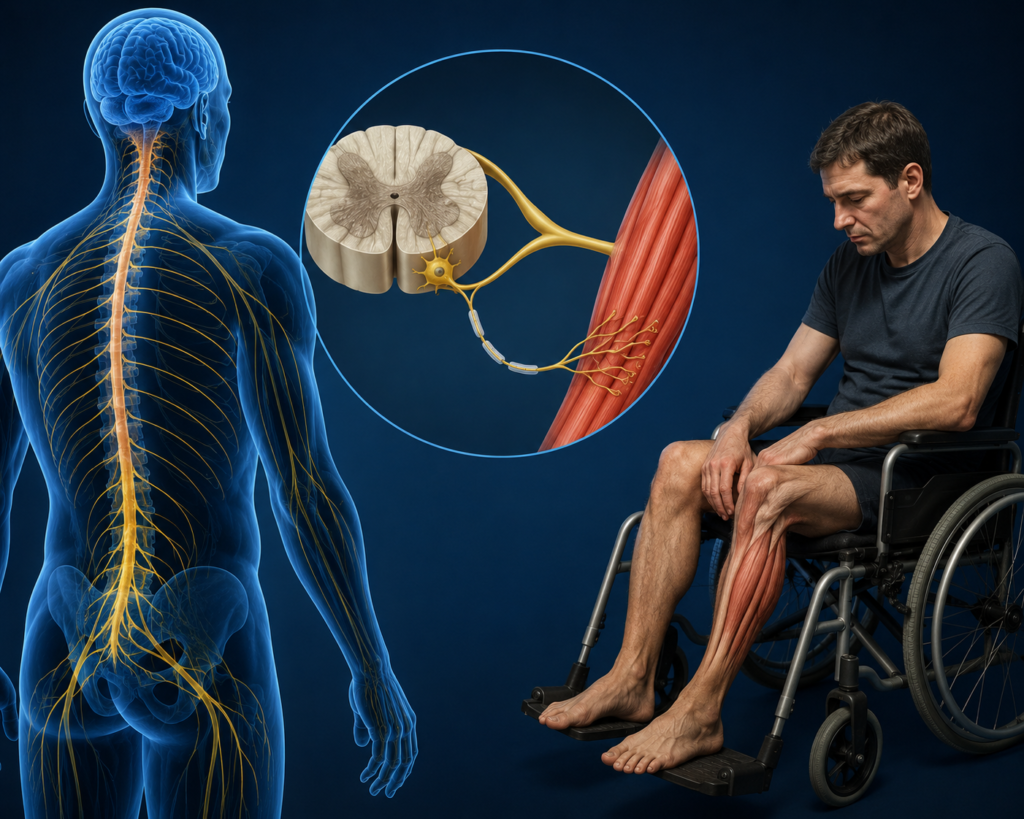
Lower Motor Neuron Lesions: Basics and Clinical Overview

Lower motor neuron lesions

Introduction Lower motor neuron (LMN) lesions are neurological conditions that directly affect the peripheral motor pathways responsible for muscle contraction. These lesions remarkably impair voluntary movements and can lead to long-term disability if not managed early. Definition A lower motor neuron lesion refers to damage to the motor neurons that originate in the anterior horn …

Lower Motor Neuron Lesions: Basics and Clinical Overview Read More »

Ulnar Nerve Injury: Clinical Features and Physiotherapy Management

Ulnar nerve injury

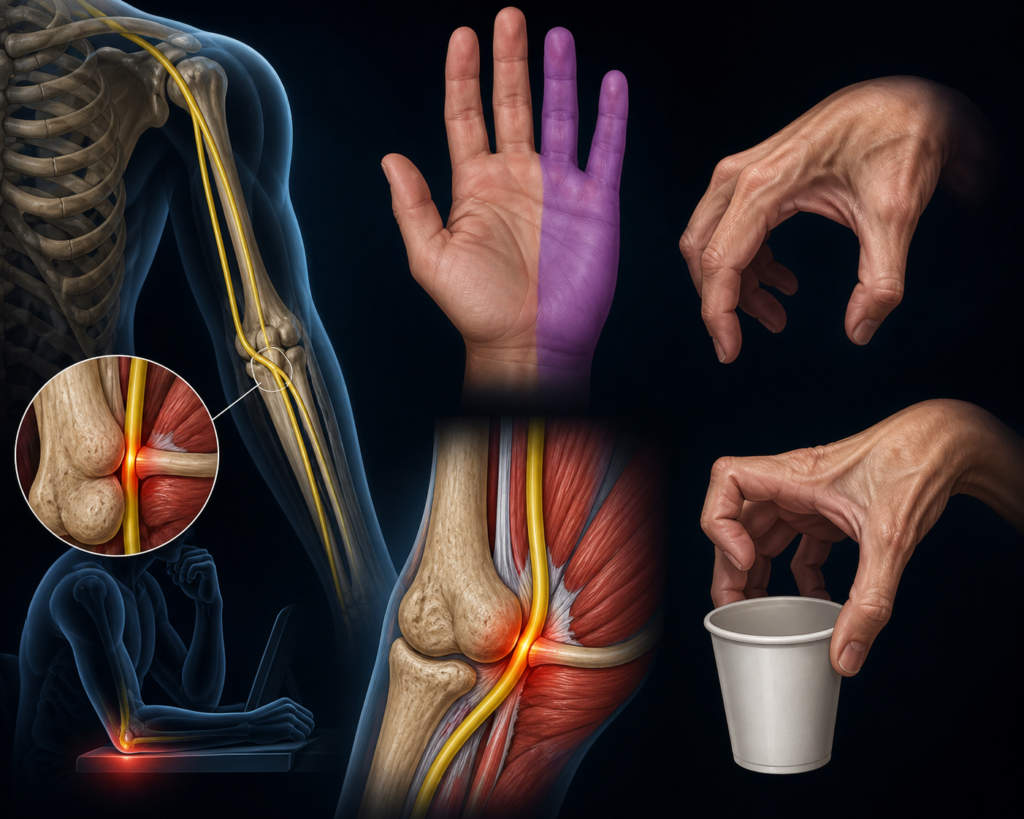
Introduction Ulnar nerve injury is a significant peripheral nerve disorder affecting hand function, grip strength, and coordination. It commonly interferes with fine motor activities and daily tasks, especially those requiring precision. Definition Ulnar nerve injury refers to damage or compression of the ulnar nerve along its anatomical pathway, most frequently at the elbow (cubital tunnel) …

Ulnar Nerve Injury: Clinical Features and Physiotherapy Management Read More »

Median Nerve Injury: Clinical Features and Rehabilitation Approach

Median Nerve Injury

Introduction Median nerve injury is a common peripheral nerve condition affecting hand function, grip strength, and fine motor skills. It remarkably impacts daily activities, especially tasks requiring precision and coordination. Definition Median nerve injury refers to damage or compression of the median nerve, which supplies motor and sensory innervation to parts of the forearm and …

Median Nerve Injury: Clinical Features and Rehabilitation Approach Read More »

Axonotmesis: Clinical Features and Rehabilitation Approach

Axonotmesis

Introduction Axonotmesis is a moderate form of peripheral nerve injury that results in disruption of the axon while preserving the surrounding connective tissue. It commonly occurs due to trauma or compression and requires structured rehabilitation for optimal recovery. Definition Axonotmesis is defined as a nerve injury in which the axon is damaged, leading to loss …

Axonotmesis: Clinical Features and Rehabilitation Approach Read More »

Bacterial Meningitis: Clinical Features and Rehabilitation Approach

Bacterial Meningitis

Introduction Bacterial meningitis is a serious and potentially life-threatening infection of the central nervous system. It requires urgent medical intervention, as delayed treatment can lead to severe complications, long-term disability, or death. Definition Bacterial meningitis is an acute inflammation of the meninges caused by bacterial pathogens, resulting in increased intracranial pressure, neurological dysfunction, and systemic …

Bacterial Meningitis: Clinical Features and Rehabilitation Approach Read More »

Viral Meningitis: Clinical Features and Rehabilitation Approach

Viral Meningitis

Introduction Viral meningitis is an inflammation of the meninges caused by viral infections. It is generally less severe than bacterial meningitis but can still lead to remarkable discomfort and functional limitations, especially in vulnerable populations such as children and immunocompromised individuals. Definition Viral meningitis is defined as an infection-induced inflammation of the protective membranes (meninges) …

Viral Meningitis: Clinical Features and Rehabilitation Approach Read More »

Tuberculous Meningitis: Clinical Features and Rehabilitation Approach

Tuberculous Meningitis

Introduction Tuberculous Meningitis (TBM) is the most severe form of extrapulmonary tuberculosis, caused by Mycobacterium tuberculosis. It primarily affects the meninges of the brain and spinal cord and is associated with high morbidity and mortality if not treated early. Definition Tuberculous Meningitis is a chronic infectious condition characterized by inflammation of the meninges due to …

Tuberculous Meningitis: Clinical Features and Rehabilitation Approach Read More »

Pyogenic Meningitis: Clinical Features and Rehabilitation Approach

Pyogenic meningitis

Introduction Pyogenic meningitis is a life-threatening infection of the meninges caused by pus-forming (bacterial) organisms. It is a medical emergency that requires prompt diagnosis and treatment to prevent severe neurological damage and mortality. Definition Pyogenic meningitis is defined as an acute bacterial infection of the meninges, leading to inflammation, accumulation of purulent exudate, and increased …

Pyogenic Meningitis: Clinical Features and Rehabilitation Approach Read More »

Central Cord Syndrome: A Focused Clinical Overview

Central Cord Syndrome

Introduction Central Cord Syndrome (CCS) is the most common form of incomplete spinal cord injury, typically affecting the cervical region. It often results in greater impairment of the upper limbs than the lower limbs, significantly impacting functional independence and quality of life. Definition Central Cord Syndrome is a neurological condition characterized by disproportionately greater motor …

Central Cord Syndrome: A Focused Clinical Overview Read More »

Understanding Autonomic Neuropathy: A Clinical Overview

4fc39369ab873e34f15415ae15571342

Introduction Autonomic Neuropathy is a disorder affecting the autonomic nervous system (ANS), which controls involuntary body functions such as heart rate, blood pressure, digestion, and temperature regulation. Damage to these nerves can remarkably impact multiple organ systems and decreased quality of life. Early diagnosis and appropriate management are essential to prevent serious complications. Definition Autonomic …

Understanding Autonomic Neuropathy: A Clinical Overview Read More »

Atheroma: Clinical Features and Management Approach

Atheroma

Introduction Atheroma is a common vascular condition associated with the buildup of fatty deposits within arterial walls. It plays a vital role in the development of cardiovascular diseases such as coronary artery disease and stroke. Early detection and appropriate management are essential to prevent serious complications and improve overall health outcomes. Definition Atheroma refers to …

Atheroma: Clinical Features and Management Approach Read More »

Bell’s Phenomenon: Clinical Insights and Rehabilitation Approach

Bell’s phenomenon

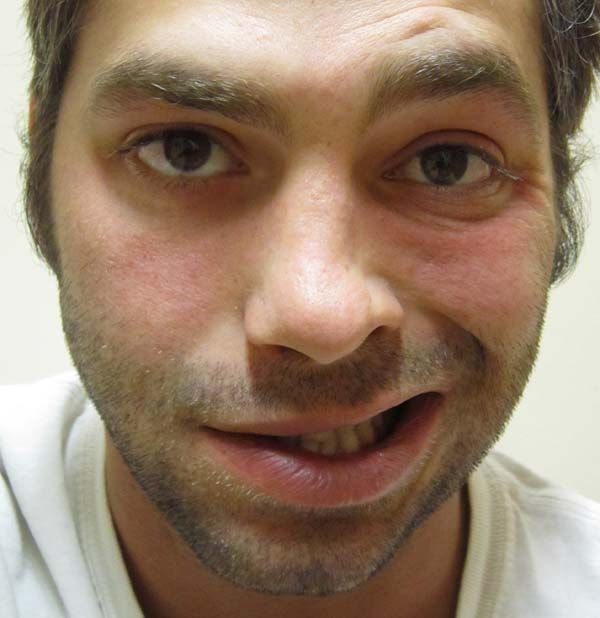
Introduction Bell’s phenomenon is an important clinical sign commonly observed in patients with facial nerve disorders, particularly Bell’s palsy. It serves as a protective reflex of the eye, helping to prevent corneal damage when eyelid closure is impaired. Understanding this phenomenon is essential for clinicians involved in neurological and physiotherapy rehabilitation. Definition Bell’s phenomenon is …

Bell’s Phenomenon: Clinical Insights and Rehabilitation Approach Read More »

Volkmann’s Ischemic Contracture: A Clinical Overview and Rehabilitation Approach

Volkmann’s Ischemic Contracture

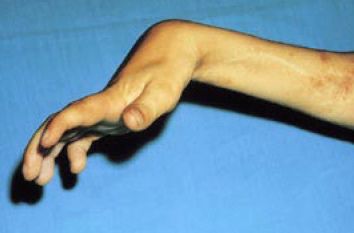
Introduction Volkmann’s Ischemic Contracture (VIC) is a serious orthopedic condition resulting from untreated or poorly managed compartment syndrome, most commonly affecting the forearm. It leads to permanent muscle and nerve damage, causing deformity and functional impairment. Early recognition and timely intervention are vital to prevent irreversible disability. Definition Volkmann’s Ischemic Contracture is defined as a …

Volkmann’s Ischemic Contracture: A Clinical Overview and Rehabilitation Approach Read More »

Tourniquet Palsy: Clinical Features and Rehabilitation Approach

Tourniquet palsy

Introduction Tourniquet palsy is a rare but clinically significant complication associated with the use of a tourniquet during surgical procedures, particularly in orthopedic operations. Tourniquets are widely used to create a bloodless surgical field; however, prolonged application or excessive pressure can lead to nerve compression and ischemic injury. Early identification and timely rehabilitation are essential …

Tourniquet Palsy: Clinical Features and Rehabilitation Approach Read More »