
Introduction
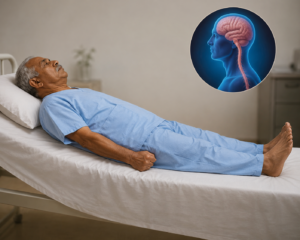
Viral meningitis is an inflammation of the meninges caused by viral infections. It is generally less severe than bacterial meningitis but can still lead to remarkable discomfort and functional limitations, especially in vulnerable populations such as children and immunocompromised individuals.
Definition
Viral meningitis is defined as an infection-induced inflammation of the protective membranes (meninges) surrounding the brain and spinal cord, most commonly caused by viruses such as enteroviruses, herpes simplex virus, and arboviruses.
Clinical Features
- Acute onset of fever and headache
- Neck stiffness and photophobia
- Typically, a self-limiting course in most cases
- Mild to moderate neurological symptoms
- Less severe progression compared to bacterial meningitis
Signs and Symptoms
- Fever, chills, and malaise
- Nausea and vomiting
- Headache and neck rigidity
- Sensitivity to light (photophobia)
- Altered mental status (mild confusion)
- Positive meningeal signs
- Generalized fatigue and weakness
Complication
- Persistent headache and fatigue
- Seizures (uncommon)
- Cognitive difficulties (rare)
- Dehydration due to vomiting
- Secondary infections in immunocompromised patients
- Rare neurological deficits
Risk Factors
- Weakened immune system (e.g., HIV infection, cancer, immunosuppressive therapy)
- Infants and young children (higher susceptibility)
- Close contact with infected individuals (schools, households, daycare centers)
- Elderly population (reduced immunity)
- Poor hygiene and sanitation
- Exposure to contaminated food or water (fecal–oral transmission)
- Mosquito or tick exposure (arboviral infections)
- Seasonal factors (higher incidence in summer and early autumn for enteroviruses)
- Lack of vaccination (e.g., measles, mumps, varicella)
- Travel to endemic areas
- Overcrowded living conditions
- Chronic illnesses (e.g., diabetes, kidney disease)
Physiotherapy Management
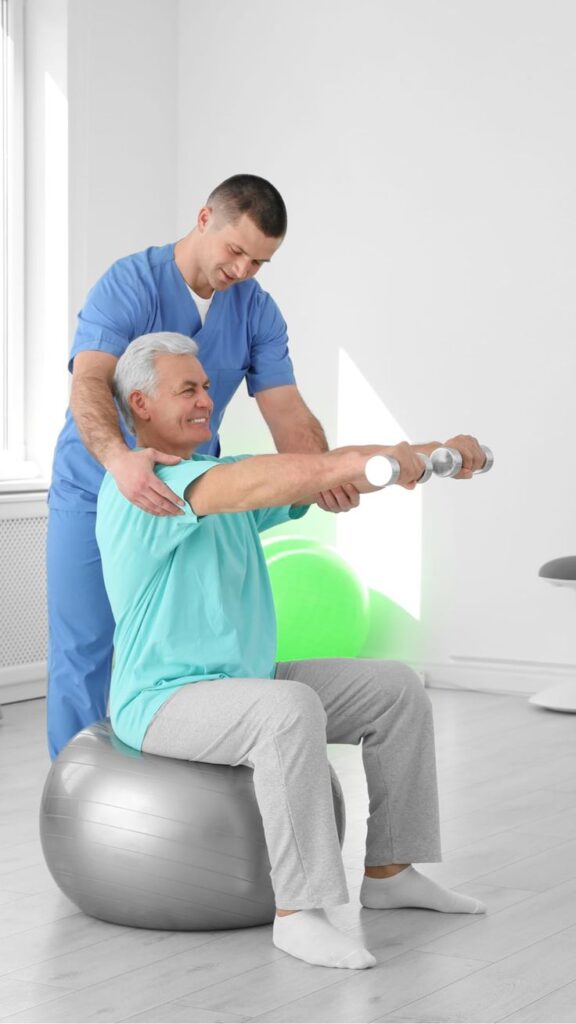
- Early Mobilization: Prevents deconditioning and improves circulation
- Positioning: Promotes comfort and decreased neck stiffness
- Respiratory Care: Breathing exercises to maintain lung function in bedridden patients
- Fatigue Management: Gradual activity pacing and energy conservation techniques
- Gentle Range of Motion (ROM): Prevents joint stiffness and muscle tightness
- Functional Training: Restoration of daily activities as recovery progresses
- Patient Education: Importance of rest, hydration, and gradual return to activity
Conclusion
Viral Meningitis is typically a self-limiting condition with a favorable prognosis. However, early diagnosis, supportive care, and appropriate physiotherapy interventions are important to enhance recovery, decrease complications, and restore functional independence.
What is Viral Meningitis?
It is inflammation of the meninges caused by viral infections, usually milder and self-limiting compared to bacterial meningitis.
What are common symptoms of Viral Meningitis?
Fever, headache, neck stiffness, photophobia, nausea, and mild confusion.
What is the role of physiotherapy in Viral Meningitis?
It helps recovery through early mobilization, ROM exercises, respiratory care, fatigue management, and functional training.
Need Personalized Guidance for Physiotherapy?
Our senior certified therapists at Aaziban Care Center provide customized 1-on-1 evaluation and treatment plans at our care centers.