
Introduction
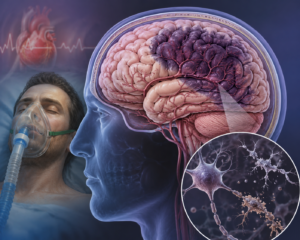
Fungal meningitis is a rare but serious infection of the central nervous system caused by fungal organisms. It is more commonly seen in individuals with weakened immune systems and requires prompt medical intervention.
Definition
Fungal meningitis is defined as inflammation of the meninges (protective coverings of the brain and spinal cord) caused by fungal pathogens, leading to progressive neurological impairment.
Etiology
- Caused by fungi such as Cryptococcus, Candida, Histoplasma, and Coccidioides
- Often acquired from environmental exposure (soil, bird droppings, contaminated air)
- Infection usually spreads through the bloodstream to the brain
- Not typically transmitted from person to person
Clinical Features
- Gradual onset of symptoms
- Persistent headache and fever
- Fatigue and malaise
- Neck stiffness
- Progressive neurological decline in severe cases
Signs and Symptoms
- Nausea and vomiting
- Altered mental status (confusion, drowsiness)
- Photophobia (light sensitivity)
- Cranial nerve involvement
- Seizures in advanced stages
- Signs of increased intracranial pressure
Physiotherapy Management
- Positioning: Prevent pressure sores and decreased intracranial pressure
- Range of Motion (ROM) Exercises: Maintain joint mobility and prevent contractures
- Chest Physiotherapy: Improve lung function and prevent secondary infections
- Early Mobilization: Enhance circulation and decrease complications such as DVT
- Cognitive Training: Address memory and attention deficits
- Neurological Rehabilitation: Improve balance, coordination, and motor function
- Patient & Caregiver Education: Focus on long-term care and prevention strategies
Risk Factors
- Immunocompromised conditions (e.g., HIV/AIDS, cancer, organ transplantation)
- Chronic illnesses (diabetes, kidney disease)
- Long-term corticosteroid or immunosuppressive therapy
- Exposure to contaminated environments (soil, bird droppings)
- Malnutrition
- Elderly population
Complication
- Increased intracranial pressure
- Vision or hearing impairment
- Hydrocephalus
- Permanent neurological deficits
- Seizure disorders
- Coma or death in severe, untreated cases
Conclusion
Fungal Meningitis is a life-threatening condition that primarily affects immunocompromised individuals. Early diagnosis and antifungal therapy are vital for survival. Physiotherapy plays an essential supportive role in preventing complications, restoring function, and improving quality of life through a multidisciplinary approach.
What is Fungal Meningitis?
It is inflammation of the meninges caused by fungal pathogens, leading to progressive neurological impairment.
What are common symptoms of Fungal Meningitis?
Persistent headache, fever, neck stiffness, nausea, photophobia, and altered mental status.
What is the role of physiotherapy in Fungal Meningitis?
It helps recovery through positioning, ROM exercises, chest physiotherapy, early mobilization, and neurological rehabilitation.
Need Personalized Guidance for Physiotherapy?
Our senior certified therapists at Aaziban Care Center provide customized 1-on-1 evaluation and treatment plans at our care centers.