Introduction
Souques’ phenomenon is a neurological sign commonly observed in patients with upper motor neuron lesions, especially after stroke. It reflects abnormal motor control and is often used clinically to assess recovery stages in hemiplegia.
Definition
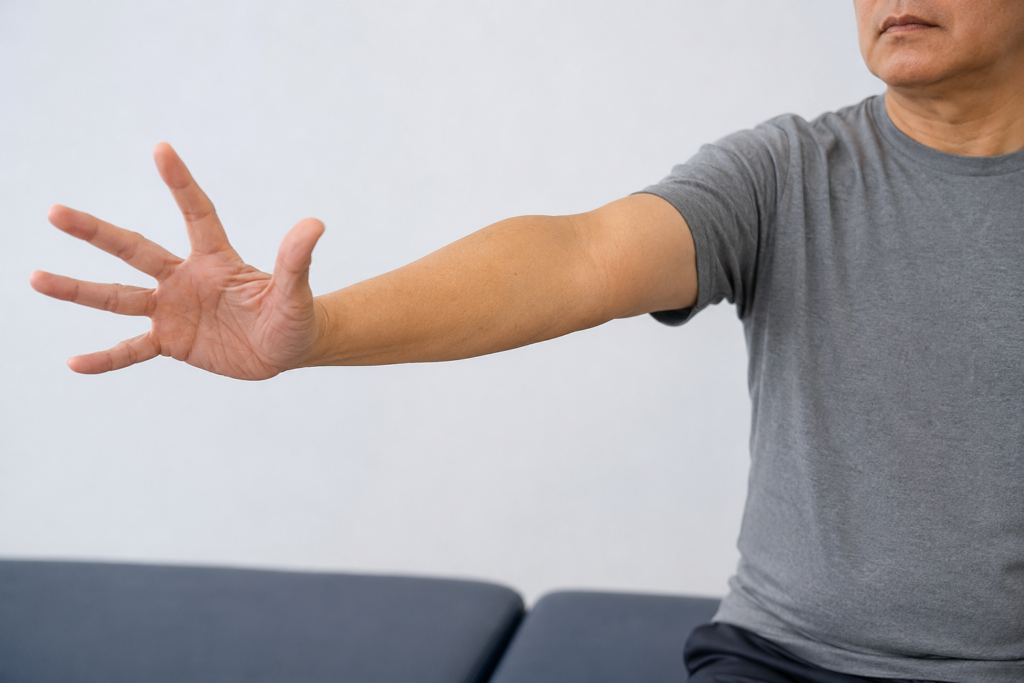
Souques’ phenomenon is defined as the involuntary extension and abduction of the fingers when the affected arm is elevated above the horizontal level. It is considered a sign of returning motor activity in patients with neurological impairment.
Etiology
Souques’ phenomenon is associated with:
- Stroke (most common cause)
- Traumatic brain injury
- Cerebral palsy
- Upper motor neuron lesions
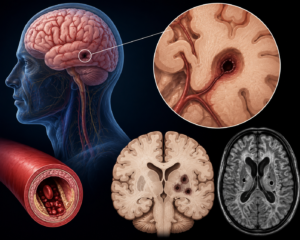
- Brain tumors or infections affecting motor pathways
Clinical Features
Typical clinical features include:
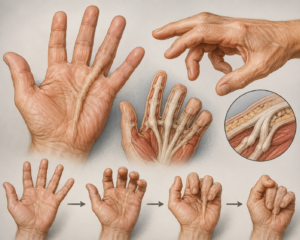
- Involuntary finger extension during arm elevation
- Presence in hemiplegic upper limb
- Seen during recovery phases of motor function
- Associated with spasticity and abnormal synergy patterns
Signs and Symptoms
Patients may exhibit:
- Abnormal finger movements on lifting the arm
- Increased muscle tone (spasticity)
- Poor voluntary control of hand muscles
- Difficulty in fine motor tasks
- Associated extension or flexion synergy patterns

Physiotherapy Management
Physiotherapy aims to improve motor control and functional ability:
- Neurofacilitation techniques (Bobath, PNF)
- Stretching exercises to decreased spasticity
- Functional training for activities of daily living (ADL)
- Constraint-induced movement therapy (CIMT)
- Mirror therapy to enhance motor recovery
- Strengthening exercises for selective muscle control
- Task-specific training for hand function
Complications
If not managed properly, it may lead to:
- Persistent abnormal movement patterns
- Contractures and joint stiffness
- Decreased hand function
- Functional dependence
- Decreased quality of life
Risk Factors
Key risk factors include:
- Stroke or brain injury
- Severe upper motor neuron damage
- Advanced age
- Delayed rehabilitation
- Poor compliance with therapy
Conclusion
Souques’ phenomenon is an important clinical sign indicating neurological recovery, particularly in stroke patients. Early physiotherapy intervention helps improve motor control, decreasd abnormal patterns, and enhance functional independence.
What is Souques’ phenomenon?
It is involuntary finger extension and abduction when the affected arm is raised, seen in neurological patients.
What is the most common cause of Souques’ phenomenon?
Stroke is the most common cause, especially in upper motor neuron lesions.
How is Souques’ phenomenon managed?
Through physiotherapy techniques like Bobath, PNF, stretching, and functional training to improve motor control.
Need Personalized Guidance for Physiotherapy?
Our senior certified therapists at Aaziban Care Center provide customized 1-on-1 evaluation and treatment plans at our care centers.