Introduction
Ectoprism is a clinical term used in ophthalmology and neuro-rehabilitation to describe a specific type of visual deviation. It is often associated with binocular vision disorders and can remarkably affect visual perception, coordination, and functional activities.
Definition
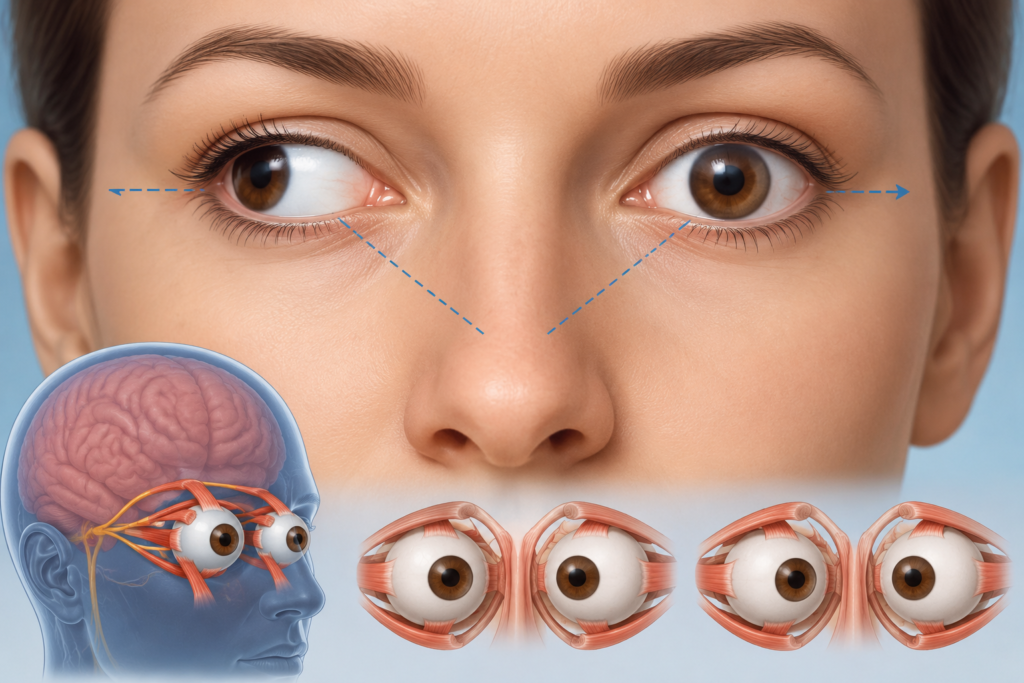
Ectoprism refers to an outward deviation of the visual axis, typically measured in prism diopters, where one or both eyes deviate laterally away from the midline. It is commonly related to exodeviation conditions such as exotropia or exophoria.
Etiology
Common causes include:
- Weakness or imbalance of the extraocular muscles
- Congenital ocular alignment disorders
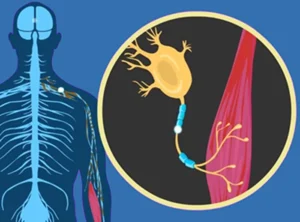
- Cranial nerve palsy (especially III, IV, or VI)
- Traumatic brain injury
- Neurological conditions affecting ocular motor control
- Visual fatigue or prolonged near work
Clinical Features
Typical clinical features include:
- Outward deviation of one or both eyes
- Decreased depth perception
- Problem maintaining binocular vision
- Eye strain during visual tasks
- Intermittent or constant deviation
Signs and Symptoms
Patients may present with:
- Diplopia (double vision)
- Headache and eye fatigue
- Blurred vision
- Difficulty focusing on near or distant objects
- Closing one eye to avoid double vision
- Poor hand-eye coordination
Physiotherapy Management
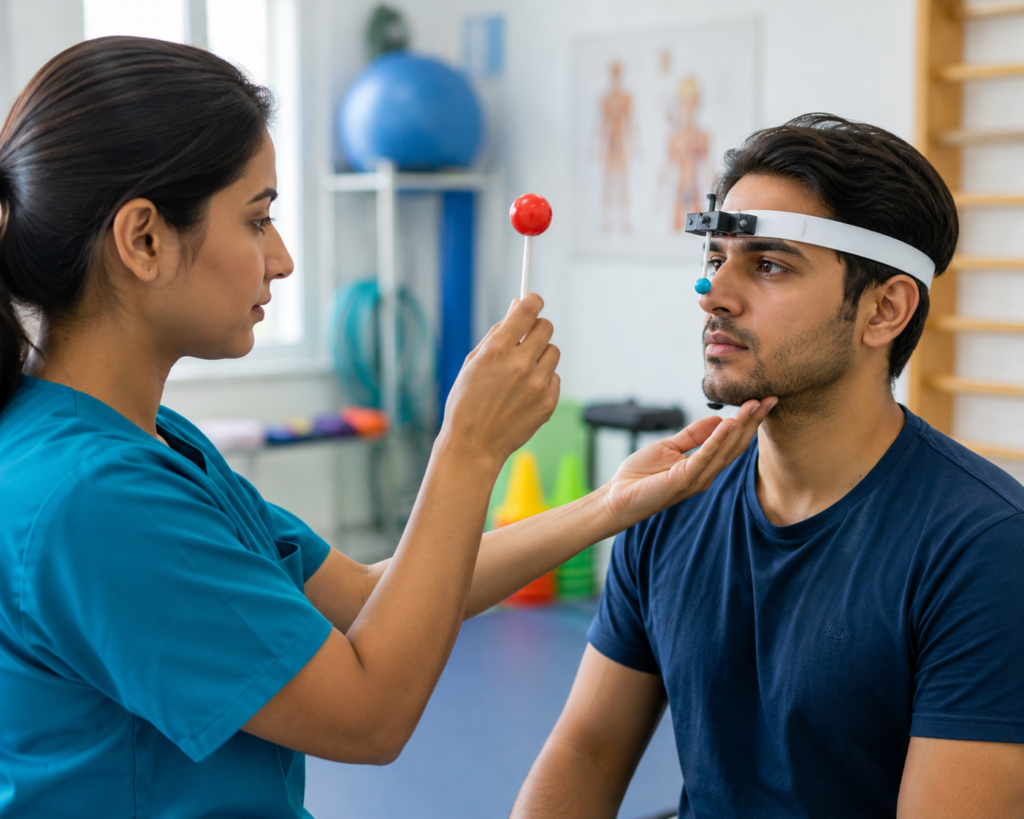
Physiotherapy and vision therapy aim to improve ocular control and coordination:
- Eye movement exercises (tracking and fixation)
- Visual-motor coordination activities
- Convergence training exercises
- Prism adaptation therapy (in collaboration with ophthalmologists)
- Postural correction and ergonomic advice
- Functional training for daily visual tasks
Complications
If untreated, ectoprism may lead to:
- Persistent diplopia
- Decreased binocular vision
- Impaired depth perception
- Decreased quality of life
- Functional limitations in daily life
Risk Factors
Key risk factors include:
- Neurological disorders
- Prolonged screen use
- Head injury
- Genetic predisposition
- Aging
- Poor visual hygiene
Conclusion
Ectoprism is an important visual condition that can affect both ocular alignment and functional performance. Early diagnosis and a multidisciplinary approach, including physiotherapy and vision therapy, are essential to restore visual function and improve quality of life.
Q: What is ectoprism?
A: Ectoprism is an outward deviation of the visual axis where one or both eyes turn laterally away from the midline.
Q: What are common symptoms of ectoprism?
A: Symptoms include double vision, eye strain, headache, blurred vision, and difficulty focusing.
Q: How is ectoprism managed in physiotherapy?
A: It is managed with eye movement exercises, visual-motor training, convergence exercises, posture correction, and vision therapy.
Need Personalized Guidance for Physiotherapy?
Our senior certified therapists at Aaziban Care Center provide customized 1-on-1 evaluation and treatment plans at our care centers.