

Understanding Child-Focused Stuttering
Childhood stuttering is a speech difference that often appears during the early stages of language development. For many families, it can feel worrying or confusing when a child begins to repeat sounds, hesitate, or struggle to get words out. However, childhood stuttering is not simply about speech—it also reflects how a child is developing communication skills in their own unique way.
In most cases, young children experience periods of normal disfluency as their vocabulary and sentence-building abilities grow rapidly. What matters most is not just the presence of stuttering, but how long it lasts, how intense it becomes, and how the child feels while speaking. A supportive, understanding environment at home and school plays a crucial role in shaping a child’s confidence and long-term communication development.
When Should Parents Consult a Speech Therapist for Stuttering?
Consider consulting a speech therapist if:
- Stuttering lasts longer than six months
- Symptoms worsen over time
- Your child appears frustrated
- Speech struggles become noticeable
- There is a family history of stuttering
Seeking advice early does not mean something is seriously wrong. It simply helps ensure your child receives the right support.
How Parents Should Respond When a Child Stutters
Your reaction matters greatly.
Helpful Responses
✔ Maintain eye contact
✔ Listen patiently
✔ Let your child finish speaking
✔ Focus on the message, not the stutter
✔ Speak calmly and slowly yourself
Supportive Example
When your child struggles to say a word, resist the urge to finish the sentence. Give them time and attention. Your patience sends a powerful message:
“What you have to say is important.”
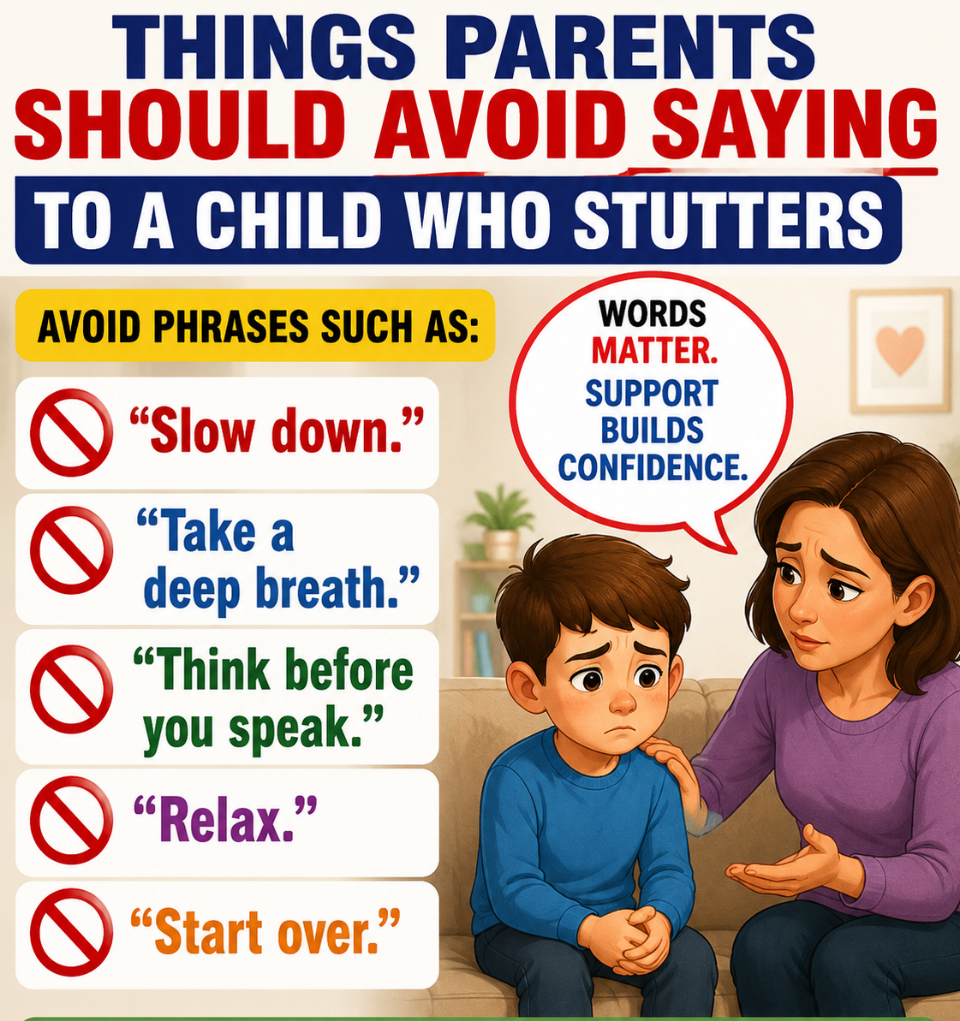
Although well-intentioned, these comments may increase pressure and self-consciousness. Instead, focus on encouragement and acceptance.
Stuttering in Preschool Children: What is Normal?
Many preschool children experience temporary speech disfluencies while their language skills are rapidly developing.Normal behaviors may include:
- Repeating words occasionally
- Hesitating while thinking
- Starting sentences again
Most children remain relaxed while speaking and do not seem bothered by these interruptions.
If speech disruptions become frequent, severe, or distressing, professional evaluation is recommended.
School Challenges Faced by Children Who Stutter
Children who stutter may face difficulties such as:
- Answering questions in class
- Reading aloud
- Participating in group discussions
- Making presentations
- Making new friends
These challenges can sometimes affect confidence and academic participation.
With understanding teachers and supportive classmates, children can thrive in school.
Bullying and Stuttering: Protecting a Child’s Confidence
Unfortunately, some children who stutter may experience teasing or bullying.Signs may include:
- Refusing to attend school
- Withdrawal from social activities
- Sudden changes in mood
- Reluctance to speak
Parents and teachers should address bullying immediately and create a safe environment where every child feels respected.A child’s confidence is just as important as speech fluency.
How Teachers Can Support Students Who Stutter
Teachers play a vital role.Helpful strategies include:
- Allow extra speaking time
- Avoid interrupting
- Encourage participation without pressure
- Maintain eye contact
- Foster a respectful classroom culture
When teachers demonstrate patience and acceptance, classmates often follow their example.
Play-Based Therapy Approaches for Childhood Stuttering
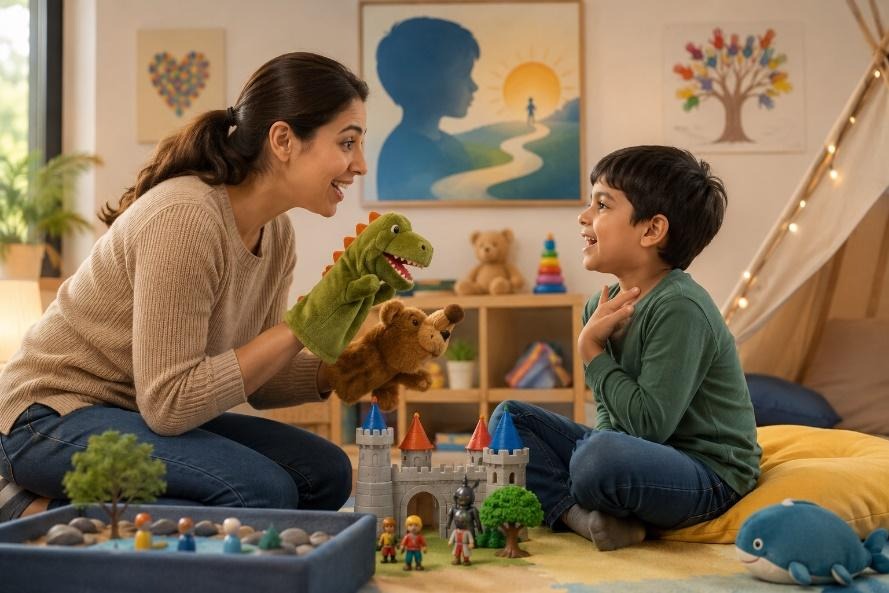
Young children learn best through play.Speech therapists may use:
- Storytelling games
- Role-playing activities
- Puppet play
- Interactive conversations
- Picture-based activities
These enjoyable activities help children practice communication naturally while reducing speaking pressure.
Impact of Family Communication Style on Fluency
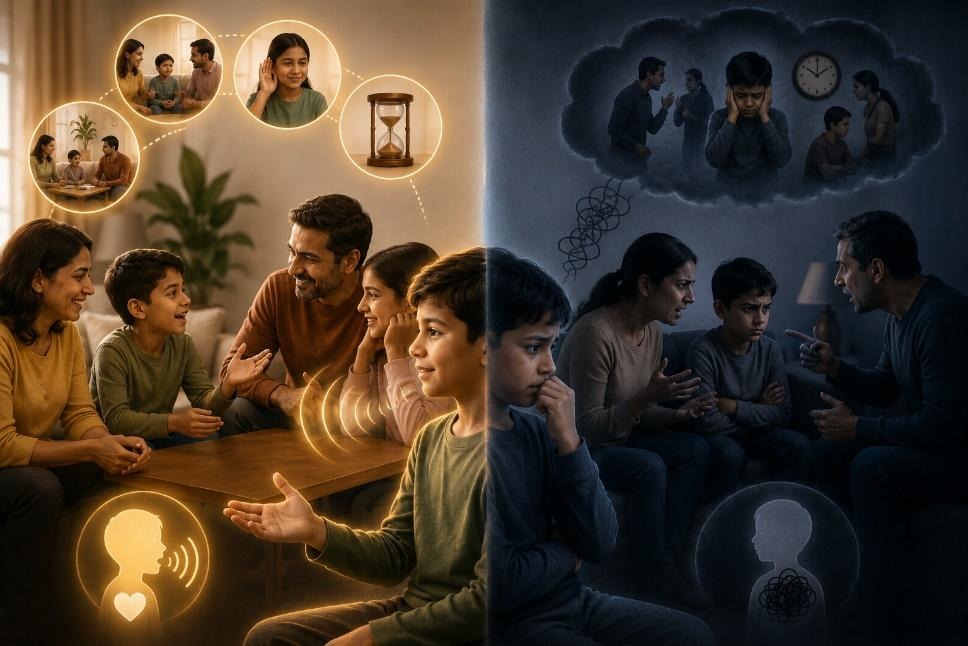
Family communication habits can influence how comfortable a child feels when speaking. Helpful family habits include:
- Taking turns during conversations
- Listening without interruption
- Reducing time pressure
- Creating calm family discussions
A Family Success Story
One family started having a daily 15-minute “quiet conversation time” where everyone listened patiently without interrupting. Over time, their child became more willing to talk and felt less anxious during conversations.
Small changes at home can create a big difference.
Emotional Effects of Stuttering in Children
Childhood stuttering affects more than just speech.
Children with childhood stuttering may experience:
- Embarrassment
- Frustration
- Anxiety
- Low confidence
- Fear of speaking
The emotional impact of childhood stuttering often depends on how others respond.
When children with childhood stuttering feel accepted, understood, and supported, they are more likely to develop resilience, confidence, and a positive attitude toward communication.
Final Takeaway
If your child is experiencing childhood stuttering, remember that they are far more than their speech difficulties. They have dreams, talents, ideas, and stories worth sharing. Your patience, understanding, and encouragement can help them build confidence and develop strong communication skills.
At Aaziban, we believe every child deserves a supportive environment where they feel heard, valued, and empowered. With early guidance, family involvement, and professional support, childhood stuttering can be effectively managed, helping children communicate with confidence and reach their full potential.
1: When should I seek professional help for my child’s stuttering?
You should consider consulting a speech therapist if your child’s stuttering lasts longer than six months, becomes more severe over time, causes frustration, or if there is a family history of stuttering. Early guidance can help ensure your child receives appropriate support.
2: How can I support my child when they stutter?
The best way to support your child is to listen patiently, maintain eye contact, allow them to finish speaking, and focus on their message rather than their speech difficulty. Creating a calm and accepting environment can help build their confidence.
3: Is stuttering normal in preschool children?
Many preschool children experience temporary speech disfluencies as their language skills develop rapidly. Occasional word repetitions and hesitations are often normal. However, if speech disruptions become frequent, severe, or cause distress, a professional evaluation may be beneficial.
Need Personalized Guidance for Speech Therapy?
Our senior certified therapists at Aaziban Care Center provide customized 1-on-1 evaluation and treatment plans at our care centers.