
Introduction
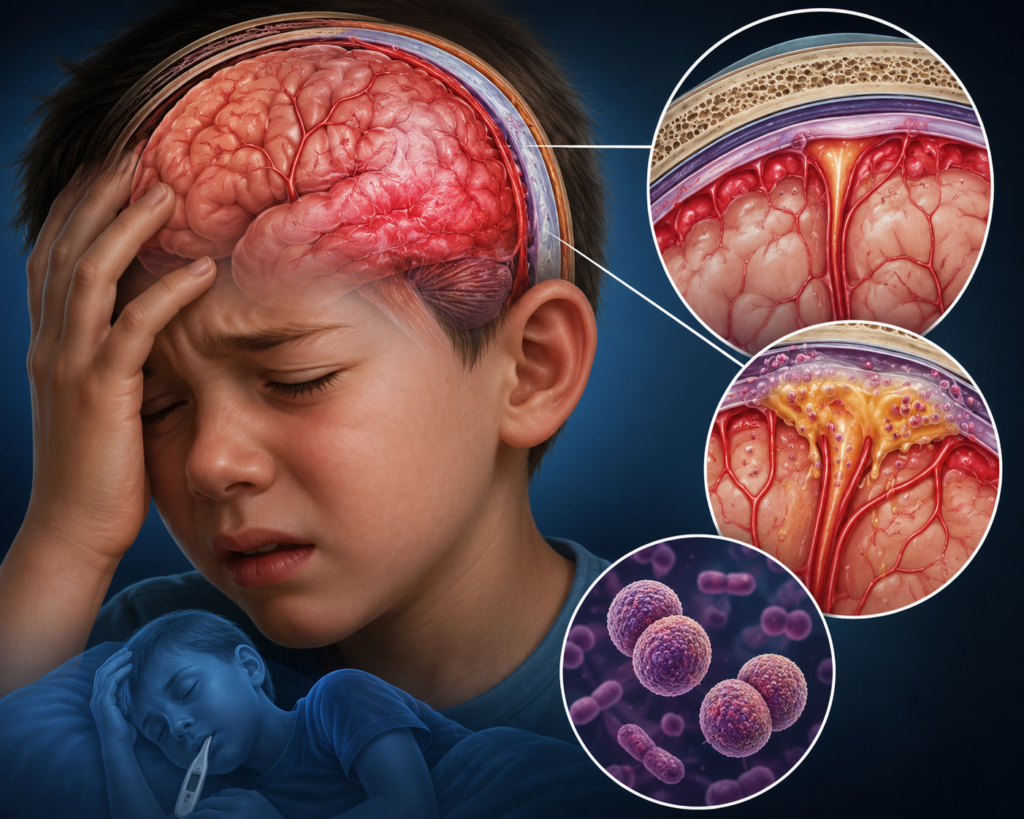
Bacterial meningitis is a serious and potentially life-threatening infection of the central nervous system. It requires urgent medical intervention, as delayed treatment can lead to severe complications, long-term disability, or death.
Definition
Bacterial meningitis is an acute inflammation of the meninges caused by bacterial pathogens, resulting in increased intracranial pressure, neurological dysfunction, and systemic illness.
Etiology
- Common causative organisms include:
- Streptococcus pneumoniae
- Neisseria meningitidis
- Haemophilus influenzae
- Infection spreads via the bloodstream, direct extension (ear/sinus infections), or trauma
- May follow respiratory infections or neurosurgical procedures
Clinical Features
- Sudden onset of symptoms
- Severe headache
- High-grade fever
- Rapid deterioration in consciousness
- Neck stiffness
- Sensitivity to light (photophobia)
Signs and Symptoms
- Nausea and vomiting
- Seizures in severe cases
- Altered mental status (confusion, delirium)
- Focal neurological deficits
- Signs of raised intracranial pressure (papilledema)

Physiotherapy Management
- Positioning: Helps decrease intracranial pressure and prevent bed sores
- Early Mobilization: Prevents complications such as deep vein thrombosis (DVT)
- Chest Physiotherapy: Assists in secretion clearance in immobilized patients
- Range of Motion (ROM) Exercises: Maintains joint mobility and prevents contractures
- Neurological Rehabilitation: Improves strength, coordination, and balance
- Postural Training: Enhances functional independence
- Patient and Caregiver Education: Focus on prevention and long-term care
Risk Factors
- Infants and elderly individuals
- Immunocompromised states (e.g., HIV/AIDS, cancer)
- Close contact with infected individuals
- Lack of vaccination
- Poor living conditions and overcrowding
- Head injury or skull fractures
- Chronic illnesses (e.g., diabetes, alcoholism)
Complication
- Brain edema and increased intracranial pressure
- Hearing loss or cranial nerve damage
- Hydrocephalus
- Seizure disorders
- Cognitive impairment
- Septic shock
- Long-term neurological disability or death
Conclusion
Bacterial Meningitis is a medical emergency requiring rapid diagnosis and antibiotic treatment. Alongside medical care, physiotherapy plays a vital role in preventing complications and promoting functional recovery. A multidisciplinary approach ensures improved survival and quality of life.
What is Bacterial Meningitis?
It is an acute infection of the meninges caused by bacteria, leading to inflammation, increased intracranial pressure, and neurological dysfunction.
What are common symptoms of Bacterial Meningitis?
High fever, severe headache, neck stiffness, altered mental status, vomiting, and seizures in severe cases.
What is the role of physiotherapy in Bacterial Meningitis?
It aids recovery through positioning, early mobilization, chest physiotherapy, ROM exercises, and neurological rehabilitation.
Need Personalized Guidance for Physiotherapy?
Our senior certified therapists at Aaziban Care Center provide customized 1-on-1 evaluation and treatment plans at our care centers.