









and

Charcot Knee Joint: Pathophysiology and Treatment Approaches

ec92c27573de94a88fd67f8e9eca9ad2

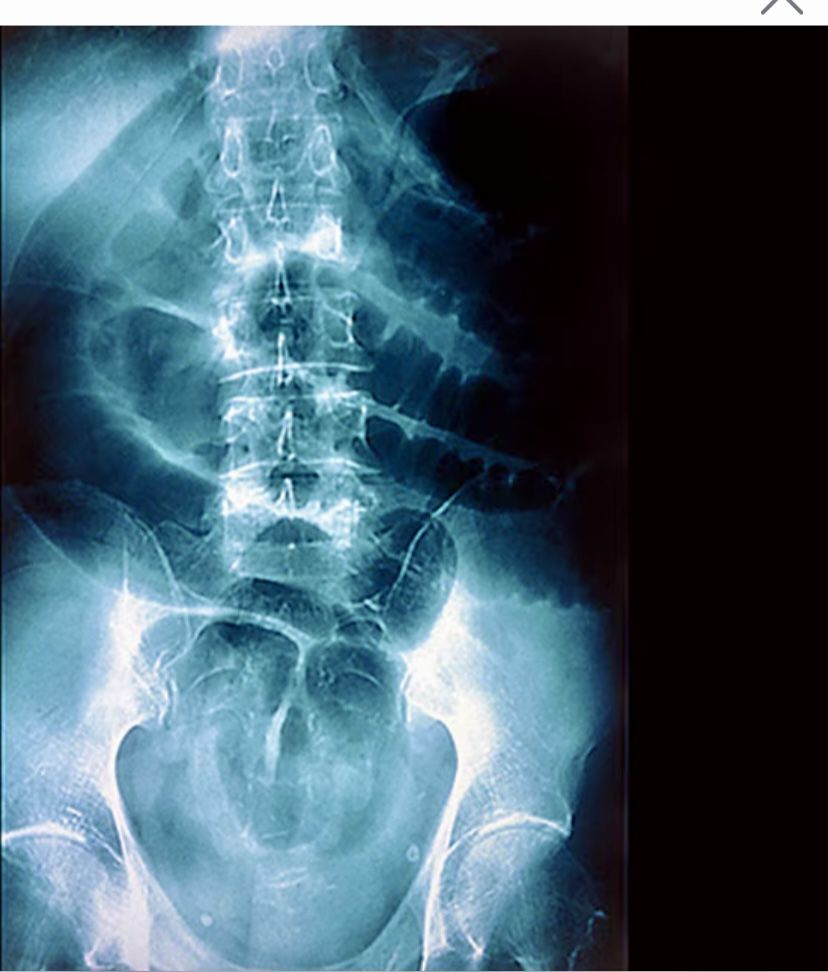
Introduction Charcot knee joint is a progressive, degenerative neuropathy affecting one or more joints, most commonly the knee, due to underlying neurological deficits that impair sensation and proprioception. The knee, hip, shoulder or ankle joints are commonly affected. However, in rare instances, other smaller joints may also be affected.  Definition Charcot knee joint is a …

Charcot Knee Joint: Pathophysiology and Treatment Approaches Read More »

Living with Rheumatoid Arthritis: Challenges and Treatment Options

admin ajax (1)

Introduction Rheumatoid arthritis (RA) is a systemic disease which results in chronic inflammation and destruction of synovial joints. It is an autoimmune disease that involves systems/organs other than the bones and joints alone. Etiology The etiology is unclear; however, various factors like climate, race, diet, psychosomatic disorders, trauma, endocrine dysfunction, biochemical disorders, hereditary influences, disturbances …

Living with Rheumatoid Arthritis: Challenges and Treatment Options Read More »

Vertebro Basilar insufficiency

admin ajax (31) (1)

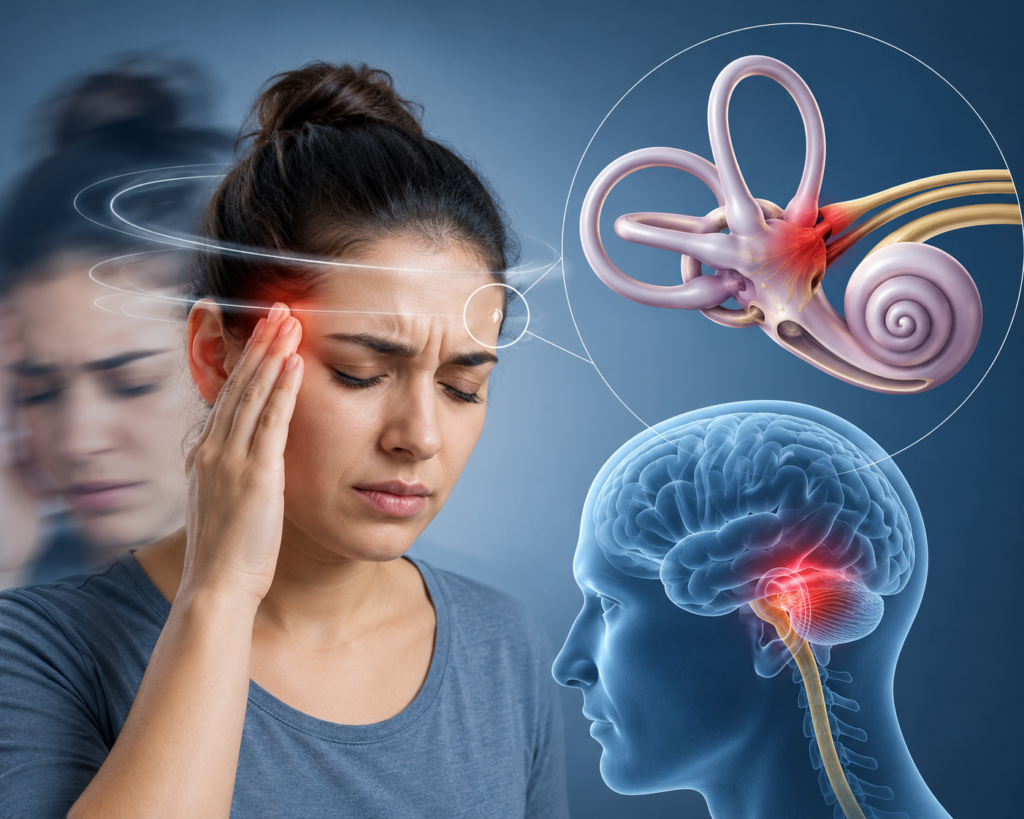
Vertebrobasilar insufficiency (VBI) occurs when blood flow to the back of the brain is reduced or blocked. This region controls essential functions like balance and movement. While many people with VBI experience only mild symptoms, the condition significantly increases the risk of stroke or a transient ischemic attack (TIA or mini-stroke). In severe cases, it …

Vertebro Basilar insufficiency Read More »

Congenital Hip Dislocation

image

Congenital hip dislocation, now more commonly referred to as developmental dysplasia of the hip (DDH), is a condition where a child’s hip joint is improperly formed. This can range from a slightly shallow socket to a completely dislocated hip.It develops  at birth or develops during infancy.it is  More common in girls, first-born children, and breech …

Congenital Hip Dislocation Read More »

Transient Ischemic Attack

admin ajax (29) (1)

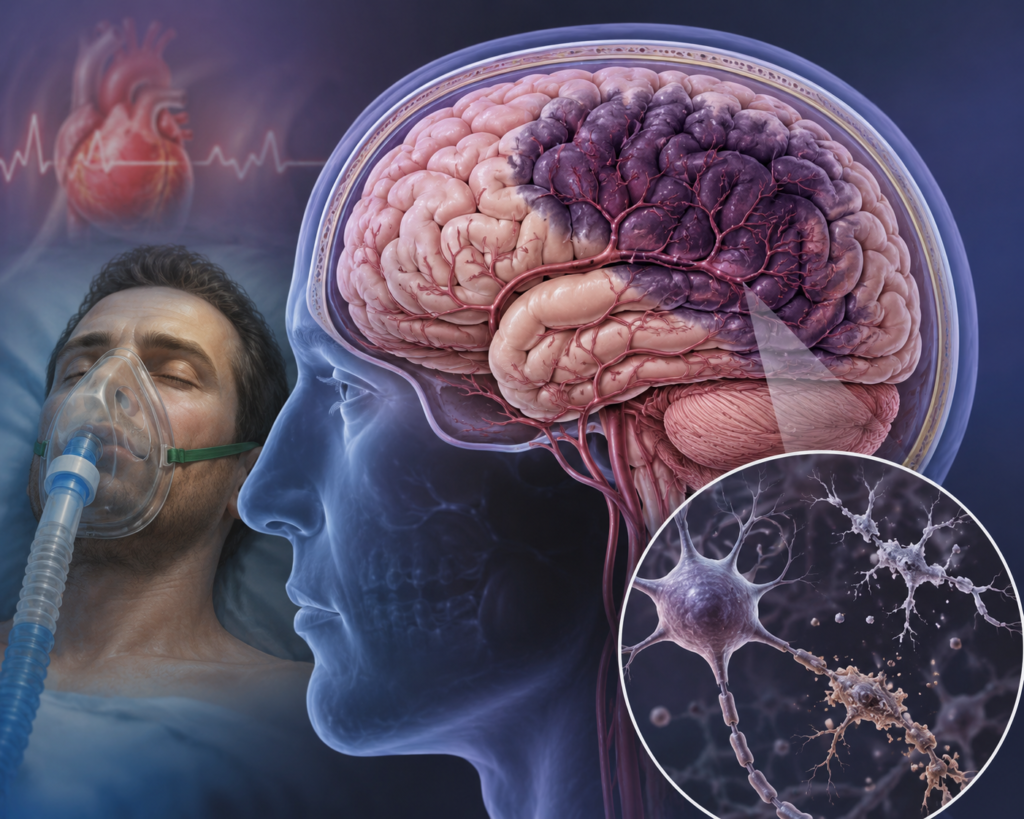
A Transient Ischemic Attack (TIA), often called a “mini-stroke”, is a temporary period of symptoms similar to those of a stroke. It occurs when there is a brief interruption in blood flow to part of the brain, spinal cord, or retina — typically lasting only a few minutes and not causing permanent damage. Causes  A …

Transient Ischemic Attack Read More »

Emphysema

admin ajax (28) (1)

Emphysema is a chronic lung disease that damages the air sacs (alveoli) in the lungs, making it difficult to breathe. It is a type of chronic obstructive pulmonary disease (COPD) and is primarily caused by long-term exposure to cigarette smoke or other lung irritants. Over time, emphysema reduces the lungs’ ability to exchange oxygen, leading …

Emphysema Read More »

Causes and Symptoms of ALS

causes and symptoms of als

ALS, also known as Lou Gehrig’s disease, is a serious illness that slowly damages the nerve cells in the brain and spinal cord. These nerve cells control the muscles that help us move, speak, eat, and breathe. Over time, people with ALS lose the ability to do these things because their muscles get weaker and …

Causes and Symptoms of ALS Read More »

Physiotherapy Management Of Carpal Tunnel Syndrome

carpal tunnel syndrome and its physiotherapy management

Carpal Tunnel Syndrome happens when a nerve in your wrist (called the median nerve) gets squeezed. This can cause pain, numbness, tingling, and weakness in your hand and fingers. physiotherapy management play a key role for recovering from carpal tunnel syndrome Aims of physiotherapy management for carpal tunnel syndrome  The main goals of physiotherapy for …

Physiotherapy Management Of Carpal Tunnel Syndrome Read More »

Tuberculosis

tuberculosis

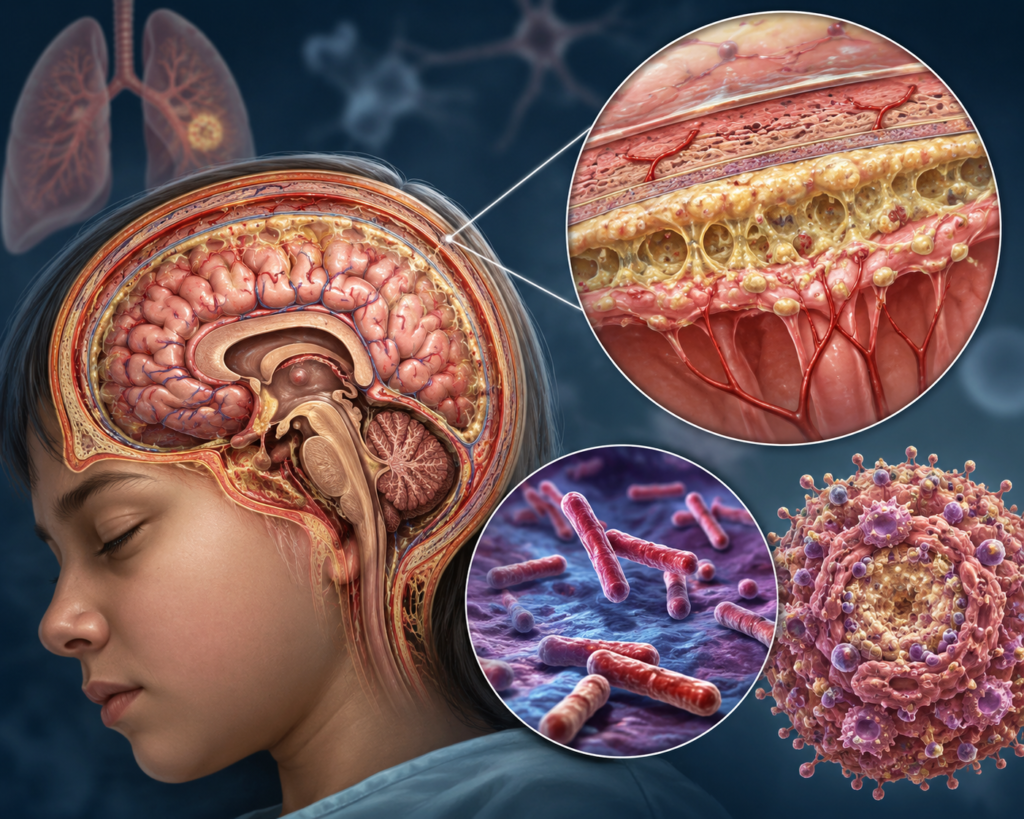
Tuberculosis (TB) is a bacterial infection caused by Mycobacterium tuberculosis. It primarily affects the lungs but can spread to other parts of the body, such as the brain, spine, or kidneys. TB spreads through the air when an infected person coughs or sneezes. Causes of Tuberculosis TB is caused by the bacterium Mycobacterium tuberculosis, which …

Tuberculosis Read More »

Chia Seeds And Their Anti-Aging Benefits: Fact or Fiction?

anti ageing

Chia seeds have gained recognition for their potential anti-ageing benefits, thanks to their impressive nutritional profile. Packed with omega-3 fatty acids, antioxidants, fiber, and protein, these tiny seeds support overall health and may help in slowing down the ageing process.  Antioxidant Properties Chia seeds are rich in antioxidants such as chlorogenic acid, caffeic acid, and …

Chia Seeds And Their Anti-Aging Benefits: Fact or Fiction? Read More »

Emotional and Behavioral Disorders  

images (13) (1)

 Definition   Emotional and Behavioral Disorders (E B D) refer to conditions that impact emotional regulation and behavior, interfering with daily life, relationships, and learning. These include anxiety, depression, A D H D, and conduct disorders.    Characteristics   E B D can be categorized into emotional, behavioral, and cognitive aspects.   1. Emotional Characteristics       Excessive fear, anxiety, or …

Emotional and Behavioral Disorders   Read More »

De Quervain’s Tenosynovitis

de quervain's tenosynovitis

De Quervain’s tenosynovitis is a condition that affects the tendons on the thumb side of your wrist. It causes pain and swelling in the wrist near the base of the thumb. This condition is usually caused by repetitive hand or wrist movements, such as lifting heavy objects or activities that involve gripping, like gardening or …

De Quervain’s Tenosynovitis Read More »

Pelvic Floor Dysfunction

pelvic floor dysfunction

Pelvic Floor Dysfunction (PFD) refers to a variety of conditions where the muscles of the pelvic floor (the group of muscles and tissues that support the bladder, bowel, and reproductive organs) do not function properly. This can lead to a variety of symptoms, including problems with urination, bowel movements, sexual function, and pelvic organ prolapse. …

Pelvic Floor Dysfunction Read More »

Trigger Finger

trigger finger

“Trigger finger” is a condition that causes one of your fingers (often the thumb or middle finger) to become stuck in a bent position and then snap straight, like pulling a trigger and releasing it. Medically, it’s known as stenosing tenosynovitis. The condition occurs when the tendon in the affected finger or thumb becomes irritated …

Trigger Finger Read More »