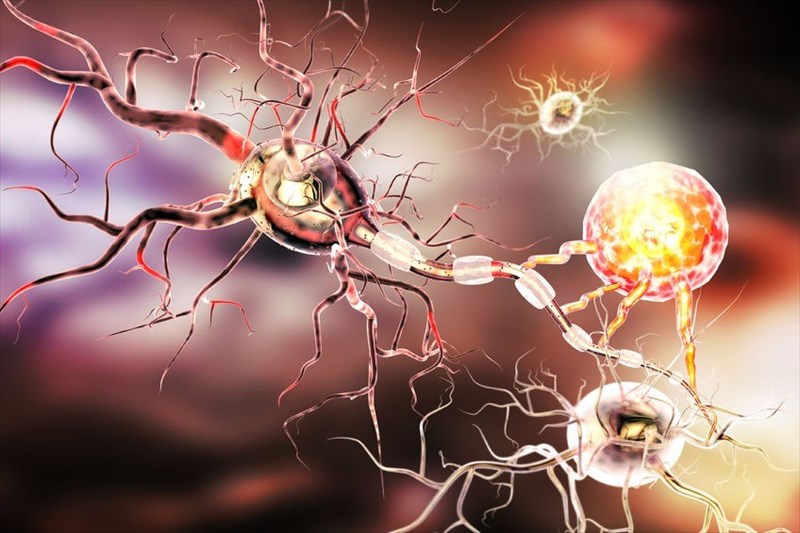
causes

Neurogenic Bladder: Causes, Symptoms & Physiotherapy Management
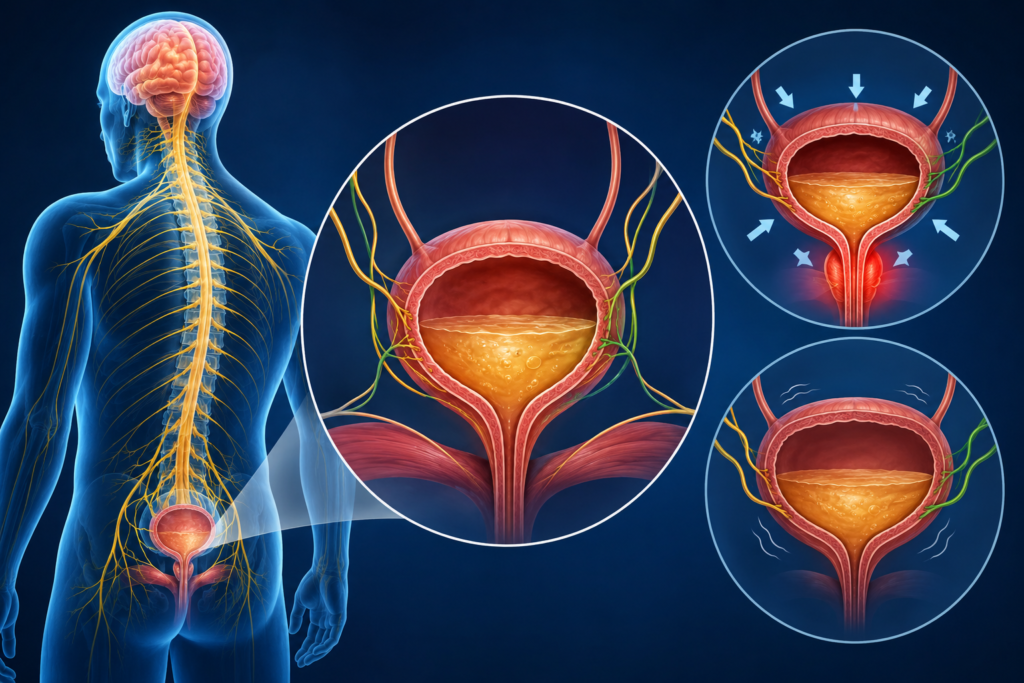
Neurogenic bladder

Introduction Neurogenic bladder is a dysfunction of the urinary bladder caused by damage to the nervous system. It affects the normal storage and emptying of urine, leading to significant physical and social challenges. Early diagnosis and proper management are essential to prevent complications. Definition Neurogenic bladder refers to impaired bladder control due to neurological disorders …

Neurogenic Bladder: Causes, Symptoms & Physiotherapy Management Read More »
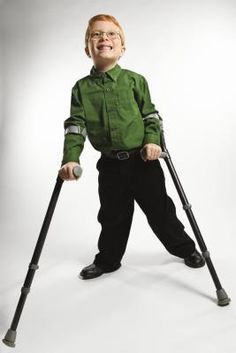
Crutch Palsy: Causes, Clinical Features, and Rehabilitation Approach

Crutch Palsy

Introduction Crutch Palsy is a neurological condition that occurs due to prolonged or improper use of crutches. It commonly affects individuals who rely on axillary crutches for mobility after injuries or surgeries. Excessive pressure in the armpit region can compress important nerves, particularly the radial nerve, leading to weakness and sensory disturbances in the upper …

Crutch Palsy: Causes, Clinical Features, and Rehabilitation Approach Read More »

Dysphagia: Causes, Symptoms, and Rehabilitation Approach

Dysphagia

Introduction Dysphagia is a common medical condition characterized by difficulty in swallowing. It can occur due to neurological, muscular, or structural abnormalities affecting the swallowing mechanism. Dysphagia may lead to inadequate nutrition, dehydration, and respiratory complications if not managed properly. Early identification and appropriate rehabilitation are essential to upgrade swallowing function and quality of life. …

Dysphagia: Causes, Symptoms, and Rehabilitation Approach Read More »

Hypophonia: Causes, Clinical Features, and Rehabilitation Approach

0a9ebc3b8d0a05a08c0bd2ff205fd191

Introduction Hypophonia is a common speech disorder often observed in neurological conditions. It is characterized by a decreased voice volume that makes speech difficult to hear and understand. This condition remarkably affects communication, social interaction, and quality of life. Early recognition and proper rehabilitation strategies are important for improving speech clarity and functional communication. Definition …

Hypophonia: Causes, Clinical Features, and Rehabilitation Approach Read More »

Anoxic Brain Injury: Causes, Clinical Features, and Rehabilitation

Anoxic Brain Injury

Introduction Anoxic Brain Injury (ABI) occurs when the brain is completely deprived of oxygen for a significant period. Since brain cells are highly sensitive to oxygen deprivation, even a few minutes without oxygen can lead to permanent neurological damage. Early medical intervention and structured rehabilitation are important for recovery and functional improvement. Definition Anoxic Brain …

Anoxic Brain Injury: Causes, Clinical Features, and Rehabilitation Read More »

Brain Tumors: Causes, Clinical Features, and Rehabilitation Approach

Brain Tumors

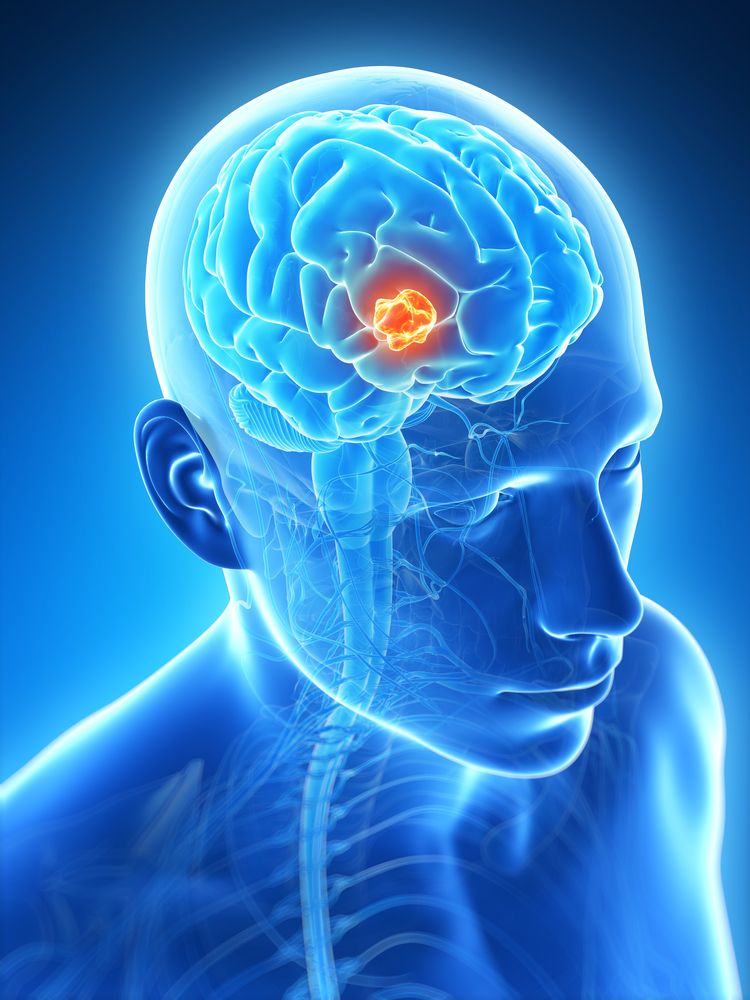
Introduction Brain Tumors are abnormal growths of cells within the brain or surrounding structures. They can remarkably affect neurological function, physical abilities, cognition, and quality of life. Early diagnosis, medical management, and rehabilitation—especially physiotherapy—play a crucial role in improving functional outcomes and independence. Definition A brain tumor is a mass or growth of abnormal cells …

Brain Tumors: Causes, Clinical Features, and Rehabilitation Approach Read More »

Hydrocephalus: Understanding Causes, Symptoms, and Rehabilitation

Hydrocephalus

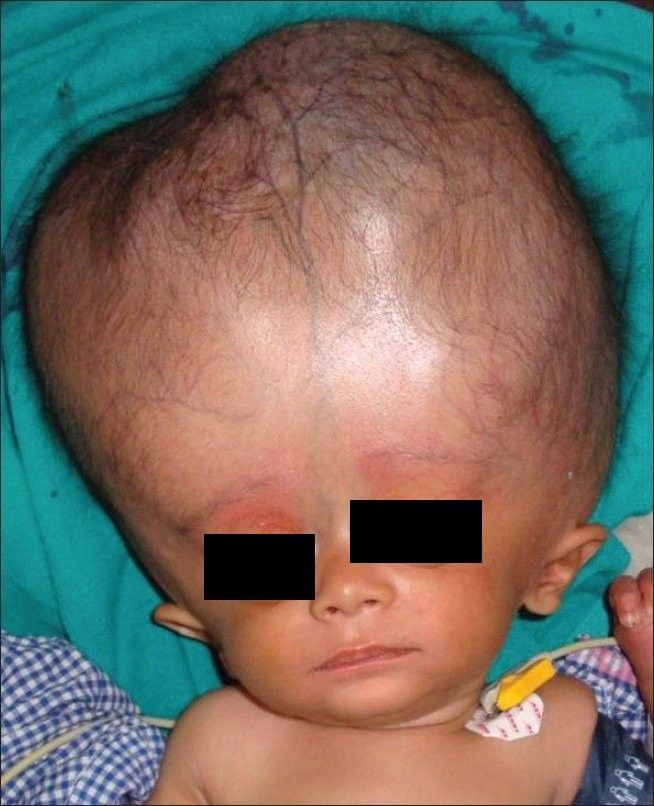
Introduction Hydrocephalus is a neurological condition characterized by abnormal accumulation of cerebrospinal fluid (CSF) within the brain ventricles. This excessive fluid buildup increases intracranial pressure and can impair brain development and function. Early diagnosis, medical management, and physiotherapy play avital role in improving functional outcomes and quality of life. Definition Hydrocephalus is defined as a …

Hydrocephalus: Understanding Causes, Symptoms, and Rehabilitation Read More »

Tendo-Achilles Tendon Peritendinitis: Causes, Symptoms, and Physiotherapy Care

Tendo-Achilles tendon peritendinitis

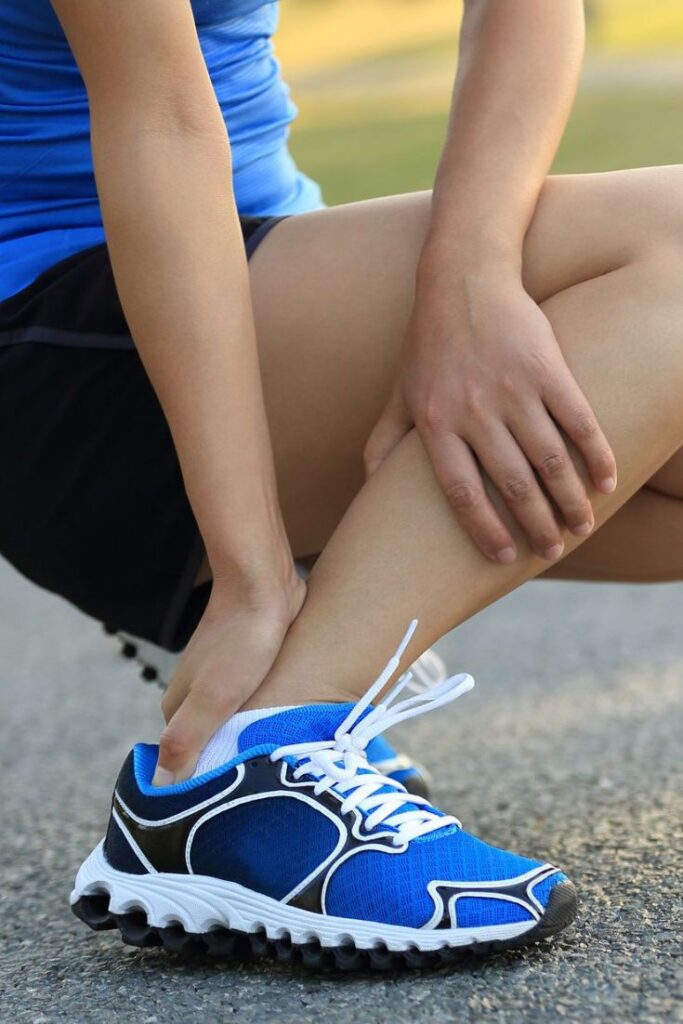
Introduction Tendo-Achilles Tendon Peritendinitis is an overuse injury affecting the tissues surrounding the Achilles tendon. It is commonly seen in athletes, runners, and individuals involved in repetitive loading activities. Early diagnosis and acquiring physiotherapy management are necessary to prevent chronic pain and functional limitation. Definition Tendo-Achillis tendon peritendinitis refers to inflammation of the peritendon—the connective …

Tendo-Achilles Tendon Peritendinitis: Causes, Symptoms, and Physiotherapy Care Read More »

Multiple System Atrophy: Causes, Symptoms, and Rehabilitation Strategies

Multiple System Atrophy

Introduction Multiple System Atrophy (MSA) is a rare, progressive neurodegenerative disorder that affects movement, balance, and autonomic nervous system functions. It is characterized by a combination of Parkinsonian features, cerebellar dysfunction, and autonomic failure. Early recognition and supportive rehabilitation play a vital role in improving quality of life. Definition Multiple System Atrophy is an adult-onset …

Multiple System Atrophy: Causes, Symptoms, and Rehabilitation Strategies Read More »

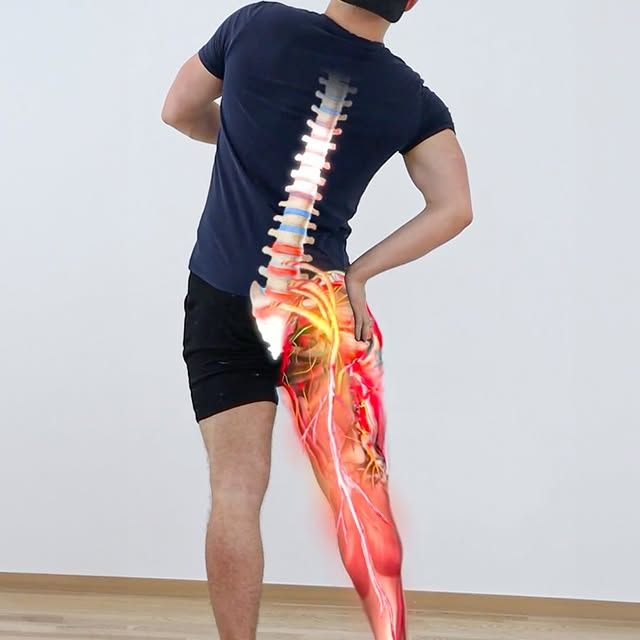
Sciatica: Causes, Symptoms, and Effective Pain Relief

Sciatica

Introduction Sciatica is a common neuromuscular condition characterized by pain radiating along the path of the sciatic nerve. It often affects the lower back, buttocks, and one or both lower limbs. Sciatica can remarkably interfere with daily activities, posture, and mobility if not addressed early. Definition Sciatica refers to a set of symptoms caused by …

Sciatica: Causes, Symptoms, and Effective Pain Relief Read More »

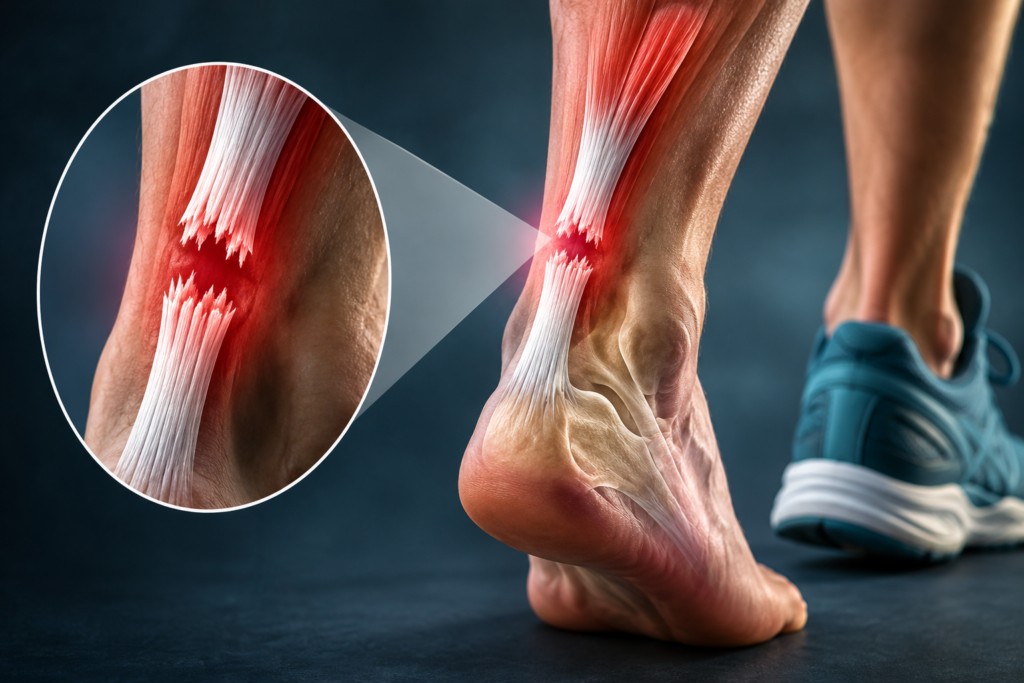
 Tendo-Achilles Tendon Rupture : Causes, Symptoms & Effective Rehabilitation

Tendo-Achilles Tendon Rupture

Introduction Tendo-Achilles Tendon Rupture is a common orthopaedic injury that affects individuals involved in sports, sudden high-impact activities, or those with predisposing tendon weaknesses. As the strongest tendon in the body, the Achilles plays a crucial role in walking, running, and jumping. A rupture significantly limits mobility and requires timely management to restore function and …

 Tendo-Achilles Tendon Rupture : Causes, Symptoms & Effective Rehabilitation Read More »

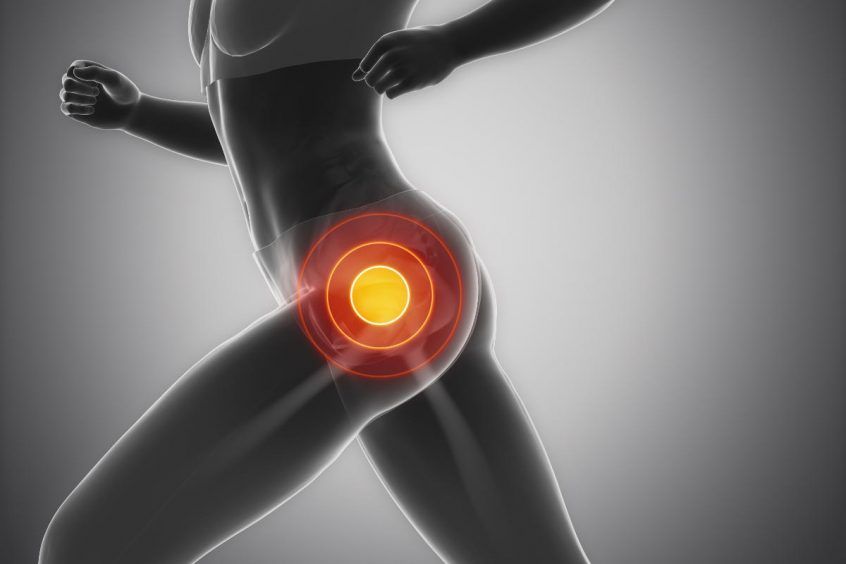
Trochanteric Bursitis: Causes, Symptoms & Physiotherapy Management

Trochanteric Bursitis

Introduction Trochanteric Bursitis is a common cause of lateral hip pain, especially in adults and older individuals. It affects mobility, sleep, and daily activities due to inflammation of the bursae around the greater trochanter. Early identification and Correct physiotherapy intervention significantly decreases pain and stops chronic disability. Definition Trochanteric Bursitis is the inflammation of the …

Trochanteric Bursitis: Causes, Symptoms & Physiotherapy Management Read More »
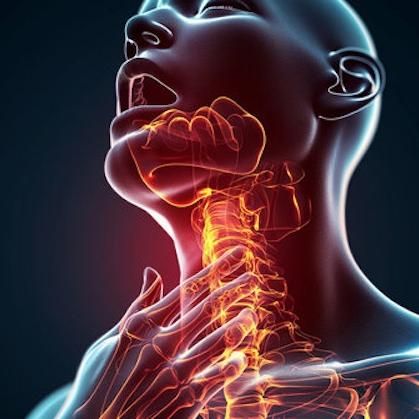
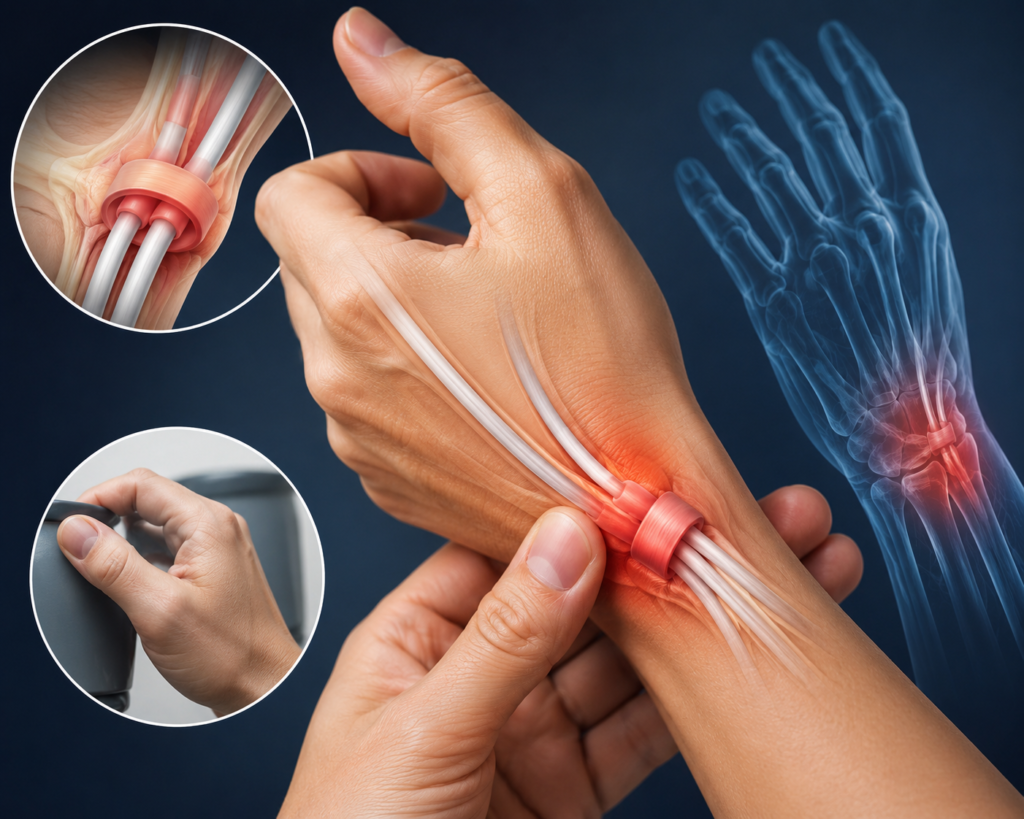
De Quervain’s Disease: Causes, Symptoms, and Physiotherapy Management

De Quervain’s Disease

Introduction De Quervain’s Disease, also known as De Quervain’s Tenosynovitis, is a painful condition affecting the thumb side of the wrist. It commonly occurs in individuals who perform repetitive hand or wrist movements, making primary recognition and management crucial for practical recovery. Definition De Quervain’s Disease is an inflammatory condition involving the abductor pollicis longus …

De Quervain’s Disease: Causes, Symptoms, and Physiotherapy Management Read More »

Eating Disorder

Eating Disorder

Definition of Eating Disorder An eating disorder is a serious mental health condition marked by abnormal eating behaviors that negatively impact a person’s physical health, emotional well-being, and overall quality of life. These disorders often involve an unhealthy obsession with food, body weight, or body image, leading to behaviors like extreme food restriction, binge eating, …

Eating Disorder Read More »

Causes and Symptoms of ALS

causes and symptoms of als

ALS, also known as Lou Gehrig’s disease, is a serious illness that slowly damages the nerve cells in the brain and spinal cord. These nerve cells control the muscles that help us move, speak, eat, and breathe. Over time, people with ALS lose the ability to do these things because their muscles get weaker and …

Causes and Symptoms of ALS Read More »