

Have you ever lost your voice after cheering at a sports event or talking all day? Most of us have. Usually, the voice returns after a little rest. But what if the hoarseness doesn’t go away? What if speaking becomes tiring or painful every day? Imagine a school teacher named Meera. She loved teaching and speaking with her students. Over time, she noticed her voice becoming rough by the afternoon. She thought it was just tiredness and ignored it. Months later, she could barely complete a class without discomfort. When she finally visited a doctor, she learned that she had developed vocal nodules—small growths on her vocal cords caused by constant strain. The good news? With voice therapy, healthy voice habits, and proper guidance, Meera recovered and returned to teaching confidently. Like Meera, many people ignore early signs of voice problems. Whether you’re a parent worried about your child’s voice, a teacher, a singer, or someone who uses their voice every day, understanding voice disorders can help you protect one of your most valuable tools—your voice.
When Is Hoarseness a Sign You Shouldn’t Ignore?
A sore or hoarse voice during a cold is usually nothing to worry about. It often improves within a few days.
However, if your voice remains hoarse for more than two weeks, it’s time to pay attention.
Persistent hoarseness is not something you should ignore. It may simply be due to overusing your voice, but sometimes it can be an early sign of a condition that needs treatment.
You should consider seeing a doctor if:
- Your voice stays hoarse for more than two weeks.
- Speaking becomes painful.
- Your voice suddenly changes without an obvious reason.
- You lose your voice repeatedly.
- You find it difficult to speak loudly.
What Causes Voice Problems? Common Reasons Behind Voice Disorders
Our vocal cords are delicate muscles that work every time we speak, laugh, sing, or shout. When they are irritated or injured, voice problems can develop. Some of the most common causes include:
Overusing Your Voice
Talking continuously, shouting, singing loudly, or speaking without taking breaks can strain your vocal cords.
Colds and Throat Infections
Viral infections can temporarily inflame the voice box, causing hoarseness.
Acid Reflux
Sometimes stomach acid travels up into the throat, irritating the vocal cords without causing heartburn.
Allergies
Frequent coughing and throat clearing caused by allergies can irritate your voice.
Smoking
Smoking damages the delicate tissues of the vocal cords and increases the risk of serious voice disorders.
Stress
Believe it or not, emotional stress can tighten the muscles around your throat, making your voice sound strained.
How Vocal Abuse Can Damage Your Voice
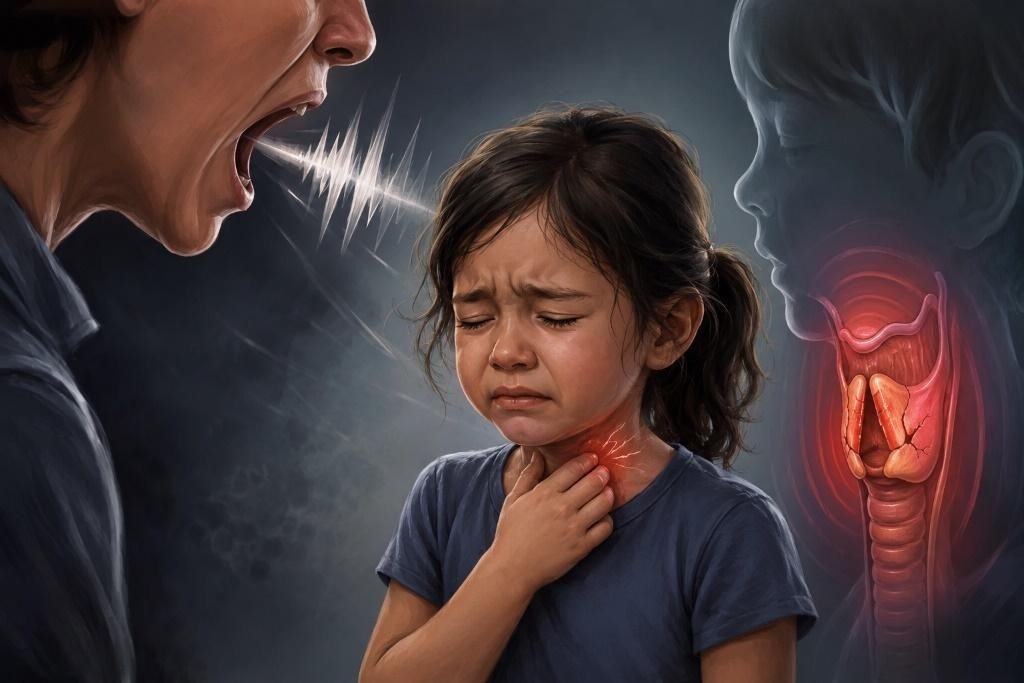
If your job depends on your voice, taking care of it should become part of your daily routine. Think of your voice like an athlete’s muscles—it performs best when treated well.
Simple habits can make a big difference:
- Drink plenty of water throughout the day.
- Avoid shouting across rooms.
- Use a microphone when speaking to large groups.
- Take short breaks between long conversations.
- Avoid whispering for long periods.
- Sleep well to allow your vocal cords to recover.
- Reduce caffeine if it makes your throat feel dry.
Small daily changes can help keep your voice healthy for years.
Vocal Abuse and Its Effects
Many people don’t realize they are harming their voices.
Imagine a child who spends hours shouting while playing every day. Or a coach who constantly raises their voice during practice. These habits may seem harmless, but over time they can injure the vocal cords.
Common examples of vocal abuse include:
- Yelling frequently
- Screaming
- Speaking loudly over background noise
- Constant throat clearing
- Talking for long periods without rest
- Singing with poor technique
Ignoring these habits may lead to:
- Persistent hoarseness
- Voice fatigue
- Pain while speaking
- Vocal nodules
- Vocal polyps
Children’s Voice Problems: Signs Every Parent Should Know

Parents often notice changes in their child’s voice but assume they will disappear with time.
Sometimes they do—but not always.
Children who frequently shout, scream, or speak loudly may develop voice problems.
Watch for signs such as:
- Hoarseness lasting more than two weeks
- A rough or breathy voice
- Difficulty speaking loudly
- Frequent throat clearing
- Complaints of throat discomfort
Signs That You Need a Voice Evaluation
Your body often gives you clues when something isn’t right.
You should arrange a voice evaluation if you experience:
- Hoarseness lasting longer than two weeks
- Losing your voice frequently
- Pain while talking
- A weak or breathy voice
- Difficulty projecting your voice
- Voice fatigue after short conversations
- Trouble swallowing along with voice changes
Why Hydration Is Essential for a Healthy Voice

One of the simplest ways to protect your voice is by staying hydrated.
Think of your vocal cords as two soft cushions that gently vibrate every time you speak. They work best when they stay moist.
Here are some easy ways to keep them healthy:
- Drink enough water every day.
- Eat fruits like watermelon, oranges, and cucumber.
- Use a humidifier if the air in your home is dry.
- Avoid smoking.
- Limit drinks that leave your throat feeling dry.
Good hydration allows your vocal cords to move smoothly and reduces irritation.
Preventing Voice Problems
The best treatment is prevention. Healthy voice habits can reduce your risk of developing voice disorders.
Try to:
- Stay hydrated.
- Rest your voice after heavy use.
- Avoid shouting whenever possible.
- Treat allergies and acid reflux promptly.
- Warm up your voice before singing or public speaking.
- Maintain good posture while speaking.
- Take regular voice breaks throughout the day.
Understanding Vocal Nodules
Vocal nodules are small, callus-like growths that develop after repeated vocal strain. You can think of them like the calluses that form on your hands after repeated friction.
They are especially common in:
- Teachers
- Singers
- Coaches
- Public speakers
- Children who frequently shout
Typical symptoms include:
- A rough or hoarse voice
- Voice fatigue
- Difficulty speaking loudly
- Reduced singing range
- Feeling like your voice “gives out”
How Speech Therapy Helps Restore a Healthy Voice
Many people think speech therapy is only for children who have speech delays. In reality, it also plays a vital role in treating voice disorders.
A speech-language pathologist helps you learn how to use your voice safely and efficiently.
Voice therapy may include:
- Gentle vocal exercises
- Breathing techniques
- Relaxation exercises
- Posture correction
- Healthy voice habits
- Techniques to reduce strain while speaking
Final Thoughts
Your voice is more than just sound—it helps you connect with family, friends, colleagues, and the world around you. If you or your child experiences persistent hoarseness, voice fatigue, or discomfort while speaking, don’t ignore it. Early evaluation and treatment can make a significant difference.
Remember, most voice problems are treatable, especially when addressed early. By staying hydrated, avoiding harmful voice habits, and seeking professional help, you can protect your voice for years to come.
At aaziban Care Center, our experienced speech-language pathologists provide personalized voice assessment and therapy for both children and adults. Through evidence-based treatment and compassionate care, we help individuals improve their voice quality, communicate with confidence, and achieve better long-term vocal health.
1. What are the most common causes of voice problems?
Voice problems can result from overusing your voice, throat infections, acid reflux, allergies, smoking, stress, or repeated vocal strain. Persistent hoarseness should be evaluated by a healthcare professional.
2. When should I see a doctor for a hoarse voice?
If your hoarseness lasts longer than two weeks, keeps coming back, is painful, or is accompanied by difficulty speaking or swallowing, you should seek medical evaluation.
3. Can speech therapy help treat voice problems?
Yes. Speech therapy is an effective treatment for many voice disorders. A speech-language pathologist can teach vocal exercises, breathing techniques, and healthy voice habits to reduce strain and improve voice quality.
4. How can I prevent voice problems?
You can help protect your voice by staying hydrated, avoiding shouting or excessive throat clearing, taking regular voice breaks, managing acid reflux and allergies, getting enough rest, and using proper vocal techniques when speaking or singing.
Need Personalized Guidance for Speech Therapy?
Our senior certified therapists at Aaziban Care Center provide customized 1-on-1 evaluation and treatment plans at our care centers.