



















foot

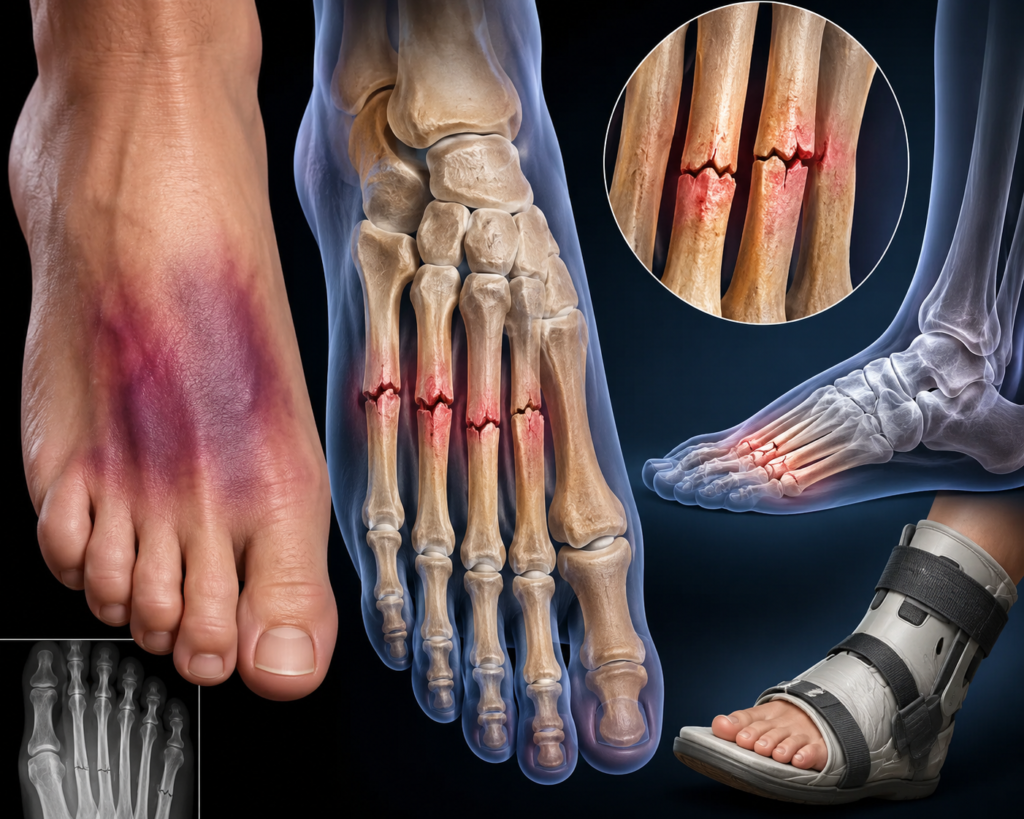
Foot Pain and Metatarsal Fractures: What You Need to Know
6fa226afef342d2e80eeae92be971126

 Introduction Fracture of the Metatarsal refers to a break in one or more of the five long bones of the foot located between the tarsal bones and toes. Metatarsal fractures are common foot injuries seen in athletes, dancers, and individuals exposed to trauma. If untreated, they can significantly impair walking and weight-bearing activities. Etiology Metatarsal …

Foot Pain and Metatarsal Fractures: What You Need to Know Read More »

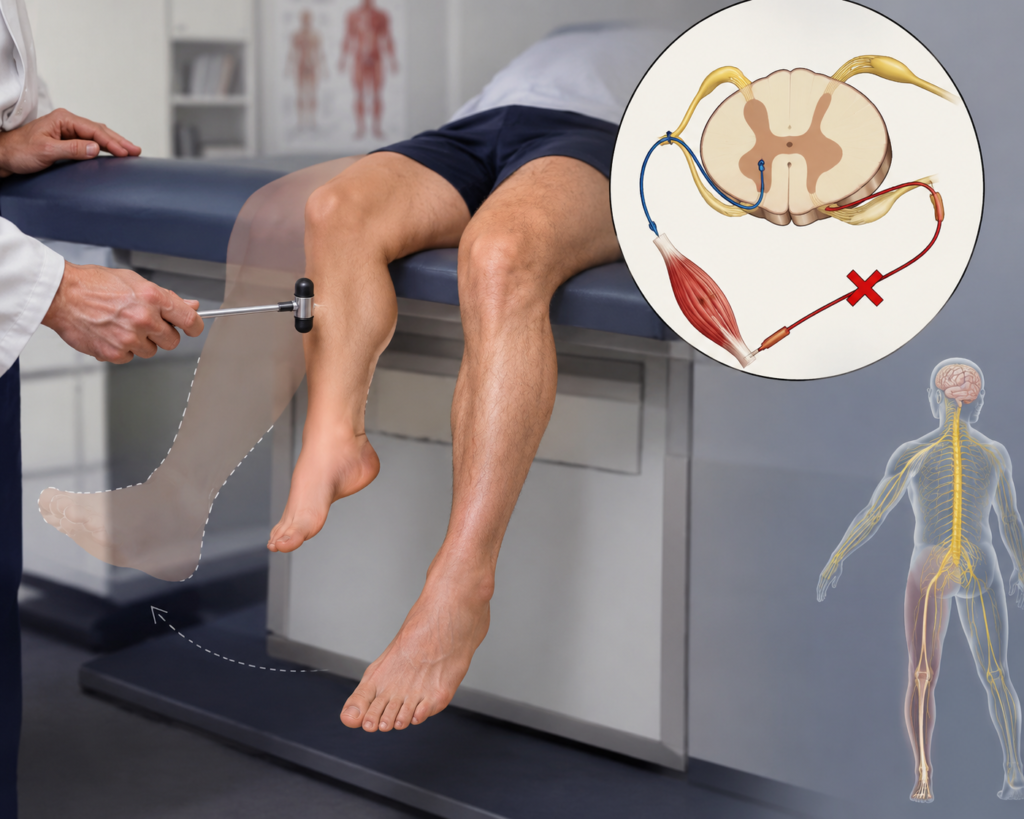
The Paralysed Foot: Clinical Features and Comprehensive Rehabilitation Guide

The Paralysed Foot

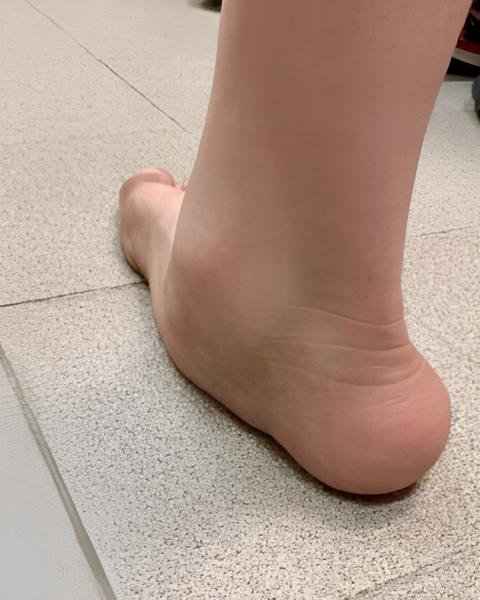
Introduction The Paralysed Foot is a disabling condition where weakness or loss of movement affects the foot and ankle. This leads to difficulty walking, impaired balance, and long-term deformities if untreated. Early diagnosis and physiotherapy play a crucial role in restoring function and preventing complications. ​ Definition The paralysed foot refers to the partial or …

The Paralysed Foot: Clinical Features and Comprehensive Rehabilitation Guide Read More »

Charcot Knee

CHARCOT KNEE

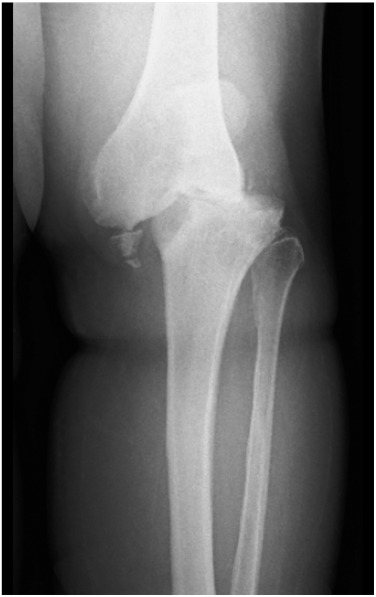
Introduction:  Charcot Knee  is the chronic, progressive, non-infectious destruction of bone and joints, in patients with peripheral neuropathy, as first described by William Musgrave in 1703 . Charcot neuroarthropathy of the knee (CK) is a rare and under-researched area, resulting in considerable morbidity. However, it is a common foot and ankle related pathology, especially in …

Charcot Knee Read More »

Pes Planus

admin ajax (6) (1)

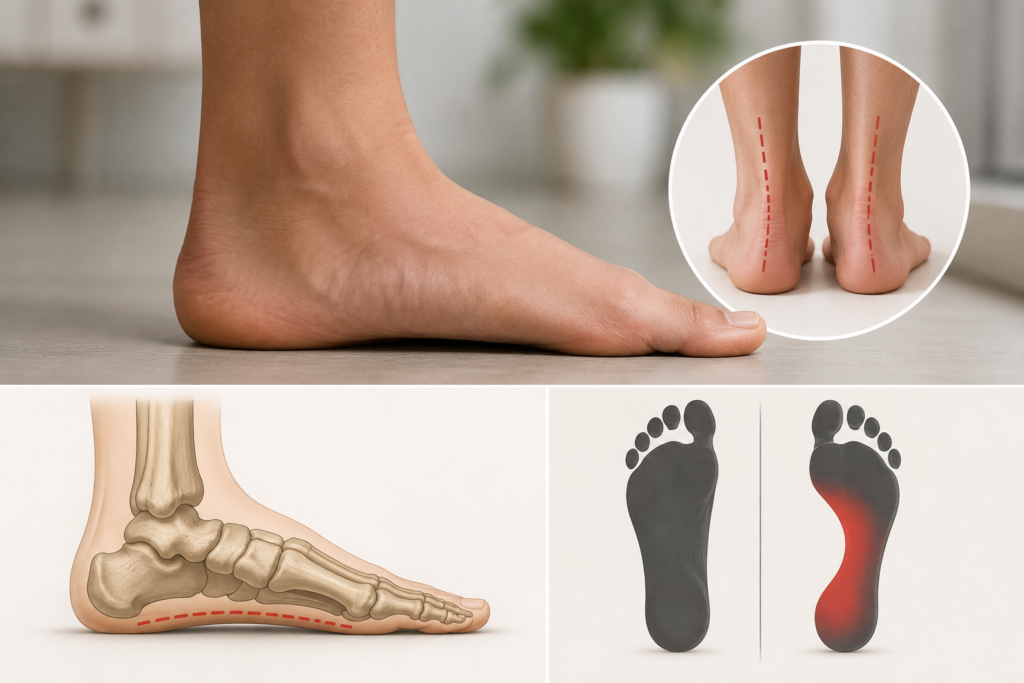
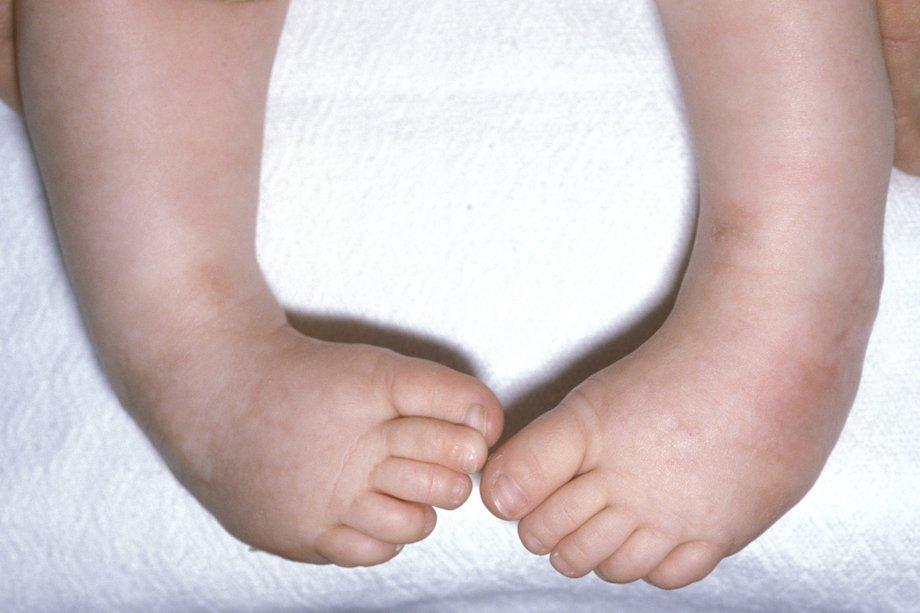
Introduction Pes Planus is a foot deformity opposite to pes cavus. Here, the medial longitudinal arch of the foot is dropped downward; thereby, there is a loss of the spring action causing excessive stress over the whole foot during every step. Definition  Pes planus is the loss of the medial longitudinal arch of the foot, causing …

Pes Planus Read More »

Pes Cavus

admin ajax (5) (1)

Introduction  Pes cavus, commonly known as high arches. These deformities of the ankle and foot present in various degrees, from mild to severe. Mild deformities are easily stretchable needing rigid immobilization in a corrected position. Severe ones are rigid. Many a times, these deformities are present in combination. In about 50% of the cases, they …

Pes Cavus Read More »

Spring Ligament Injuries

admin ajax (4) (1)

Introduction It extends from the sustentaculum tali of the calcaneus to the plantar surface of the navicular bone. The ligaments are so arranged that they facilitate certain movements while at the same time check excessive and harmful joint movements. Spring ligament complex injuries or calcaneonavicular ligament injuries refer to stretching sprains, tears, or ruptures of …

Spring Ligament Injuries Read More »

Plantar Fasciitis

plantar fasciitis

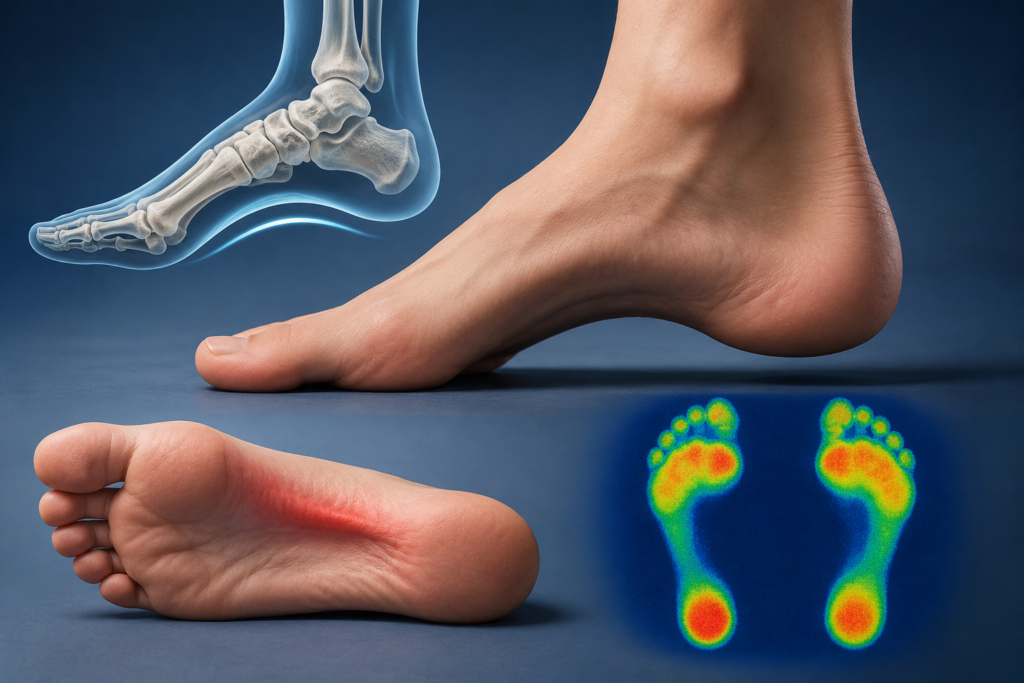
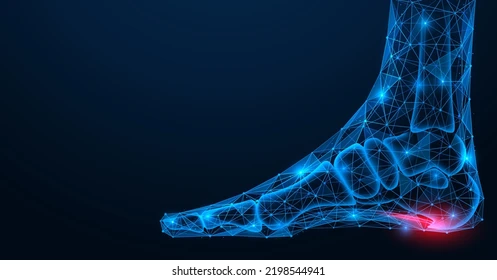
Plantar fasciitis typically develops when the thick band of tissue (the plantar fascia) that runs across the bottom of your foot becomes inflamed or irritated. Causes The exact cause of plantar fasciitis isn’t always clear, several factors can contribute to its development, including: Sign and symptoms of plantar fasciitis The signs and symptoms of plantar …

Plantar Fasciitis Read More »

Super Foods for Alleviating Gout

admin ajax (18) (1)

If you have elevated uric acid level, a diet rich in fruits, vegetables, whole grains can help you manage uric acid and improve your overall health.