
















injuries

Anterior Cruciate Ligament Injury

Anterior Cruciate Ligament Injury

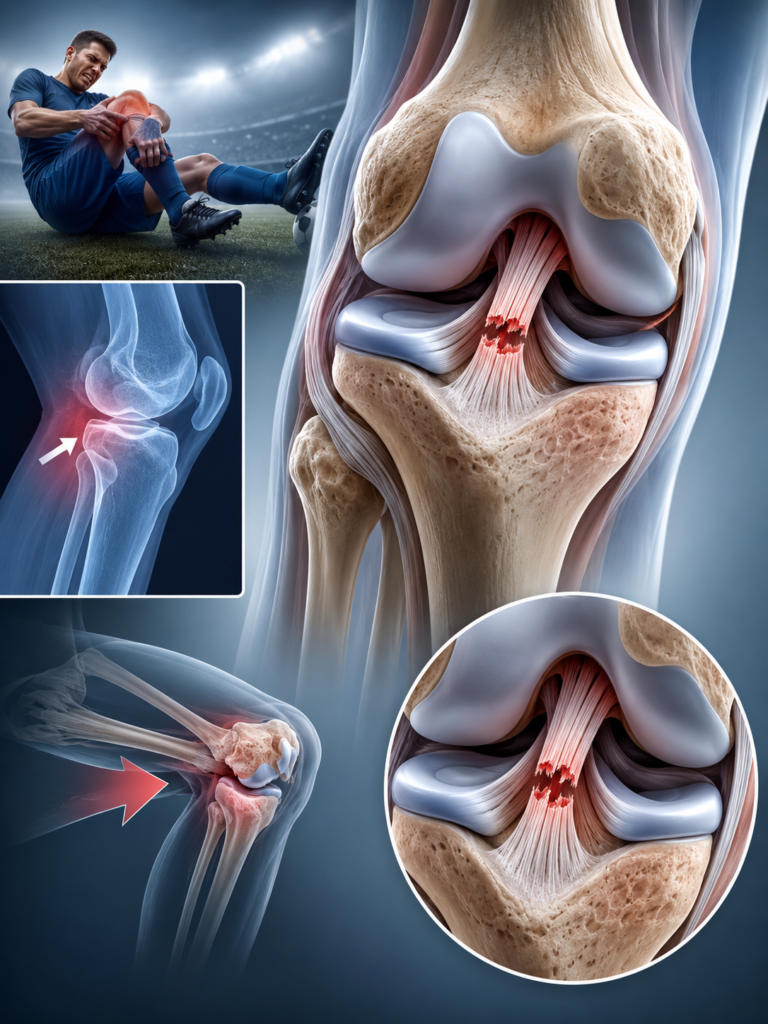
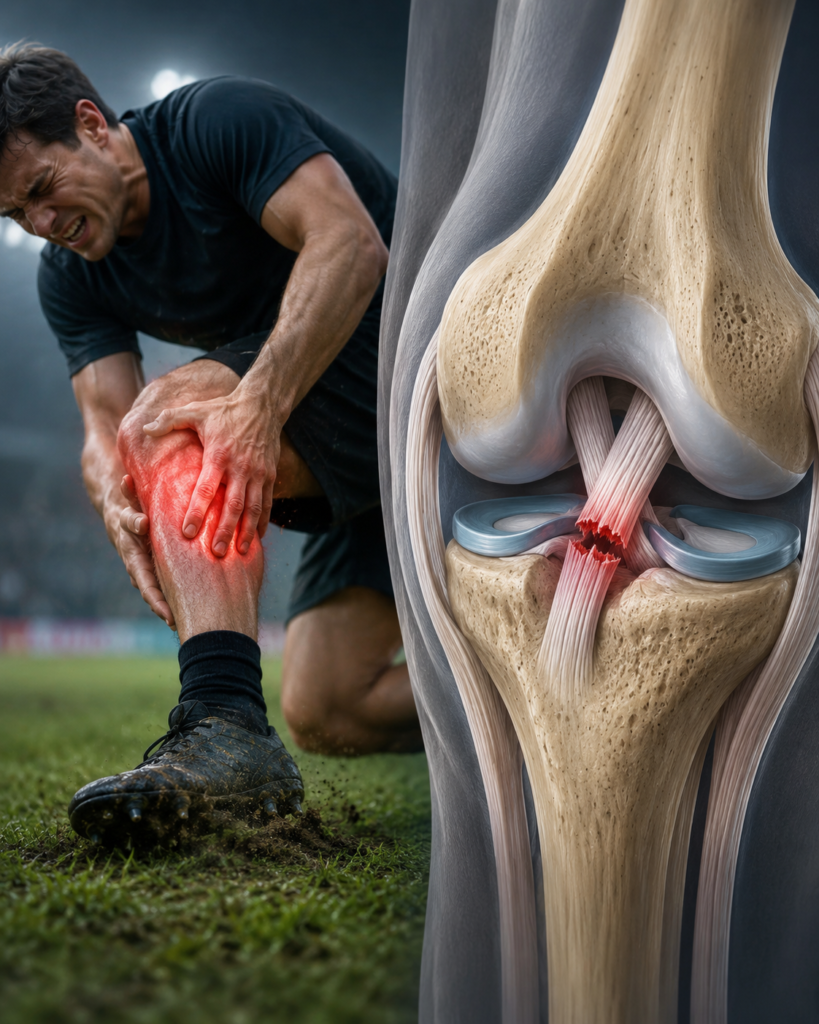
Introduction:  Anterior Cruciate Ligament Injury commonly results from a fall from height with the knee in flexion and the body rotating on the stationary foot. This results in abnormal internal rotation of it tibia. Similarly, hyper flexion or hyperextension with internal rotation of the tibia can also produce it.  Mechanism of injury: Anterior Cruciate Ligament …

Anterior Cruciate Ligament Injury Read More »

Meniscal Injuries

Meniscal Injuries

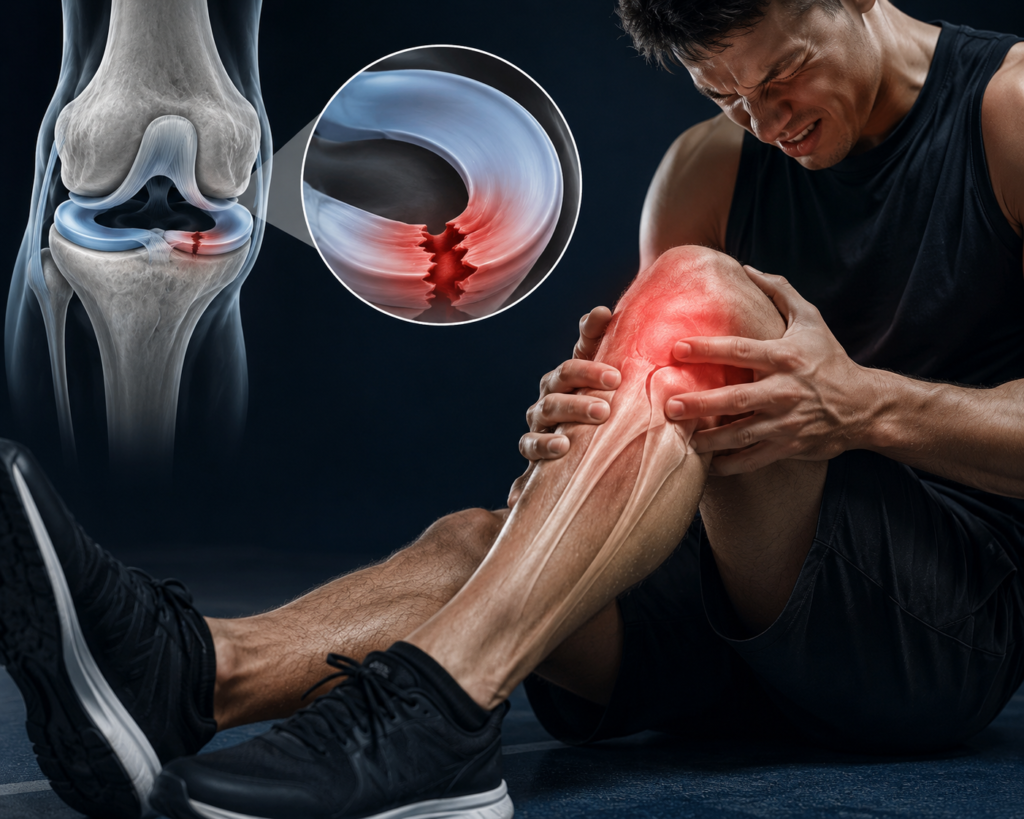
Introduction: Meniscal injuries are among the most common knee problems, affecting individuals of all ages and activity levels. These crucial structures play a important role in knee function and understanding their injuries is key to effective management and recovery. Etiology: Meniscal tear can be broadly categorized by their cause: Mechanism of Injury: Signs & Symptoms: …

Meniscal Injuries Read More »

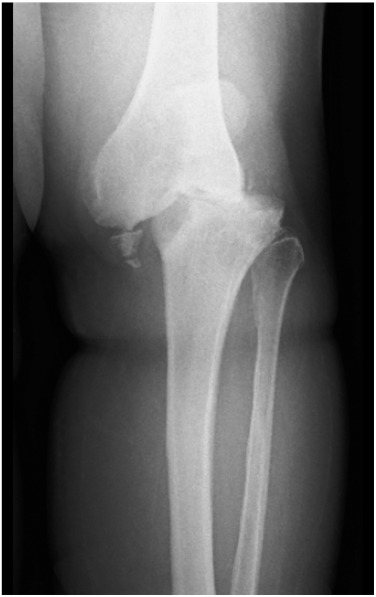
Charcot Knee

CHARCOT KNEE

Introduction:  Charcot Knee  is the chronic, progressive, non-infectious destruction of bone and joints, in patients with peripheral neuropathy, as first described by William Musgrave in 1703 . Charcot neuroarthropathy of the knee (CK) is a rare and under-researched area, resulting in considerable morbidity. However, it is a common foot and ankle related pathology, especially in …

Charcot Knee Read More »

Spring Ligament Injuries

admin ajax (4) (1)

Introduction It extends from the sustentaculum tali of the calcaneus to the plantar surface of the navicular bone. The ligaments are so arranged that they facilitate certain movements while at the same time check excessive and harmful joint movements. Spring ligament complex injuries or calcaneonavicular ligament injuries refer to stretching sprains, tears, or ruptures of …

Spring Ligament Injuries Read More »

Disability

Disability

What is Disability ? Disability is a broad term that refers to physical, mental, intellectual, or sensory impairments that may limit a person’s ability to perform certain activities. Disabilities can be congenital (present from birth) or acquired due to injury, illness, or aging. While disabilities present challenges, they do not define a person’s potential, capabilities, …

Disability Read More »