
















Hydrocephalus

Third Ventriculostomy: A Modern Approach to Hydrocephalus Management

Third ventriculostomy

Introduction Third ventriculostomy is a neurosurgical procedure primarily used to treat hydrocephalus, a condition characterized by abnormal accumulation of cerebrospinal fluid (CSF) in the brain. It is a minimally invasive technique that can restore normal CSF flow and reduce intracranial pressure. Definition Third ventriculostomy, specifically Endoscopic Third Ventriculostomy (ETV), is a surgical procedure in which …

Third Ventriculostomy: A Modern Approach to Hydrocephalus Management Read More »

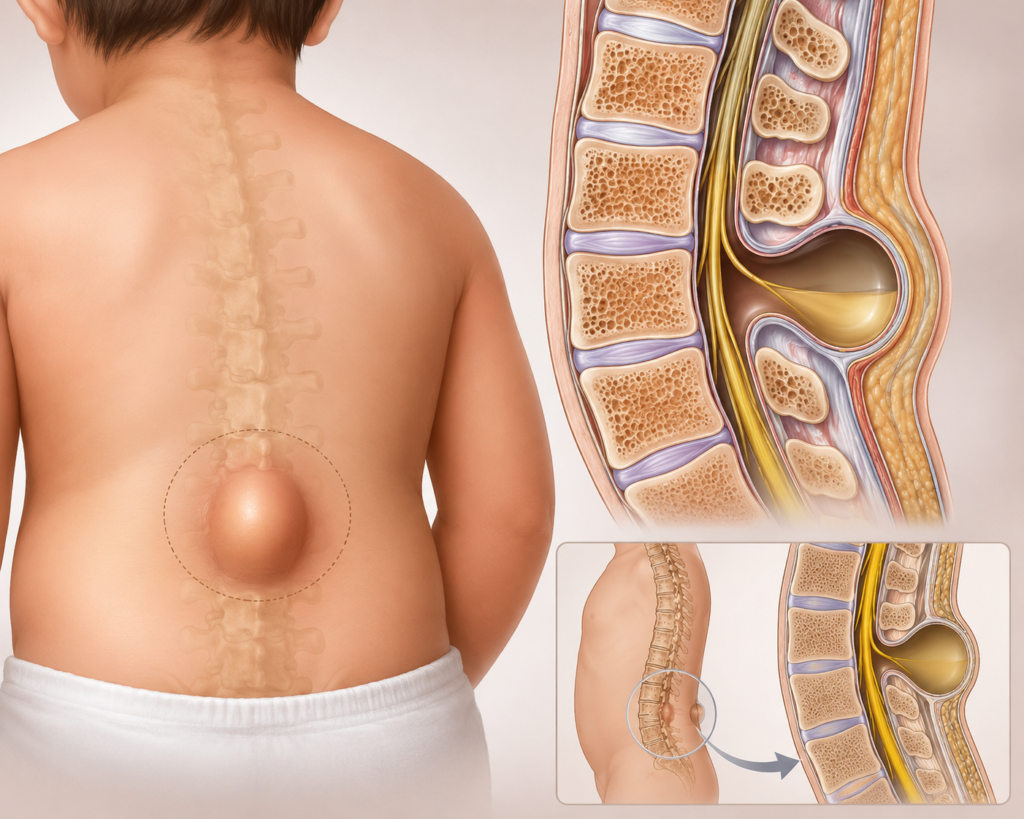
Myelomeningocele Explained: A Guide for Clinicians and Caregivers

Myelomeningocele

Introduction Myelomeningocele is the most severe and common form of spina bifida, a congenital neural tube defect affecting the spine and central nervous system. It remarkably impacts motor, sensory, and functional capability, requiring lifelong multidisciplinary care. Definition Myelomeningocele is a condition in which both the spinal cord and meninges protrude through a defect in the …

Myelomeningocele Explained: A Guide for Clinicians and Caregivers Read More »

A Complete Guide to Meningocele Care and Rehabilitation

Meningocele

Introduction Meningocele is a type of neural tube defect that affects the spine and surrounding structures. It is a congenital condition present at birth and requires early diagnosis and management to prevent difficulty and upgrade quality of life. Definition Meningocele is a form of spina bifida in which the meninges (protective coverings of the spinal …

A Complete Guide to Meningocele Care and Rehabilitation Read More »

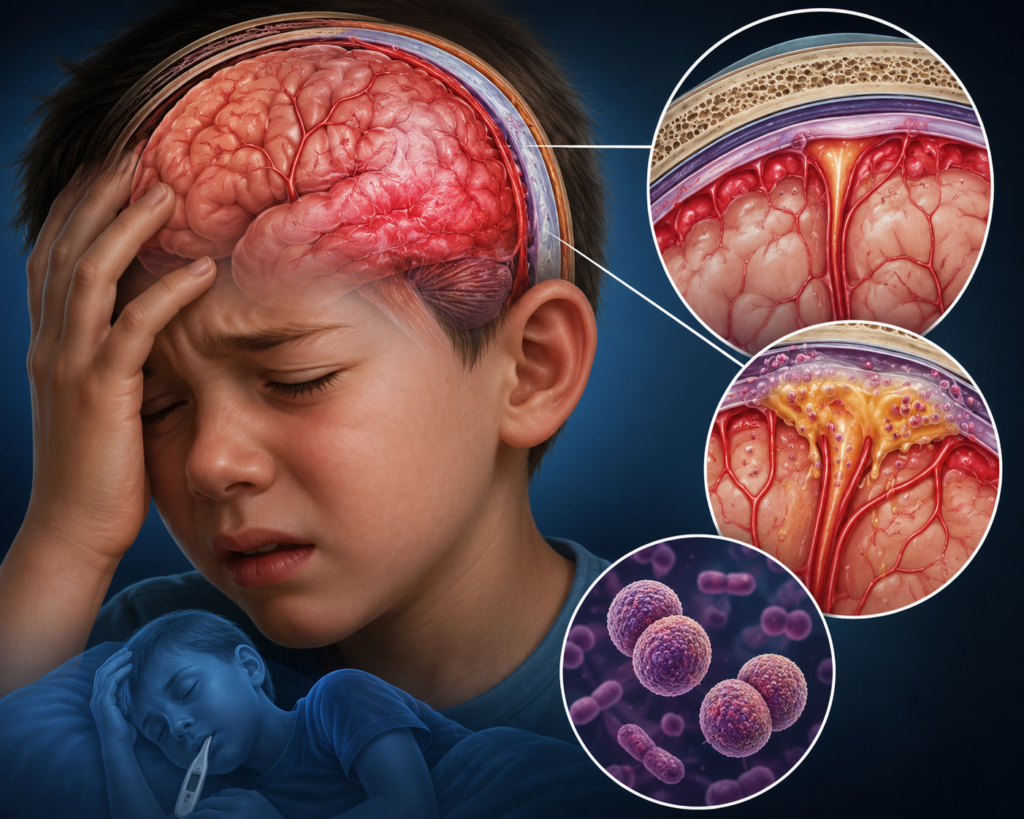
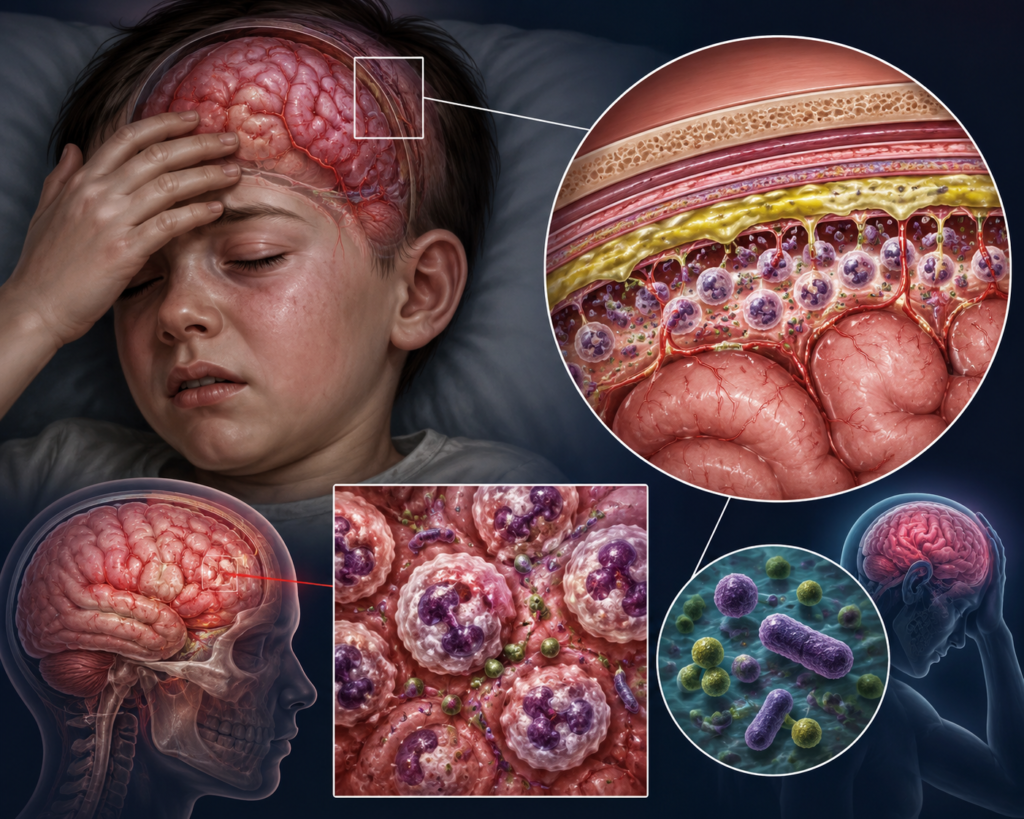
Bacterial Meningitis: Clinical Features and Rehabilitation Approach

Bacterial Meningitis

Introduction Bacterial meningitis is a serious and potentially life-threatening infection of the central nervous system. It requires urgent medical intervention, as delayed treatment can lead to severe complications, long-term disability, or death. Definition Bacterial meningitis is an acute inflammation of the meninges caused by bacterial pathogens, resulting in increased intracranial pressure, neurological dysfunction, and systemic …

Bacterial Meningitis: Clinical Features and Rehabilitation Approach Read More »

Fungal Meningitis: A Rare but Serious Neurological Infection

4a31ebecc8161959e1d53485c8a3f242

Introduction Fungal meningitis is a rare but serious infection of the central nervous system caused by fungal organisms. It is more commonly seen in individuals with weakened immune systems and requires prompt medical intervention. Definition Fungal meningitis is defined as inflammation of the meninges (protective coverings of the brain and spinal cord) caused by fungal …

Fungal Meningitis: A Rare but Serious Neurological Infection Read More »

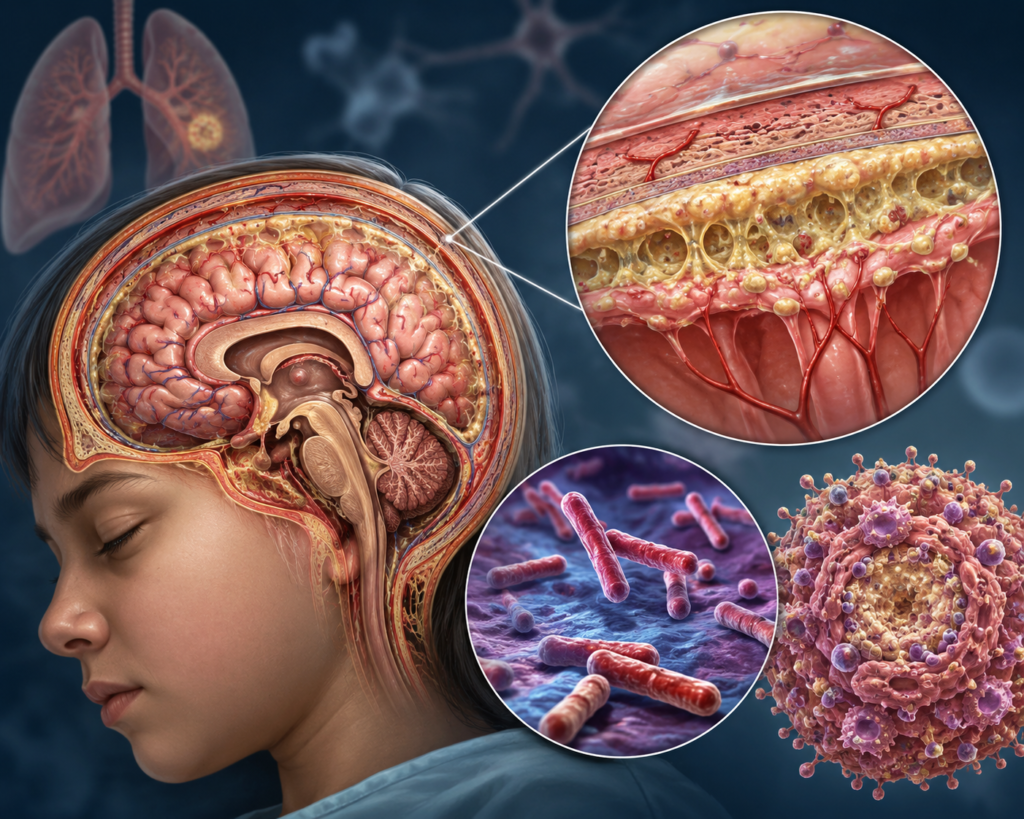
Tuberculous Meningitis: Clinical Features and Rehabilitation Approach

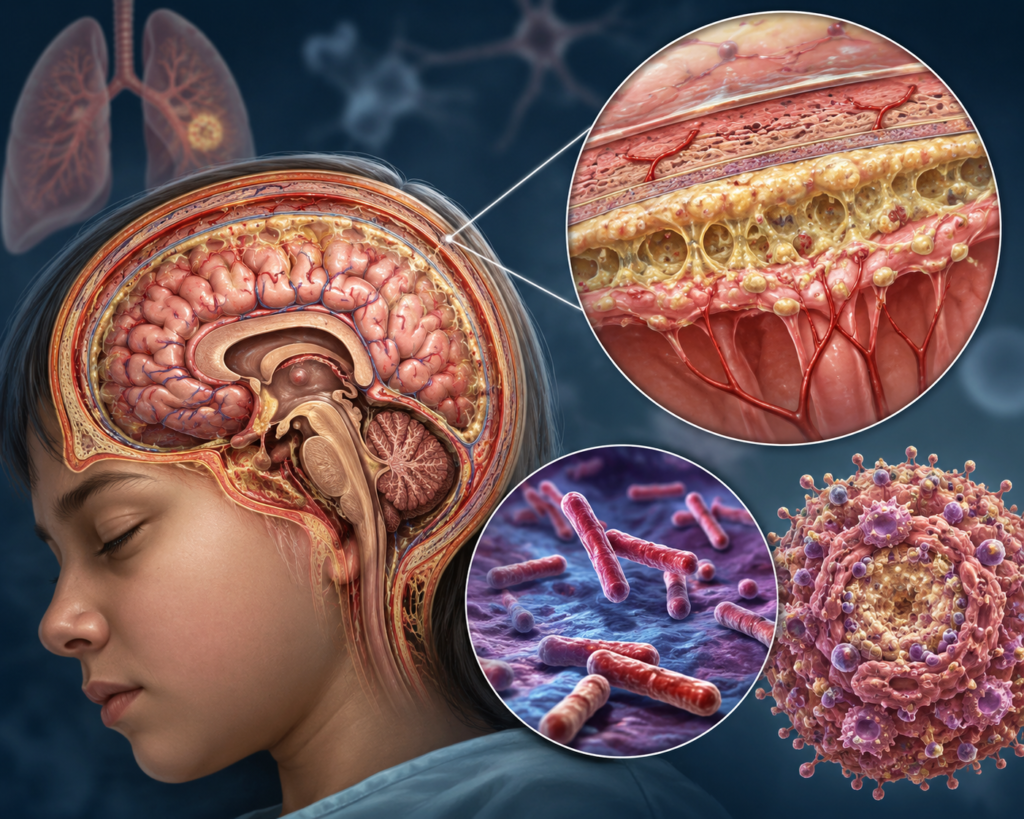
Tuberculous Meningitis

Introduction Tuberculous Meningitis (TBM) is the most severe form of extrapulmonary tuberculosis, caused by Mycobacterium tuberculosis. It primarily affects the meninges of the brain and spinal cord and is associated with high morbidity and mortality if not treated early. Definition Tuberculous Meningitis is a chronic infectious condition characterized by inflammation of the meninges due to …

Tuberculous Meningitis: Clinical Features and Rehabilitation Approach Read More »

Pyogenic Meningitis: Clinical Features and Rehabilitation Approach

Pyogenic meningitis

Introduction Pyogenic meningitis is a life-threatening infection of the meninges caused by pus-forming (bacterial) organisms. It is a medical emergency that requires prompt diagnosis and treatment to prevent severe neurological damage and mortality. Definition Pyogenic meningitis is defined as an acute bacterial infection of the meninges, leading to inflammation, accumulation of purulent exudate, and increased …

Pyogenic Meningitis: Clinical Features and Rehabilitation Approach Read More »

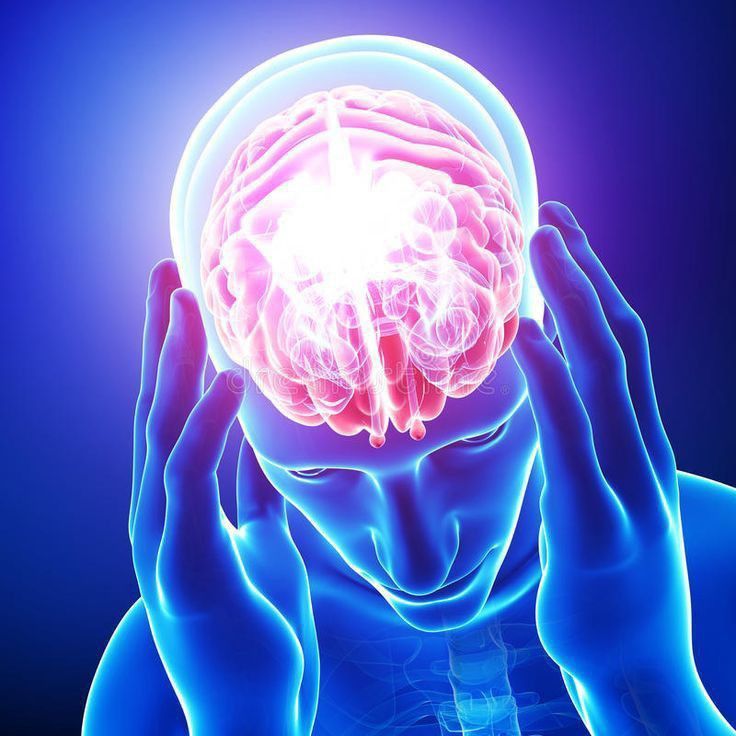
Hydrocephalus: Understanding Causes, Symptoms, and Rehabilitation

Hydrocephalus

Introduction Hydrocephalus is a neurological condition characterized by abnormal accumulation of cerebrospinal fluid (CSF) within the brain ventricles. This excessive fluid buildup increases intracranial pressure and can impair brain development and function. Early diagnosis, medical management, and physiotherapy play avital role in improving functional outcomes and quality of life. Definition Hydrocephalus is defined as a …

Hydrocephalus: Understanding Causes, Symptoms, and Rehabilitation Read More »

Spina Bifida in Children: Early Intervention and Rehabilitation

chatgpt image may 6, 2026, 06 05 52 pm

Introduction Spina Bifida is a birth defect that occurs when the spine and spinal cord don’t form properly. It falls under the umbrella of neural tube defects (NTDs), which are conditions affecting the brain, spinal cord or spine. Definition Spina bifida, a neural tube defect, is the result of the defective fusion of one or …

Spina Bifida in Children: Early Intervention and Rehabilitation Read More »